

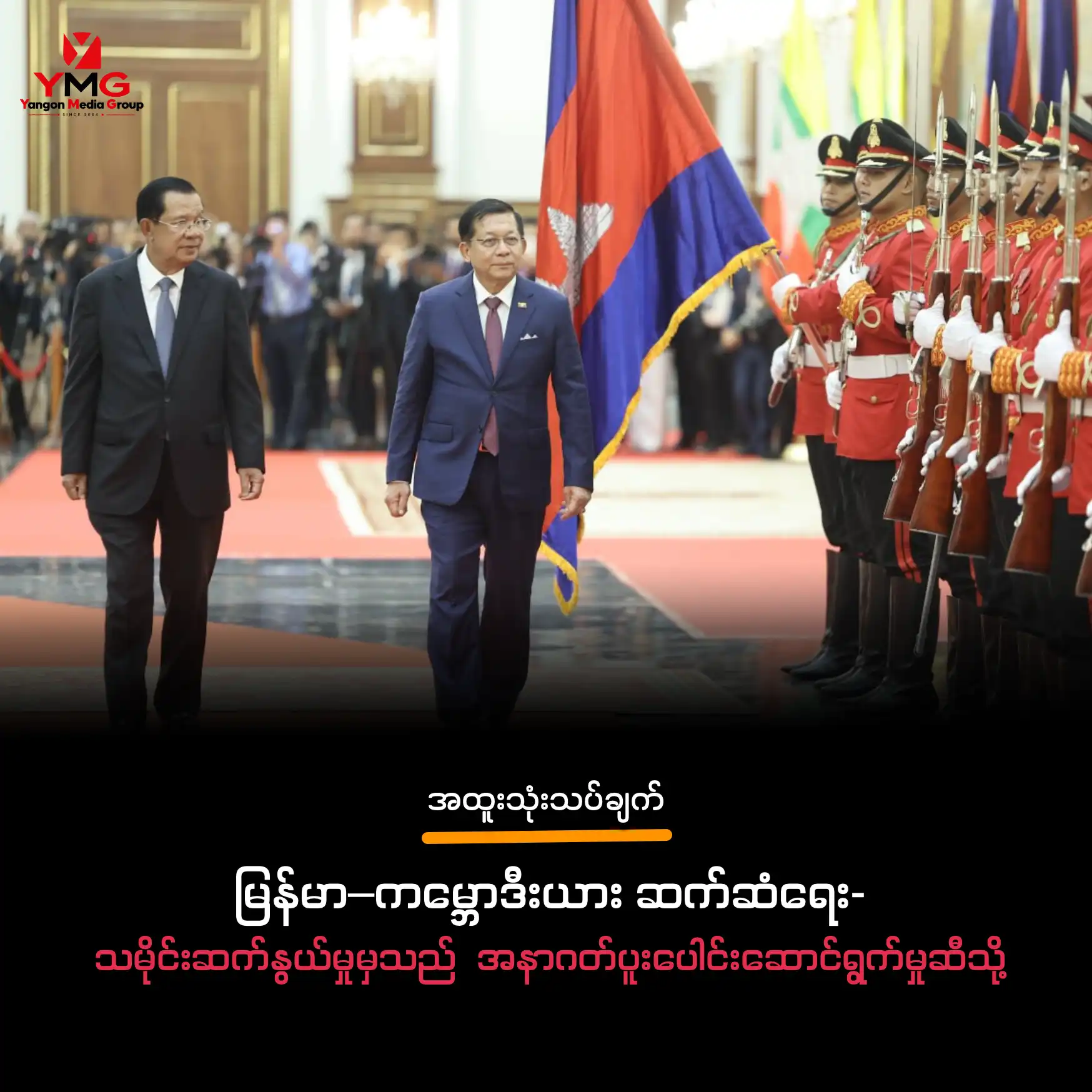
HANOI, November 28, 2026 — Myanmar President U Min Aung Hlaing met Cambodian Prime Minister Hun Manet in Hanoi on November 28, as the two leaders visited Vietnam for summits on economic cooperation in the Mekong subregion.
The meeting began at 9 a.m. local time. Myanmar Union ministers and senior officials accompanying the president attended, alongside officials from the Cambodian government.
The leaders are attending the 12th Cambodia–Laos–Myanmar–Vietnam (CLMV) Summit and the 11th Ayeyawady–Chao Phraya–Mekong Economic Cooperation Strategy (ACMECS) Summit, both scheduled for November 28. Vietnam, the current CLMV chair, is hosting the CLMV meeting and coordinating with Myanmar, which chairs ACMECS, to organise the other summit. en.nhandan.
Their meeting follows talks in Phnom Penh on September 11 during U Min Aung Hlaing’s two-day state visit to Cambodia. According to Cambodia’s state news agency, Agence Kampuchea Presse, those discussions covered trade, investment, tourism, security and efforts to combat transnational crime. The leaders also witnessed the signing of four cooperation documents covering taxation, investment protection, culture, and media and information.
Cambodia is expected to take over the rotating CLMV chairmanship from Vietnam at the Hanoi summit, according to Kampucheathmey Daily, reporting on a Cambodian Foreign Ministry announcement. Kampucheathmey Daily
Established in 2004, CLMV promotes economic cooperation and seeks to narrow development gaps among its four members. ACMECS, established in 2003, brings together those countries and Thailand, with cooperation spanning trade, investment, transport, agriculture, tourism and other development priorities.

HANOI, Nov. 27 — Myanmar President U Min Aung Hlaing arrived in Hanoi on Friday afternoon at the head of a senior government delegation to attend two Southeast Asian regional summits hosted in the Vietnamese capital.
A special aircraft carrying U Min Aung Hlaing touched down at Hanoi’s Noi Bai International Airport, where Vietnamese Deputy Foreign Minister Nguyen Thi Hoang Van led a formal reception alongside a military guard of honor lining the red carpet. Myanmar Ambassador to Vietnam U Wai Lwin, Military Attaché Brig. Gen. Zaw Min, and embassy staff were also on hand to greet the delegation.
The visit centers on Saturday’s 12th Cambodia–Laos–Myanmar–Vietnam (CLMV) Summit, hosted by Vietnam, and the 11th Ayeyawady–Chao Phraya–Mekong Economic Cooperation Strategy (ACMECS) Summit, which Myanmar will co-chair alongside Vietnam.
Established in 2004, the CLMV framework brings together Cambodia, Laos, Myanmar, and Vietnam to narrow the economic development gap within ASEAN, enhance regional competitiveness, and accelerate economic integration. Meanwhile, ACMECS—founded in 2003 and comprising those same four nations alongside Thailand—aims to bridge economic disparities and boost trade, transport connectivity, and sustainable development across the Ayeyawady, Chao Phraya, and Mekong river basins.
U Min Aung Hlaing is accompanied by four Union Ministers—U Khin Maung Yi, U Tin Maung Swe, U Kan Zaw, and U Min Naung—as well as several deputy ministers and senior officials.
Vietnamese aviation outlets reported that authorities at Noi Bai International Airport elevated aviation security protocols from Nov. 27 through Nov. 29 to manage the arrival and departure of state leaders attending the meetings.
#ymg/
၁။ မြန်မာ–မလေးရှား နှစ်နိုင်ငံဆက်ဆံရေး
၂။ မြန်မာနိုင်ငံ၏ အခြေအနေနှင့် အာဆီယံ၏ အခန်းကဏ္ဍ
၃။ ငလျင်အပြီး လူသားချင်းစာနာထောက်ထားမှုနှင့် အကြမ်းဖက်မှုလျှော့ချရေး
၄။ စီးပွားရေး၊ ကုန်သွယ်ရေးနှင့် ရင်းနှီးမြှုပ်နှံမှု
၅။ နှစ်နိုင်ငံ နိုင်ငံခြားရေးဝန်ကြီးများအကြား ပူးပေါင်းဆောင်ရွက်မှု
၆။ မလေးရှားရောက် မြန်မာနိုင်ငံသားများ နေရပ်ပြန်လည်ပို့ဆောင်ရေး
၇။ ခရီးစဉ်၏ အရေးပါမှုနှင့် အနာဂတ်ပူးပေါင်းဆောင်ရွက်ရေး
၁။ ခရီးစဉ်နှင့် နှစ်နိုင်ငံဆက်ဆံရေး
၂။ စီးပွားရေး၊ ကုန်သွယ်ရေးနှင့် ရင်းနှီးမြှုပ်နှံမှု
၃။ လေကြောင်း၊ ခရီးသွားလုပ်ငန်းနှင့် ပြည်သူအချင်းချင်း ဆက်ဆံရေး
၄။ မြန်မာရွှေ့ပြောင်းအလုပ်သမားများ၏ အခွင့်အရေးနှင့် အကာအကွယ်
၅။ မလေးရှားထိန်းသိမ်းရေးစခန်းများရှိ မြန်မာနိုင်ငံသားများ နေရပ်ပြန်လည်ခေါ်ဆောင်ရေး
၆။ မူးယစ်ဆေးဝါး၊ အွန်လိုင်းလိမ်လည်မှုနှင့် နယ်စပ်ဖြတ်ကျော်ရာဇဝတ်မှု တိုက်ဖျက်ရေး
၇။ လူဝင်မှုကြီးကြပ်ရေးနှင့် နေရပ်ပြန်လည်ပို့ဆောင်ရေး
၈။ အခြားပူးပေါင်းဆောင်ရွက်ရေးကဏ္ဍများ
၉။ ခရီးစဉ်၏ ရလဒ်နှင့် အနာဂတ်ဆက်ဆံရေး
-ကောင်းမြတ်ကျော်ရေးသည်
မြန်မာနှင့် ကမ္ဘောဒီးယားတို့သည် နယ်နိမိတ်ချင်း ထိစပ်နေသည့် နိုင်ငံများမဟုတ်ကြသော်လည်း ထေရဝါဒဗုဒ္ဓဘာသာ၊ ယဉ်ကျေးမှုနှင့် လူမှုဓလေ့ထုံးတမ်းဆိုင်ရာ တူညီမှုများကြောင့် ရှည်လျားသည့် သမိုင်းဆက်နွယ်မှုရှိလာခဲ့ကြသည်။ ခေတ်အဆက်ဆက် နှစ်နိုင်ငံခေါင်းဆောင်များအကြား ဆက်ဆံ ရေးနှင့် ဒေသတွင်းပူးပေါင်းဆောင်ရွက်မှုများကလည်း ယင်းဆက်ဆံရေးကို ဆက်လက်ထိန်းသိမ်း ပေးခဲ့သည်။
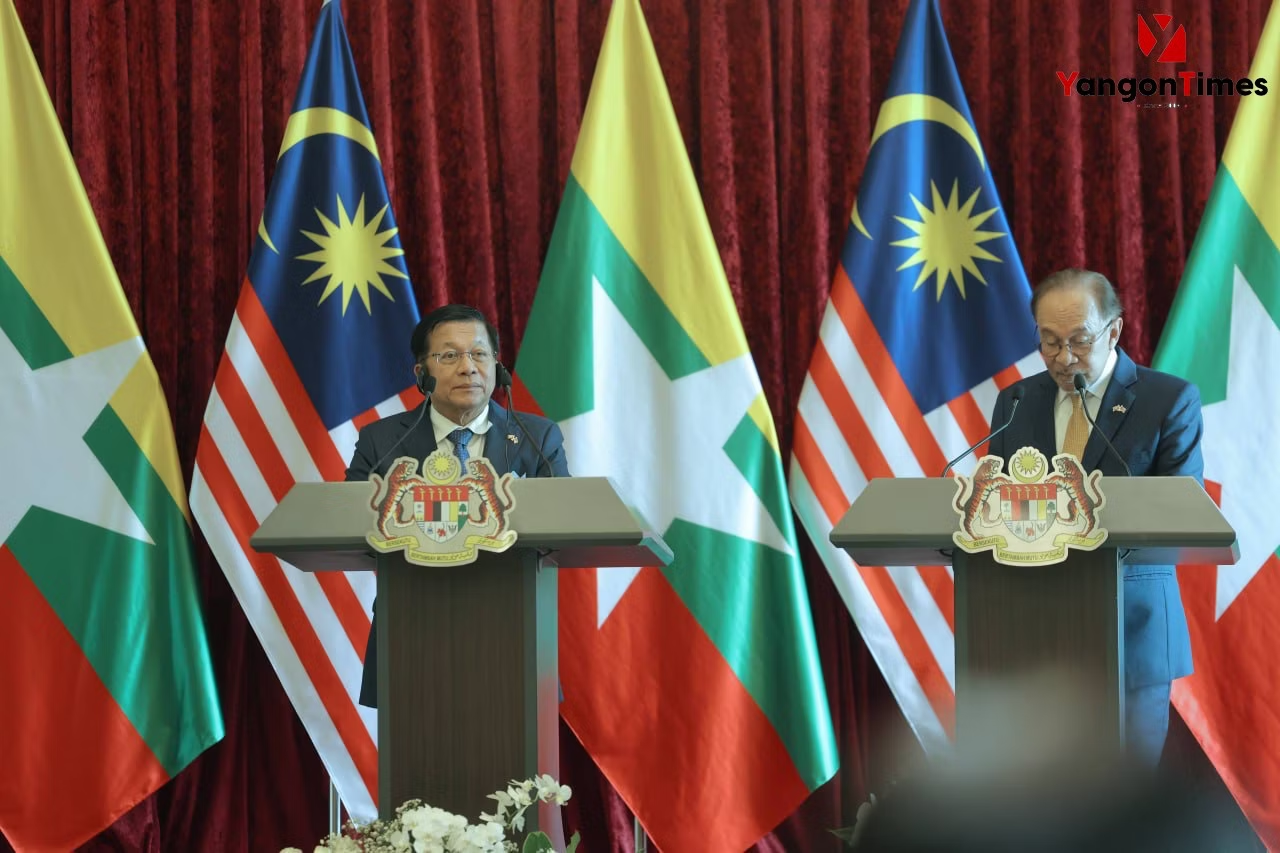
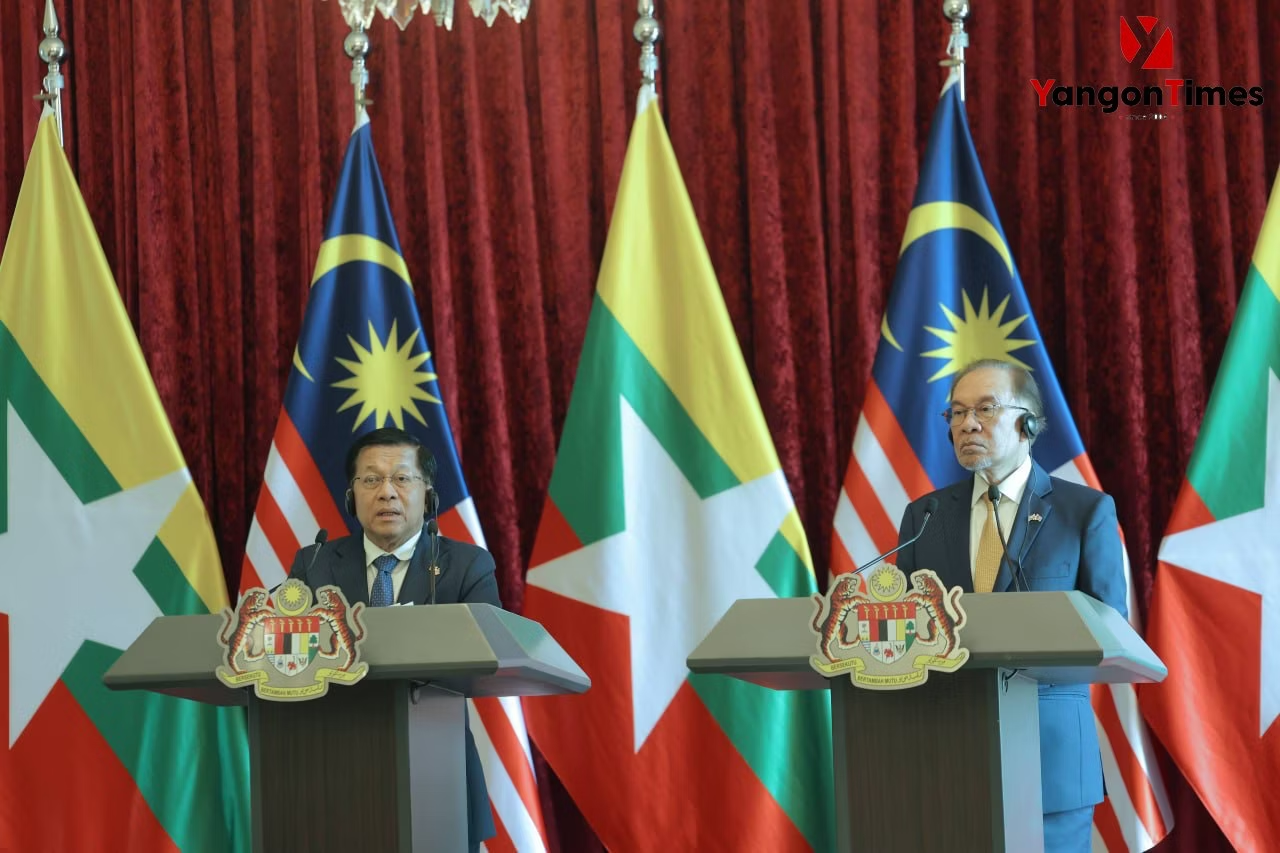
ယင်းနောက်ခံအခြေအနေအောက်တွင် နိုင်ငံတော်သမ္မတ ဦးမင်းအောင်လှိုင်၏ ၂၀၂၆ ခုနှစ် စက်တင်ဘာ ၁၁ ရက်မှ ၁၂ ရက်အထိ ကမ္ဘောဒီးယားနိုင်ငံသို့ နိုင်ငံတော်အဆင့် ချစ်ကြည်ရေးခရီးစဉ်သည် နှစ်နိုင်ငံဆက်ဆံရေးအတွက် အရေးပါသည့် တိုးတက်မှုတစ်ရပ်ဖြစ်လာသည်။ ခရီးစဉ်အတွင်း သမ္မတ ဦးမင်းအောင်လှိုင်သည် ကမ္ဘောဒီးယား ယာယီနိုင်ငံတော်အကြီးအကဲနှင့် အထက်လွှတ်တော်ဥက္ကဋ္ဌ ဟွန်ဆင်၊ ဝန်ကြီးချုပ် ဟွန်မာနက်နှင့် အမျိုးသားလွှတ်တော်ဥက္ကဋ္ဌ Khuon Sudary တို့နှင့် တွေ့ဆုံ ဆွေးနွေးခဲ့သည်။
ကမ္ဘောဒီးယားဝန်ကြီးချုပ် ဟွန်မာနက်က သမ္မတ ဦးမင်းအောင်လှိုင်၏ ခရီးစဉ်သည် “နှစ်နိုင်ငံအကြား ကာလရှည်ကြာတည်ရှိလာခဲ့သည့် ချစ်ကြည်ရေး၊ ဆက်ဆံရေးနှင့် ပူးပေါင်းဆောင်ရွက်မှုတို့ ဆက်လက် ခိုင်မာလာနေမှုကို ထင်ဟပ်စေသည်” ဟု တွေ့ဆုံစဉ် ပြောကြားခဲ့သည်။ သမ္မတ ဦးမင်းအောင်လှိုင်က လည်း ကမ္ဘောဒီးယားတော်ဝင်အစိုးရ၊ ပြည်သူများနှင့် ဝန်ကြီးချုပ်တို့၏ နွေးထွေးရင်းနှီးစွာ ကြိုဆို ဧည့်ခံမှုအတွက် အထူးကျေးဇူးတင်ကြောင်း ပြန်လည်ပြောကြားခဲ့သည်။
ယာယီနိုင်ငံတော်အကြီးအကဲ ဟွန်ဆင်နှင့် တွေ့ဆုံရာတွင်လည်း နှစ်နိုင်ငံသံတမန်ဆက်ဆံရေး ထူထောင်ခဲ့သည့် ၁၉၅၅ ခုနှစ်မှစ၍ ဆက်ဆံရေးသည် ရင်းနှီးချစ်ကြည်စွာ ဆက်လက် တည်ရှိလာခဲ့ကြောင်း နှစ်ဖက်အသိအမှတ်ပြုခဲ့ကြသည်။ ဟွန်ဆင်က ယခုခရီးစဉ်သည် နှစ်နိုင်ငံ ဆက်ဆံရေး ပိုမိုခိုင်မာလာစေရန် “အရေးပါသည့် အထောက်အကူတစ်ရပ်” ဖြစ်ကြောင်း ပြောကြား ခဲ့သည်။ သမ္မတ ဦးမင်းအောင်လှိုင်ကလည်း ၂၀၁၇ ခုနှစ်က မိမိလာရောက်ခဲ့ချိန်နှင့် နှိုင်းယှဉ်၍ ကမ္ဘောဒီးယားနိုင်ငံ၏ ဖွံ့ဖြိုးတိုးတက်မှုများကို ချီးကျူးပြောကြားခဲ့သည်။
နှစ်နိုင်ငံဆက်ဆံရေး၏ လက်ရှိအရေးပါဆုံး ကဏ္ဍတစ်ခုမှာ စီးပွားရေးဖြစ်သည်။ ခရီးစဉ်အတွင်း အခွန်နှစ်ထပ်ကျသင့်မှု ရှောင်ရှားရေး၊ ရင်းနှီးမြှုပ်နှံမှု အပြန်အလှန်မြှင့်တင်ကာကွယ်ရေး၊ ယဉ်ကျေးမှု ပူးပေါင်းဆောင်ရွက်ရေးနှင့် မီဒီယာ၊ ပြန်ကြားရေး ပူးပေါင်းဆောင်ရွက်ရေးတို့နှင့် သက်ဆိုင်သည့် သဘောတူစာချုပ်နှင့် နားလည်မှုစာချွန်လွှာ လေးရပ်ကို လက်မှတ်ရေးထိုးခဲ့ကြသည်။
ယင်းသဘောတူညီချက်များအနက် ရင်းနှီးမြှုပ်နှံမှုကာကွယ်ရေးနှင့် အခွန်နှစ်ထပ်ကျသင့်မှု ရှောင်ရှားရေး တို့သည် နှစ်နိုင်ငံစီးပွားရေးဆက်ဆံမှု တိုးချဲ့ရေးအတွက် အထူးအရေးပါသည်။ ကုန်သွယ်ရေး၊ MSME လုပ်ငန်းများ၊ စိုက်ပျိုးရေးနှင့် မွေးမြူရေး၊ ခရီးသွားလုပ်ငန်း၊ ပညာရေးနှင့် လူသားအရင်းအမြစ် ဖွံ့ဖြိုးရေးတို့တွင်လည်း ပူးပေါင်းဆောင်ရွက်မှု တိုးချဲ့ရန် အလားအလာရှိနေသည်။ ထားဝယ်ရေနက် ဆိပ်ကမ်းနှင့် အထူးစီးပွားရေးဇုန်ကဲ့သို့သော စီမံကိန်းများတွင် ရင်းနှီးမြှုပ်နှံမှု ဖြစ်ပေါ်လာနိုင်ရေးကို လည်း ဆွေးနွေးခဲ့ကြသည်။
ကမ္ဘောဒီးယား အမျိုးသားလွှတ်တော်ဥက္ကဋ္ဌ Khuon Sudary နှင့် တွေ့ဆုံရာတွင်မူ လွှတ်တော်အချင်းချင်း ပူးပေါင်းဆောင်ရွက်ရေးနှင့် ပြည်သူအချင်းချင်း ထိတွေ့ဆက်ဆံမှု တိုးမြှင့်ရေးတို့ကို အလေးထား ဆွေးနွေးခဲ့ကြသည်။ Khuon Sudary က သမ္မတ ဦးမင်းအောင်လှိုင်၏ ခရီးစဉ်သည် “နှစ်နိုင်ငံနှင့် နှစ်နိုင်ငံပြည်သူများအကြား ပူးပေါင်းဆောင်ရွက်မှု အခွင့်အလမ်းအသစ်များ ဖော်ဆောင်ပေးနိုင်မည့် အရေးပါသော မှတ်တိုင်တစ်ရပ်” ဖြစ်ကြောင်း မှတ်ချက်ပြုခဲ့သည်။ နှစ်နိုင်ငံသည် ၁၉၅၅ ခုနှစ်ကတည်းက သံတမန်ဆက်ဆံရေးရှိခဲ့သည့်အပြင် ယဉ်ကျေးမှုနှင့် ဗုဒ္ဓဘာသာအမွေအနှစ်တို့တွင်လည်း နီးစပ်မှု ရှိကြောင်း သူမက ထောက်ပြခဲ့သည်။
လုံခြုံရေးနယ်ပယ်တွင်လည်း အွန်လိုင်းငွေကြေးလိမ်လည်မှု၊ အွန်လိုင်းလောင်းကစားမှု၊ လူကုန်ကူးမှု၊ မူးယစ်ဆေးဝါးမှောင်ခိုကူးမှုနှင့် ဆိုက်ဘာရာဇဝတ်မှုတို့သည် ဒေသတွင်းနိုင်ငံများ ပူးပေါင်းဖြေရှင်းရမည့် ပြဿနာများ ဖြစ်လာနေသည်။ ယင်းတို့သည် နယ်စပ်တစ်ခု၊ နိုင်ငံတစ်ခုအတွင်းသာ ကန့်သတ်မနေတော့ သည့်အတွက် မြန်မာ၊ ကမ္ဘောဒီးယားနှင့် အခြားဒေသတွင်းနိုင်ငံများအကြား သတင်းအချက်အလက် ဖလှယ်မှုနှင့် ဥပဒေစိုးမိုးရေး ပူးပေါင်းဆောင်ရွက်မှုသည် ပိုမိုအရေးပါလာမည်ဖြစ်သည်။
ထို့အပြင် နှစ်နိုင်ငံဆက်ဆံရေးသည် အာဆီယံမူဘောင်အတွင်းသာမက မဲခေါင်–လန်ချန်း၊ CLMV နှင့် ACMECS ကဲ့သို့ ဒေသတွင်းပူးပေါင်းဆောင်ရွက်ရေး ယန္တရားများနှင့်လည်း ဆက်စပ်နေသည်။ ထို့ကြောင့် နှစ်နိုင်ငံအကြား နိုင်ငံရေးဆက်ဆံရေး တိုးတက်မှုကို ကုန်သွယ်ရေး၊ ချိတ်ဆက်မှုနှင့် ပြည်သူအချင်းချင်း ဆက်ဆံရေးအဖြစ် မည်မျှပြောင်းလဲနိုင်မည်ဆိုသည်မှာ နောက်တစ်ဆင့်တွင် အရေးကြီးလာမည် ဖြစ်သည်။
သမ္မတ ဦးမင်းအောင်လှိုင်နှင့် ဝန်ကြီးချုပ် ဟွန်မာနက်တို့ တွေ့ဆုံစဉ် နှစ်ဖက်စလုံးက နှစ်နိုင်ငံ အဆင့်သာမက ဒေသတွင်းနှင့် နိုင်ငံတကာအဆင့်အထိ ပူးပေါင်းဆောင်ရွက်မှု တိုးမြှင့်ရန် ကတိပြုခဲ့ ကြသည်။ ယင်းသည် မြန်မာ–ကမ္ဘောဒီးယား ဆက်ဆံရေးကို အစဉ်အလာချစ်ကြည်ရေးအဆင့်တွင်သာ ထားရှိမည့်အစား လက်တွေ့စီးပွားရေးနှင့် ဒေသတွင်းပူးပေါင်းဆောင်ရွက်မှုများအထိ ချဲ့ထွင်ရန် နှစ်ဖက်ရည်ရွယ်နေမှုကို ပြသနေသည်။
အနှစ်ချုပ်အားဖြင့် မြန်မာနှင့် ကမ္ဘောဒီးယားတို့၏ ဆက်ဆံရေးတွင် သမိုင်းနှင့် ယဉ်ကျေးမှုက အခြေခံ အုတ်မြစ်ဖြစ်နေဆဲဖြစ်သော်လည်း၊ အနာဂတ်ဆက်ဆံရေးတွင် သဘောတူညီချက်များကို လက်တွေ့ အကျိုးဖြစ်ထွန်းစေမည့် စီမံကိန်းများအဖြစ် ဖော်ဆောင်ကြိုးပမ်းကြမည့် အခြေအနေသစ်တစ်ခု ရှိလာသည်။
နှစ်နိုင်ငံခေါင်းဆောင်များ၏ ယခုခရီးစဉ်အတွင်း ပြောကြားချက်များအရ ချစ်ကြည်ရေးကို ဆက်လက် ထိန်းသိမ်းရန်သာမက စီးပွားရေး၊ ကုန်သွယ်ရေး၊ ရင်းနှီးမြှုပ်နှံမှု၊ လုံခြုံရေးနှင့် ပြည်သူအချင်းချင်း ဆက်ဆံရေးတို့အထိ ပိုမိုကျယ်ပြန့်သော ပူးပေါင်းဆောင်ရွက်မှုတစ်ရပ် တည်ဆောက်လိုသည့် နိုင်ငံရေး ဆန္ဒကို တွေ့မြင်ရသည်။ ထိုဆန္ဒကို လက်တွေ့လုပ်ဆောင်ချက်များနှင့် ဆက်စပ်ဖော်ဆောင်နိုင်ပါက မြန်မာ–ကမ္ဘောဒီးယား ဆက်ဆံရေးသည် သမိုင်းကြောင်းရှည်လျားသည့် မိတ်ဆွေဆက်ဆံရေးမှ လက်တွေ့အကျိုးစီးပွားကို မျှဝေနိုင်သည့် မိတ်ဖက်ဆက်ဆံရေးတစ်ရပ်ဆီသို့ ပိုမိုတိုးတက်လာ နိုင်မည်ဖြစ်ကြောင်းသုံးသပ်တင်ပြရပါသည်။
ရေးသားသူ ကေစီရှာမား
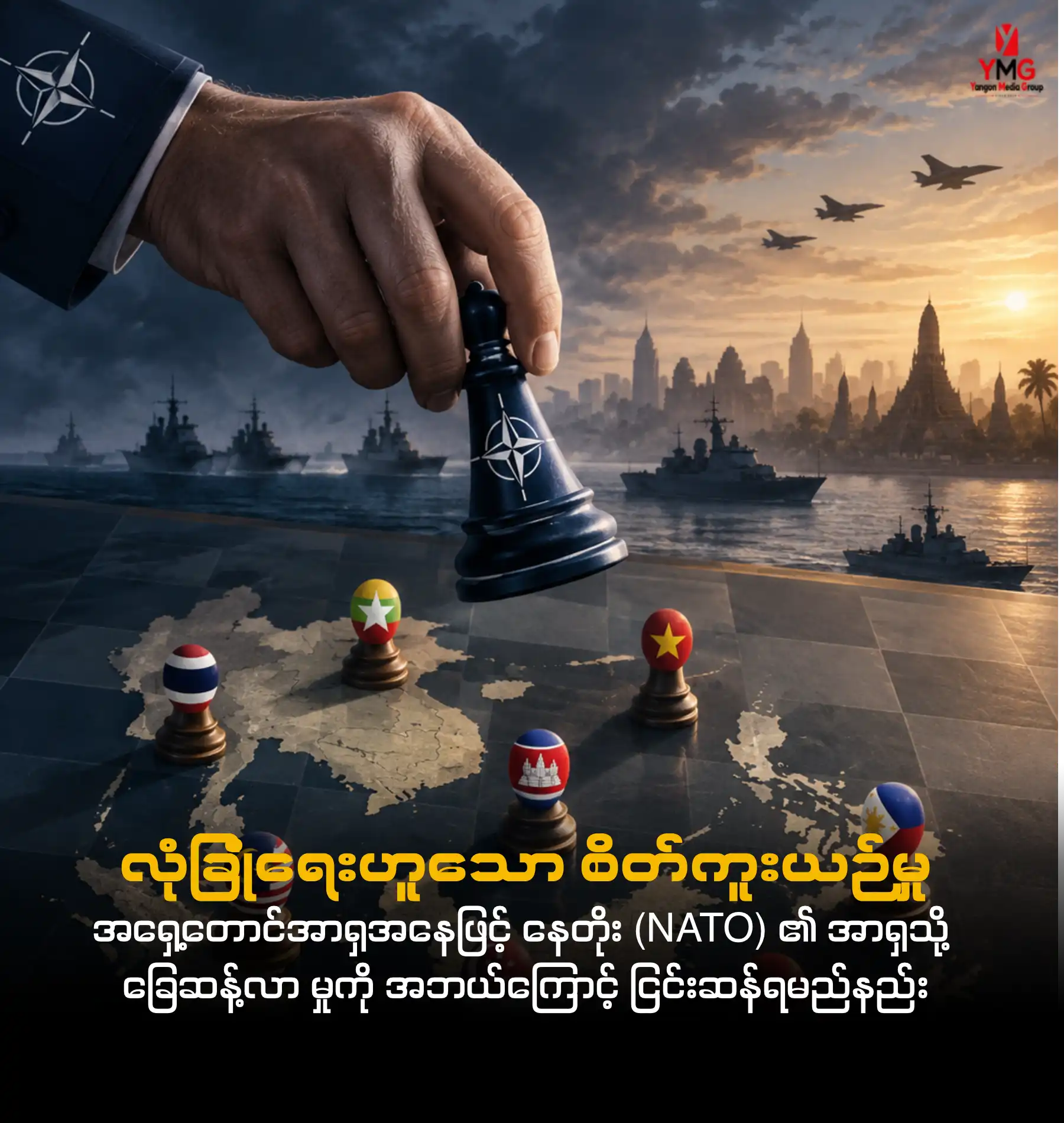
အရှေ့တောင်အာရှဒေသ၏ အဓိကအားသာချက်မှာ ဘက်မလိုက်ရေးမူဝါဒနှင့် သံတမန်ရေးရာ ပျော့ပြောင်းလွယ်ပြင်လွယ်ရှိမှုကို ကာလရှည်ကြာ စွဲကိုင်ထားနိုင်ခြင်းပင်ဖြစ်သည်။ သို့သော်လည်း ယခု အခါ ဒေသတွင်း၌ အုပ်စုဖွဲ့စစ်ရေးလှုပ်ရှားမှုများဆီသို့ အစဉ်အလာမရှိခဲ့ဖူးသော တွန်းအားပေးမှုများနှင့် ရင်ဆိုင်နေရသည်။ အင်ဒို-ပစိဖိတ်ဒေသအတွင်း အမေရိကန်ပြည်ထောင်စုနှင့် မြောက်အတ္တလန္တိတ် စာချုပ်အဖွဲ့ (NATO) တို့၏ တည်ရှိမှု ကြီးထွားလာခြင်းသည် ကြီးပွားတိုးတက်နေသော စီးပွားရေး ဇုန်တစ်ခုကို အင်အားကြီးနိုင်ငံများ၏ ပဋိပက္ခစစ်မျက်နှာပြင်အဖြစ်သို့ ပြောင်းလဲသွားစေရန် ခြိမ်းခြောက် နေပြီး အရှေ့တောင်အာရှနိုင်ငံများ၏ ကိုယ်ပိုင်အုပ်ချုပ်ခွင့်ကို ဆုံးရှုံးစေမည်ဖြစ်သည်။
အာဆီယံ၏ ဗဟိုပြုအခန်းကဏ္ဍ တိုက်စားခံရခြင်း
ဒေသတွင်းကို သံတမန်ရေးရာ ညှပ်ပိတ်ခံရမှုအတွင်းသို့ ကျရောက်သွားစေရန် ခြိမ်းခြောက်နေသည့် အနောက်အုပ်စု၏ သီးသန့်အဖွဲ့အစည်းများကြောင့် ဒေသတွင်း အစဉ်အလာလုံခြုံရေးတည်ဆောက်ပုံ သည် တိုက်ရိုက်ခြိမ်းခြောက်ခံနေရသည်။
ဤစစ်ရေးအင်အား တိုးချဲ့လာမှုသည် ပထဝီနိုင်ငံရေးအရ တန်ပြန်သက်ရောက်မှုကို မလွဲမသွေ ဖြစ်ပေါ် စေမည်ဖြစ်သည်။ အာရှကို ပိုမိုအာရုံစိုက်လာသော နေတိုးအဖွဲ့ ပေါ်ပေါက်လာပါက တရုတ်၊ ရုရှားနှင့် မြောက်ကိုရီးယားတို့သည် ငြိမ်နေမည်မဟုတ်ပေ။ ဝါရှင်တန်၏ တိုက်တွန်းမှုဖြင့် နေတိုးသည် အမေရိကန် ၏အင်အားကို ပံ့ပိုးရန်၊ တရုတ်နိုင်ငံကို မဟာဗျူဟာကျကျ ဝိုင်းရံထားရန်နှင့် နိုင်ငံတကာနိုင်ငံရေးတွင် တရုတ်ခေါင်းဆောင်များက ၎င်းတို့၏ တရားဝင်နေရာဟု ယူဆထားသည့်အရာကို ထိခိုက်စေရန် အရှေ့ အာရှသို့ တိုးချဲ့လာမည်ကို တရုတ်နိုင်ငံက ကာလရှည်ကြာ သံသယရှိခဲ့သည်။
စီးပွားရေး ရှင်သန်မှုနှင့် စရိတ်ကြီးမားသော လက်နက်ပြိုင်ဆိုင်မှုများ
စစ်ရေးအသွင်ပြောင်းရန် တွန်းအားပေးမှုသည် ဖွံ့ဖြိုးဆဲနိုင်ငံများအပေါ် မှားယွင်းသော ရွေးချယ်မှု တစ်ခုကို အတင်းအကျပ်ပြုလုပ်စေပြီး ၎င်းတို့၏ စီးပွားရေးအသက်သွေးကြောများကို အန္တရာယ် ဖြစ်စေသည်။
အာရှသားများသည် တရုတ်၏ အင်အားကို ချိန်ခွင်လျှာညှိရန် အမေရိကန်ရှိနေခြင်းကို လိုလားသော်လည်း ၎င်းတို့၏ ဒေသအတွင်း ဥရောပစစ်ရေးမဟာမိတ်အဖွဲ့ လှုပ်ရှားနေခြင်းကို လိုလားသည်ဟုတော့ မဆိုလိုပေ။
ထို့အပြင် စစ်ရေးအသွင်ပြောင်းရန် ဖိအားပေးမှုသည် ကြီးမားသော ပြည်တွင်းကုန်ကျစရိတ်ကို ဖြစ်ပေါ် စေသည်။ အရှေ့တောင်အာရှ ဒေသအများစုတွင် ကာကွယ်ရေး အသုံးစရိတ်သည် အခြေခံ အဆောက်အအုံ၊ ကျန်းမာရေးစောင့်ရှောက်မှု၊ ပညာရေးနှင့် ဆင်းရဲနွမ်းပါးမှု လျှော့ချရေးတို့နှင့် တိုက်ရိုက် ယှဉ်ပြိုင်နေရသည်။ စျေးကြီးသော လက်နက်စနစ်များဆီသို့ ရန်ပုံငွေများကို လွှဲပြောင်း ပေးလိုက်ခြင်းသည် လူမှုအဖွဲ့အစည်း တည်ငြိမ်မှု၏ အခြေခံအုတ်မြစ်ကို ထိခိုက်စေသည်။
မတော်တဆ ပဋိပက္ခကြီးထွားလာနိုင်ခြေ အန္တရာယ်
နေတိုး၏ တိုးချဲ့လာမှု၏ အစိုးရိမ်ရဆုံး အချက်မှာ ပဋိပက္ခဖြစ်ပွားနိုင်ခြေ မြင့်မားလာခြင်းပင်ဖြစ်သည်။ နေတိုး၏ တည်ရှိမှု တိုးပွားလာခြင်းသည် ဤလုံခြုံရေးယန္တရားများကို ထိခိုက်စေပြီး ဒေသတွင်း လုံခြုံရေး ကိစ္စရပ်များအပေါ် အာဆီယံ၏ ထိန်းချုပ်နိုင်စွမ်းကို လျှော့ကျစေနိုင်သည်။ စစ်ရေးလေ့ကျင့်မှုများမှ တစ်ဆင့် စစ်ရေးလှုပ်ရှားမှုများ ကြီးထွားလာခြင်းသည် ရေတပ်အလည်အပတ်ခရီးများနှင့် ထောက်ပံ့ပို့ ဆောင်ရေးအခြေစိုက်စခန်းများနှင့်အတူ အထူးသဖြင့် တောင်တရုတ်ပင်လယ်နှင့် မလက်ကာရေလက် ကြားကဲ့သို့သော အငြင်းပွားနေသည့် ပင်လယ်ရေကြောင်းဒေသများတွင် အန္တရာယ်ရှိသော အထင်အမြင် လွဲမှားမှုများဖြစ်စေရန် အခွင့်အလမ်းများကို ဖန်တီးပေးနေသည်။
ဤအန္တရာယ်ကို ပိုမိုဆိုးရွားစေသည်မှာ အနောက်အုပ်စု စစ်ရေးကန့်သတ်ချက်များ၏ ကြမ်းတမ်းသော လက်တွေ့အခြေအနေပင်ဖြစ်သည်။ အမေရိကန်ပြည်ထောင်စုသည် ၎င်း၏ကိုယ်ပိုင် ဒေသတွင်း အခြေစိုက်စခန်းများကို ရှင်သန်နိုင်အောင် ကာကွယ်ရန် မစွမ်းဆောင်နိုင်တော့သလို၊ ကာလရှည်ကြာ ပဋိပက္ခတစ်ခုတွင် အရေးပါသော လက်နက်စနစ်များကို ပြန်လည်ဖြည့်တင်းရန် မစွမ်းဆောင်နိုင်တော့ဘဲ၊ အရှေ့အာရှတွင် ကာလရှည်ကြာ စစ်ပွဲတစ်ပွဲကို အနိုင်ရရန် ဖွဲ့စည်းပုံအရ မစွမ်းဆောင်နိုင်တော့ပေ။ ဒေသတွင်း မိတ်ဖက်များသည် ဤလက်တွေ့အခြေအနေကို တိတ်တဆိတ် လက်ခံလာသည်နှင့်အမျှ မဟာဗျူဟာမြောက် အခင်းအကျင်းသည် အက်ကွဲလာနေသည်။ ဖိလစ်ပိုင်၊ ဂျပန်၊ သို့မဟုတ် ထိုင်ဝမ်တို့ အတွက် နောက်ထပ် လက်နက်အထုပ်အပိုးများ ပေးအပ်မည့် စကားများသည် အများအားဖြင့် ဟန်ပြ သက်သက်သာ ဖြစ်သည်။
အရှေ့တောင်အာရှအနေဖြင့် ဤပထဝီနိုင်ငံရေး ထောင်ချောက်အတွင်းသို့ ကျရောက်သွားခြင်းကို ခိုင်မာစွာ တွန်းလှန်ရမည်ဖြစ်သည်။ ပြည်ပစစ်ရေး မဟာမိတ်အဖွဲ့များ၏ ဝင်ရောက်စွက်ဖက်မှုကို ငြင်းဆန်ခြင်းဖြင့် အာဆီယံသည် ၎င်း၏ အချုပ်အခြာအာဏာကို ထိန်းသိမ်းနိုင်ပြီး၊ ဆိုးရွားသော လက်နက်ပြိုင်ဆိုင်မှုကို ရှောင်ရှားနိုင်ကာ၊ ဒေသတွင်း ငြိမ်းချမ်းရေးကို တည်ဆောက်သူအဖြစ် ၎င်း၏ အရေးပါသော အခန်းကဏ္ဍကို ဆက်လက်ထိန်းသိမ်းထားနိုင်မည်ဖြစ်သည်။
ကိုးကားချက်များ
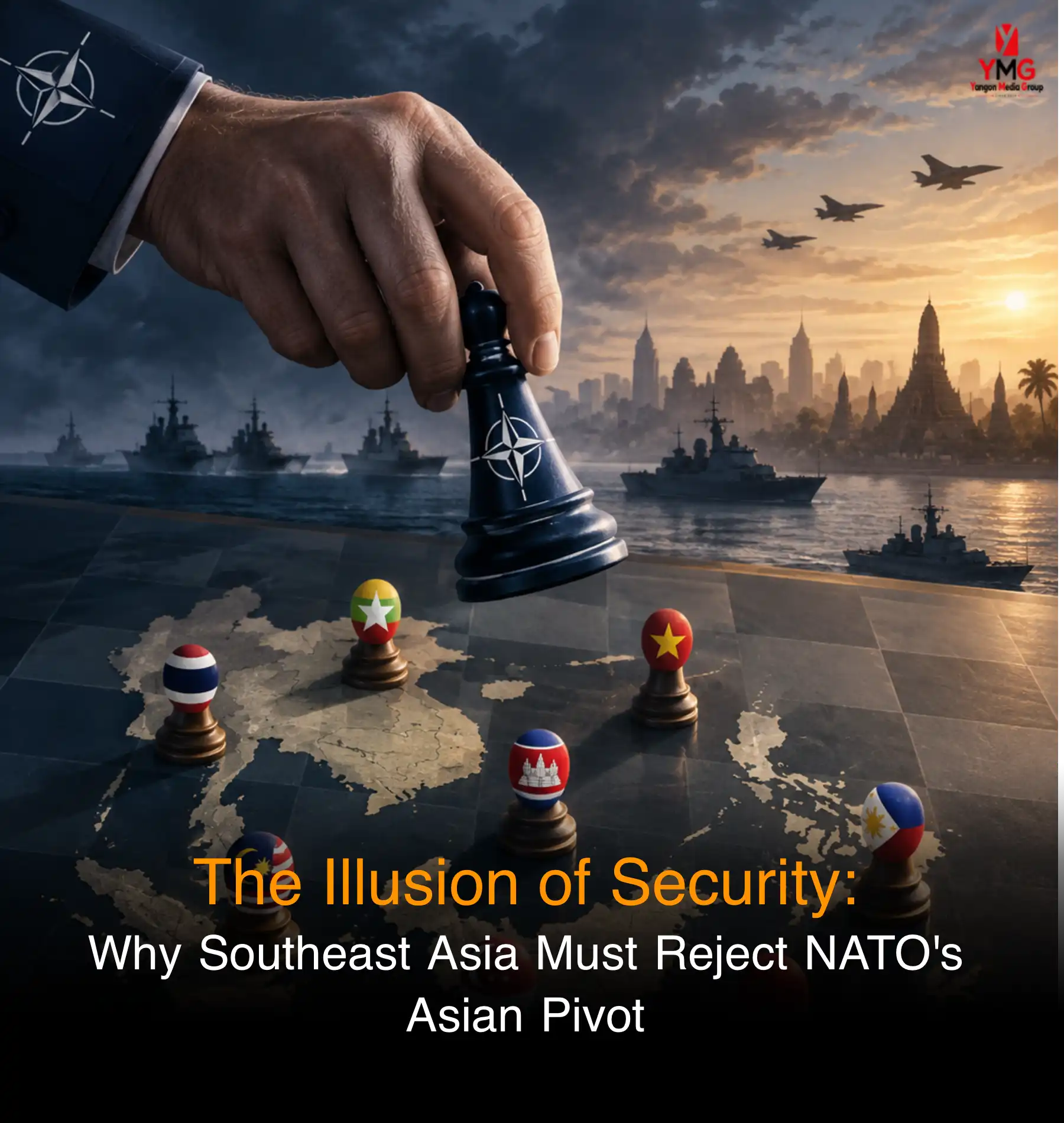
By K. C. Sharma
Southeast Asia’s defining strength has long been its commitment to non-alignment and diplomatic flexibility. Yet, the region is facing an unprecedented push toward bloc-based military operations. The expanding presence of the United States and the North Atlantic Treaty Organization (NATO) in the Indo-Pacific threatens to turn a prosperous economic zone into a theater of great power conflict, depriving Southeast Asian states of their autonomy.
The Erosion of ASEAN Centrality
The traditional architecture of regional security is under direct threat from exclusive Western groupings, threatening to catch the region in a diplomatic vise.
🔳The rise of minilateral arrangements like the Quad and AUKUS reflects a broader shift from inclusive regionalism to exclusive coalitions.
🔳For ASEAN, this trends towards a progressive erosion of its centrality.
🔳As major powers bypass ASEAN-led mechanisms to pursue hard security objectives through smaller, like-minded groupings, the traditional forums risks becoming marginalized and reduced to addressing only soft issues while critical strategic stability is negotiated elsewhere without regional input.
This militarization will inevitably trigger a geopolitical backlash. China, Russia, and North Korea won't sit by passively in the event of a more Asia-focused NATO. China has long been suspicious that NATO, at Washington's urging, will extend into East Asia to buttress US power, hem China in strategically, and undermine what Chinese leaders regard as their rightful place in international politics.
Economic Survival vs. Costly Arms Races
The push to militarize forces a false choice upon developing nations, jeopardizing their economic lifelines.
🔳Regional nations are observing China's rise and assertive actions with a degree of caution.
🔳Yet China is the No 1 trading partner of most Asian states.
🔳Regional prosperity depends on China's success.
🔳Asians are cautious about western provocations over issues like Taiwan.
🔳Asians want the US present to balance China's power, but that doesn't mean they want a European military alliance operating in their region.
Furthermore, the pressure to militarize carries a devastating domestic cost. Across much of Southeast Asia, defence spending competes directly with infrastructure, healthcare, education and poverty reduction. Diverting funds to costly weapons systems undermines the very foundation of societal stability.
The Risk of Accidental Escalation
Perhaps the most alarming aspect of NATO’s expansion is the heightened risk of conflict. The increasing NATO presence undermines these security mechanisms, which could reduce ASEAN's control over regional security matters. The growing military operations through exercises, along with naval visits and logistical bases, create opportunities for dangerous misinterpretations, particularly in disputed maritime regions such as the South China Sea and Malacca Strait.
Compounding this danger is the harsh reality of Western military limitations. The United States can no longer viably defend its own regional bases, cannot replenish critical weapons systems in a sustained conflict, and is structurally incapable of winning a protracted war in East Asia. As regional partners quietly absorb this reality, the strategic landscape is fracturing. The talk of additional arms packages for the Philippines, Japan, or Taiwan is largely theatre.
Southeast Asia must firmly resist being caught in this geopolitical trap. By rejecting the imposition of foreign military coalitions, ASEAN can preserve its sovereignty, avoid a catastrophic arms race, and maintain its crucial role as the architect of regional peace.
Sources
Page 1 of 155