

#World_Health
Published 26 October 2026
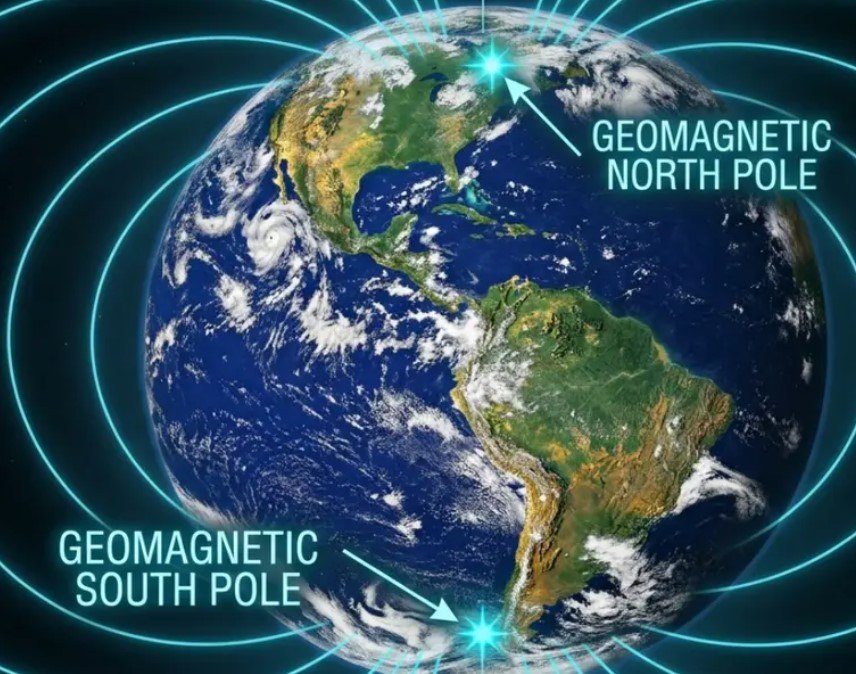
■ ကမ္ဘာ့သံလိုက်စက်ကွင်းဟာ အချိန်ကြာလာတာနဲ့အမျှ အားနည်းလာနေပြီး တစ်ချိန်ချိန်မှာ ကမ္ဘာ့သံလိုက်မြောက်ဝင်ရိုးနဲ့ တောင်ဝင်ရိုးတို့ နေရာချင်းပြောင်းပြန်ဖြစ်သွားနိုင်ပါတယ်။ ဒီဖြစ်စဉ်ကို သံလိုက်ဝင်ရိုးပြောင်းပြန်လှန်ခြင်းလို့ခေါ်ပါတယ်။
■ နောက်ဆုံးအကြိမ် ဒီလိုဖြစ်ခဲ့တာ လွန်ခဲ့တဲ့ နှစ်ပေါင်း ၇၈၀,၀၀၀ ခန့်က ဖြစ်ပါတယ်။
■ ဒါကြောင့် ကမ္ဘာ့သံလိုက်ဝင်ရိုးတွေ မကြာခင် ပြောင်းပြန်ဖြစ်တော့မှာလား၊ ဒီဖြစ်စဉ်က ရာသီဥတုပြောင်းလဲမှုကို ပိုဆိုးစေနိုင်သလား၊ လူသားတွေအပါအဝင် သက်ရှိမျိုးစိတ်တွေ အစုလိုက်အပြုံလိုက် မျိုးသုဉ်းသွားစေနိုင်သလားဆိုတဲ့ မေးခွန်းတွေ ပေါ်ပေါက်လာပါတယ်။
■ သိပ္ပံပညာရှင်တွေရဲ့ လက်ရှိအထောက်အထားတွေအရတော့ သံလိုက်ဝင်ရိုးပြောင်းပြန်ဖြစ်ခြင်းကြောင့် ကမ္ဘာပေါ်မှာ သက်ရှိတွေ အစုလိုက်အပြုံလိုက် မျိုးသုဉ်းသွားမယ်ဆိုတဲ့ အထောက်အထား မရှိသေးပါဘူး။
■ ကမ္ဘာ့သံလိုက်စက်ကွင်းက ဘာကြောင့်အရေးကြီးတာလဲ
■ ကမ္ဘာ့သံလိုက်စက်ကွင်းဟာ ကမ္ဘာကို ပတ်လည်ဝန်းရံထားတဲ့ သဘာဝအကာအကွယ်တစ်ခုလိုပါပဲ။ နေကနေ ထွက်လာတဲ့ လျှပ်စစ်ဓာတ်ဆောင်အမှုန်တွေ၊ အာကာသထဲက စွမ်းအင်မြင့်အမှုန်တချို့ရဲ့ သက်ရောက်မှုကို လျှော့ချပေးပါတယ်။
■ ဒီသံလိုက်စက်ကွင်း အားနည်းလာရင် အာကာသကလာတဲ့ အမှုန်တချို့ဟာ ကမ္ဘာ့လေထုထဲကို ပိုမိုဝင်ရောက်လာနိုင်ပါတယ်။ အထူးသဖြင့် သံလိုက်စက်ကွင်း အားနည်းတဲ့ဒေသတွေမှာ ဒီအကျိုးသက်ရောက်မှု ပိုသိသာနိုင်ပါတယ်။
■ သုတေသနအချို့အရ ကမ္ဘာ့သံလိုက်စက်ကွင်းရဲ့ အဓိကအစိတ်အပိုင်းဖြစ်တဲ့ dipole field ဟာ လွန်ခဲ့တဲ့ နှစ် ၁၅၀ ကနေ ၂၀၀ အတွင်း အားနည်းလာခဲ့တယ်လို့ ဆိုပါတယ်။ ဒါပေမဲ့ ဒီအချက်တစ်ခုတည်းနဲ့ သံလိုက်ဝင်ရိုးတွေ မကြာခင် ပြောင်းပြန်ဖြစ်တော့မယ်လို့ ကောက်ချက်ချလို့မရပါဘူး။
■ သိပ္ပံပညာရှင်တချို့က သံလိုက်စက်ကွင်း အားနည်းလာတဲ့အခါ အာကာသကလာတဲ့ စွမ်းအင်မြင့်အမှုန်တွေ ကမ္ဘာ့လေထုအတွင်း ပိုမိုဝင်ရောက်လာနိုင်ပြီး လေထုအတွင်းရှိ လျှပ်စစ်ဓာတ်ဆောင်မှုဖြစ်စဉ်တွေကို ပြောင်းလဲစေနိုင်တယ်လို့ လေ့လာထားကြပါတယ်။
■ ဒီအမှုန်တွေဟာ အောက်ပါအရင်းအမြစ်တွေကနေ လာနိုင်ပါတယ်။
■ နေကနေ အမှုန်အမြောက်အမြား ထုတ်လွှတ်တဲ့ ဖြစ်စဉ်များ
Supernovaလို့ခေါ်တဲ့ ကြယ်ပေါက်ကွဲမှုများ
အာကာသအတွင်းရှိ စွမ်းအင်မြင့်အမှုန်များ
■ ဒီအမှုန်တွေဟာ ကမ္ဘာ့လေထုနဲ့ တုံ့ပြန်တဲ့အခါ ဒုတိယဆင့် ရောင်ခြည်နဲ့ အခြားအမှုန်တွေ ဖြစ်ပေါ်လာနိုင်ပါတယ်။ ဒါ့အပြင် လေထုအတွင်း အိုင်ယွန်ဖြစ်ပေါ်မှု ကိုလည်း သက်ရောက်စေနိုင်ပါတယ်။
■ သီအိုရီအရ ဒီလိုပြောင်းလဲမှုတွေဟာ လေထုထဲက အမှုန်ငယ်တွေ စုပေါင်းဖွဲ့စည်းပုံနဲ့ တိမ်ဖြစ်ပေါ်မှုတို့အပေါ် သက်ရောက်နိုင်ပြီး ရာသီဥတုနဲ့ ဆက်စပ်မှုရှိမရှိကိုလည်း လေ့လာနေကြပါတယ်။
■ ဒါပေမဲ့ ဒီဖြစ်စဉ်တွေက ကမ္ဘာ့ရာသီဥတုကို သိသိသာသာ ပြောင်းလဲစေမယ်၊ ကမ္ဘာကြီးပူနွေးလာမှုရဲ့ အဓိကအကြောင်းရင်းဖြစ်တယ်ဆိုတဲ့ ခိုင်မာတဲ့ အထောက်အထား မရှိသေးပါဘူး။
■ လက်ရှိကမ္ဘာကြီးပူနွေးလာမှုရဲ့ အဓိကအကြောင်းရင်းကတော့ လူသားတို့ရဲ့ လုပ်ဆောင်မှုတွေကြောင့် ဖန်လုံအိမ်ဓာတ်ငွေ့တွေ တိုးပွားလာခြင်းဖြစ်ပါတယ်။
■ သံလိုက်ဝင်ရိုးတွေ ပြောင်းပြန်ဖြစ်ရင် ဘာတွေဖြစ်လာနိုင်သလဲ
■ NASA ရဲ့ ဖော်ပြချက်အရ အတိတ်က သံလိုက်ဝင်ရိုးပြောင်းပြန်ဖြစ်ခဲ့တဲ့ ဖြစ်စဉ်တွေကြောင့် ကမ္ဘာပေါ်မှာ သက်ရှိမျိုးစိတ်တွေ အစုလိုက်အပြုံလိုက် မျိုးသုဉ်းခဲ့တယ်၊ ကမ္ဘာတစ်ခုလုံး ပျက်စီးသွားခဲ့တယ်ဆိုတဲ့ အထောက်အထား မရှိပါဘူး။
■ ရုပ်ကြွင်းမှတ်တမ်းတွေကို လေ့လာရာမှာလည်း သံလိုက်ဝင်ရိုးပြောင်းပြန်ဖြစ်ခြင်းနဲ့ မျိုးသုဉ်းမှုကြီးတွေကြား တိုက်ရိုက်ဆက်စပ်မှုကို မတွေ့ရှိထားပါဘူး။
■ ဒါပေမဲ့ သံလိုက်စက်ကွင်း အားနည်းနေတဲ့ ကူးပြောင်းကာလမှာ နေရောင်ခြည်နဲ့ အာကာသအမှုန်တွေရဲ့ သက်ရောက်မှု ပိုများလာနိုင်တာကြောင့် နည်းပညာစနစ်တချို့မှာ အန္တရာယ်တွေ ရှိလာနိုင်ပါတယ်။
■ သံလိုက်ဝင်ရိုးပြောင်းပြန်ဖြစ်ဖို့ ဘယ်လောက်ကြာမလဲ
■ သံလိုက်ဝင်ရိုးပြောင်းပြန်ဖြစ်ခြင်းဟာ ရုတ်တရက်ဖြစ်ပေါ်တဲ့ ဖြစ်စဉ်တစ်ခု မဟုတ်ပါဘူး။
သိပ္ပံပညာရှင်တွေရဲ့ ခန့်မှန်းချက်အရ ဝင်ရိုးတွေ အပြည့်အဝ ပြောင်းပြန်ဖြစ်သွားဖို့ နှစ်ပေါင်း ၂,၀၀၀ ကနေ ၁၀,၀၀၀ အထိ ကြာနိုင်ပါတယ်။
■ ဒီကူးပြောင်းကာလအတွင်းမှာ—
■ ကမ္ဘာ့သံလိုက်စက်ကွင်းရဲ့ အဓိကအားကောင်းတဲ့ မြောက်-တောင် ဝင်ရိုးပုံစံ အားနည်းလာနိုင်ပါတယ်။
■ သံလိုက်စက်ကွင်းဟာ ပုံမှန်ထက် ပိုမိုရှုပ်ထွေးတဲ့ ပုံစံပြောင်းလဲသွားနိုင်ပါတယ်။
■ ကမ္ဘာ့မျက်နှာပြင်တစ်ဝန်းမှာ သံလိုက်ဝင်ရိုးငယ်တွေ အများအပြား ယာယီပေါ်ပေါက်လာနိုင်ပါတယ်။
■ နောက်ဆုံးမှာတော့ သံလိုက်စက်ကွင်းဟာ ဝင်ရိုးအသစ်တစ်ခုနဲ့ ပြန်လည်တည်ငြိမ်သွားနိုင်ပါတယ်။
Source-Wion

#World_Health
Published 26 October 2026
■ ညတိုင်း ဘယ်နှနာရီအိပ်ခဲ့လဲ၊ အိပ်ချိန်မှန်ရဲ့လား၊ အိပ်စက်မှုအရည်အသွေး ဘယ်လောက်ကောင်းလဲဆိုတာ သိနိုင်ဖို့ Smartwatch နဲ့ Sleep Tracker တွေကို အသုံးပြုနေကြသူတွေ အများကြီးရှိပါတယ်။
■ အမေရိကန်နိုင်ငံက အရွယ်ရောက်ပြီးသူတွေ ၄၈ ရာခိုင်နှုန်းလောက်ဟာ အိပ်စက်မှုကို ခြေရာခံတိုင်းတာပေးတဲ့ ကိရိယာတွေကို အသုံးပြုဖူးကြတယ်လို့ သတင်းမှာဖော်ပြထားပါတယ်။
■ ဒါပေမဲ့ လေ့လာမှုအသစ်တစ်ခုအရ ဒီလို ကျန်းမာရေးအတွက် အသုံးဝင်တယ်လို့ ယူဆထားတဲ့ ဝတ်ဆင်အသုံးပြုနိုင်တဲ့ နည်းပညာပစ္စည်းတွေဟာ အိပ်စက်မှုနဲ့ပတ်သက်တဲ့ အရေးကြီးတဲ့အချက်တချို့ကို မဖော်ပြနိုင်ဘူးလို့ သိရပါတယ်။
■ အိပ်ရေးဝဝအိပ်စက်ခြင်းဟာ ကျန်းမာရေးအတွက် အရေးကြီးတာကြောင့် ကိုယ့်ရဲ့အိပ်စက်မှုပုံစံကို စောင့်ကြည့်ပြီး လိုအပ်တာတွေ ပြုပြင်ဖို့ ကြိုးစားတာဟာကောင်းတဲ့အလေ့အကျင့်တစ်ခုပါ။
■ ဒါပေမဲ့ Sleep Tracker တွေ မတိုင်းတာနိုင်တဲ့အချက်တွေကြောင့် ကိုယ့်ရဲ့အိပ်စက်မှုအခြေအနေကို မှားယွင်းနားလည်သွားနိုင်ပါတယ်။
■ အထူးသဖြင့် အိပ်မပျော်တဲ့ရောဂါ (Insomnia) လို ပြဿနာတွေကို စောစီးစွာ ရှာဖွေကုသနိုင်ဖို့ နှောင့်နှေးသွားစေနိုင်တယ်လို့ သုတေသီတွေက သတိပေးထားပါတယ်။
■ Sleep Tracker က အိပ်ရေးဝတယ်လို့ပြပေမယ့် တကယ်တမ်း အိပ်ရေးမဝတာမျိုး ဖြစ်နိုင်
လူပေါင်း ၂,၀၀၀ ကျော်ရဲ့ အချက်အလက်တွေကို လေ့လာဆန်းစစ်ခဲ့ရာမှာ Sleep Tracker တွေက မှတ်တမ်းတင်ထားတဲ့ အချက်အလက်တွေနဲ့ လူတွေကိုယ်တိုင် သူတို့ရဲ့အိပ်စက်မှုအရည်အသွေးကို ခံစားသတ်မှတ်တဲ့ ရလဒ်တွေဟာ အမြဲတမ်း ကိုက်ညီနေတာမဟုတ်ဘူးလို့ တွေ့ရှိခဲ့ပါတယ်။
■ အလွယ်ပြောရရင် ကိုယ့်ရဲ့ Smartwatch က ညက အိပ်ရေးကောင်းကောင်းဝခဲ့တယ်လို့ ပြနေပေမဲ့ မနက်နိုးလာတဲ့အခါ ပင်ပန်းနွမ်းနယ်နေတာ၊ အားမရှိသလို ခံစားရတာမျိုး ဖြစ်နိုင်ပါတယ်။
■ သုတေသီတွေရဲ့ တွေ့ရှိချက်အရ ဝတ်ဆင်အသုံးပြုတဲ့ ကိရိယာတွေက တိုင်းတာရရှိတဲ့ အချက်အလက်တွေဟာ လူတစ်ဦးချင်းစီရဲ့ အိပ်စက်မှုအရည်အသွေးအပေါ် ခံစားသတ်မှတ်ချက် ကွာခြားမှုတွေထဲက ၂.၅ ရာခိုင်နှုန်းကနေ ၁၆ ရာခိုင်နှုန်းအထိသာ ရှင်းပြနိုင်ခဲ့ပါတယ်။
■ ဆိုလိုတာက လူတစ်ဦးက သူ့ရဲ့အိပ်စက်မှုကို ကောင်းတယ်၊ မကောင်းဘူးလို့ ခံစားရတဲ့ ကွာခြားချက်တွေရဲ့ ၈၄ ရာခိုင်နှုန်းကနေ ၉၇.၅ ရာခိုင်နှုန်းအထိကို ကိရိယာတွေက တိုင်းတာထားတဲ့ အချက်အလက်တွေနဲ့ ရှင်းပြလို့မရခဲ့တာပါ။
■ ဒါကြောင့် အိပ်စက်မှုအရည်အသွေးကို နားလည်ဖို့ ကိန်းဂဏန်းတွေကိုပဲ ကြည့်နေလို့ မလုံလောက်ပါဘူး။
■ ဘာကြောင့် အိပ်ချိန်ကို မှားယွင်းတွက်ချက်နိုင်တာလဲ
■ ဖြစ်နိုင်ခြေရှိတဲ့အကြောင်းရင်းတစ်ခုကတော့ ကိရိယာတွေဟာ လူတစ်ယောက်ငြိမ်ငြိမ်လေး လဲလျောင်းနေတာကို အိပ်ပျော်နေတယ်လို့ မှားယွင်းသတ်မှတ်နိုင်ခြင်း ဖြစ်ပါတယ်။
■ ဥပမာ ညဘက် အိပ်ရာဝင်ပြီး အိပ်မပျော်ဘဲ မျက်လုံးမှိတ်လျက် လဲလျောင်းနေတဲ့အချိန်၊ ဒါမှမဟုတ် ညလယ်မှာ နိုးလာပြီး ပြန်အိပ်ဖို့ ကြိုးစားနေတဲ့အချိန်တွေကို ကိရိယာက အိပ်ပျော်နေတဲ့အချိန်အဖြစ် တွက်ချက်မိနိုင်ပါတယ်။
■ လေ့လာမှုတစ်ခုမှာတော့ Sleep Tracker တွေဟာ တကယ်အိပ်ခဲ့တဲ့အချိန်ထက် မိနစ် ၃၀ ပိုများတယ်လို့ တွက်ချက်ခဲ့ပြီး အိပ်စက်မှုထိရောက်နှုန်းကိုလည်း ၈ ရာခိုင်နှုန်း ပိုမိုဖော်ပြခဲ့ပါတယ်။
■ Sleep Efficiency ဆိုတာ အိပ်ရာထဲမှာ နေခဲ့တဲ့အချိန်နဲ့ တကယ်အိပ်ပျော်ခဲ့တဲ့အချိန်တို့ရဲ့ အချိုးအစားကို ဆိုလိုတာပါ။
■ ဒီလို တိုင်းတာချက်တွေ မှားယွင်းနေရင် အိပ်စက်မှုဆိုင်ရာ ပြဿနာရှိသူတွေဟာ ကိုယ့်မှာ ဘာပြဿနာမှ မရှိဘူးလို့ ထင်သွားနိုင်ပါတယ်။ အဲဒီအတွက် ဆရာဝန်ဆီ သွားရောက်ပြသဖို့နဲ့ သင့်တော်တဲ့ ကုသမှုခံယူဖို့ နောက်ကျသွားနိုင်တယ်လို့ သုတေသီတွေက သတိပေးထားပါတယ်။
■ ဒါဆို Sleep Tracker တွေကို မသုံးသင့်တော့ဘူးလား
■ မဟုတ်ပါဘူး။ သုတေသီတွေက Sleep Tracker တွေကို လုံးဝစွန့်ပစ်ဖို့ မပြောထားပါဘူး။
ဒီကိရိယာတွေဟာ ကိုယ့်ရဲ့အိပ်စက်မှုပုံစံကို နားလည်ဖို့ အသုံးဝင်နေဆဲပါ။
■ ဥပမာ—တစ်ညကို ဘယ်နှနာရီလောက် အိပ်ဖြစ်သလဲ။
နေ့တိုင်း အိပ်ရာဝင်ချိန်နဲ့ အိပ်ရာထချိန် မှန်ကန်မှုရှိရဲ့လား။
အိပ်ချိန်ဟာ နေ့စဉ် ပုံမှန်ရှိရဲ့လား။
ကိုယ့်ရဲ့အိပ်စက်မှုအလေ့အထတွေ အချိန်ကြာလာတာနဲ့အမျှ ပြောင်းလဲလာသလား။
ဒီလိုအချက်တွေကို စောင့်ကြည့်ရာမှာ Sleep Tracker တွေက အထောက်အကူပြုနိုင်ပါတယ်။
ဒါပေမဲ့ ကိရိယာက ပြသတဲ့ ကိန်းဂဏန်းတစ်ခုတည်းကို အခြေခံပြီး ကိုယ့်ရဲ့အိပ်စက်မှုကျန်းမာရေးကို အဆုံးအဖြတ်မပေးသင့်ဘူးလို့ သုတေသီတွေက ဆိုပါတယ်။
Source- New York Post

#World_Health
Published 25 October 2026
■ အစားအစာတွေထဲမှာ ဘယ်ဟာတွေက ကျန်းမာရေးအတွက် အကောင်းဆုံးလဲ၊ ဘယ်အစားအစာတွေက အာဟာရတန်ဖိုးနည်းပါးလဲဆိုတာကို လေ့လာမှုအသစ်တစ်ခုက အဆင့်သတ်မှတ်ဖော်ပြလိုက်ပါတယ်။
■ စိတ်ဝင်စားစရာကောင်းတဲ့အချက်ကတော့ သစ်သီးနဲ့ဟင်းသီးဟင်းရွက်အားလုံးဟာ အာဟာရတန်ဖိုး တူညီကြတာမဟုတ်ဘူးဆိုတာပါပဲ။
■ ကျွန်တော်တို့အများစုဟာ သစ်သီးအားလုံးက ကျန်းမာရေးအတွက်ကောင်းတယ်၊ ဟင်းသီးဟင်းရွက်အားလုံးက အကျိုးရှိတယ်လို့ ယူဆလေ့ရှိကြပါတယ်။ အစားအစာထုပ်ပိုးမှုမှာလည်း ကျန်းမာရေးနဲ့ညီညွတ်တယ်ဆိုတဲ့ အမှတ်အသားလေးတွေ ပါလာရင် ရွေးချယ်သင့်တဲ့ အစားအစာတစ်ခုလို့ ထင်တတ်ကြပါတယ်။
■ ဒါပေမဲ့ လေ့လာမှုအသစ်တစ်ခုအရ အစားအစာတွေရဲ့ အာဟာရတန်ဖိုးကို အဲဒီလောက်ရိုးရိုးရှင်းရှင်း ခွဲခြားလို့မရဘူးဆိုတာတွေ့ရှိခဲ့ပါတယ်။
■ သုတေသီတွေဟာ အစားအစာတွေရဲ့ ကယ်လိုရီပမာဏ ဒါမှမဟုတ် သကြားနဲ့ အဆီပါဝင်မှုတစ်ခုတည်းကိုသာ အခြေခံတာမဟုတ်ဘဲ အာဟာရတန်ဖိုးတစ်ခုလုံးနဲ့ နာတာရှည်ရောဂါတွေကို ကာကွယ်နိုင်မှုတို့ကိုပါ ထည့်သွင်းစဉ်းစားတဲ့ Nutritional Value Score (NVS) လို့ခေါ်တဲ့ အာဟာရတန်ဖိုးအဆင့်သတ်မှတ်စနစ်အသစ်တစ်ခုကို ဖန်တီးခဲ့ကြပါတယ်။
■ ဒီစနစ်အရ အစိမ်းရင့်ရောင် အရွက်ဟင်းသီးဟင်းရွက်တွေ၊ ကလီစာတွေ၊ ငါးနဲ့ ပင်လယ်စာတွေဟာ အာဟာရတန်ဖိုးအမြင့်ဆုံး အုပ်စုတွေထဲမှာပါဝင်ပါတယ်။
■ တစ်ဖက်မှာတော့ အချိုရည်တွေ၊ အချိုမုန့်တွေ၊ အသင့်စားခေါက်ဆွဲခြောက်တွေ၊ စက်ရုံထုတ် အလွန်အမင်းပြုပြင်ထားတဲ့ သရေစာတွေ၊ သန့်စင်ထားတဲ့ ဂျုံမှုန့်ဖြူလို အစားအစာတွေက အာဟာရတန်ဖိုး နည်းပါးတဲ့အုပ်စုမှာ ပါဝင်ခဲ့ပါတယ်။
■ အလွယ်ပြောရရင် အမျိုးအစားတူတဲ့ အစားအစာတွေဖြစ်နေရင်တောင် အာဟာရတန်ဖိုးချင်း အများကြီး ကွာခြားနိုင်ပါတယ်။ ဥပမာ ဟင်းနုနွယ်ရွက်ဟာ ဖရဲသီးထက် အာဟာရဓာတ်တချို့ ပိုမိုကြွယ်ဝနိုင်ပါတယ်။
■ အလားတူ လူအများက ပုံမှန်စားသုံးနေကျဖြစ်လို့ အာဟာရတန်ဖိုးကောင်းမယ်လို့ ယူဆထားတဲ့ ဆန်ဖြူနဲ့ သန့်စင်ထားတဲ့ ကောက်နှံထွက်ပစ္စည်းတွေဟာလည်း ထင်ထားသလောက် အာဟာရမကြွယ်ဝနိုင်ပါဘူး။
■ အာဟာရတန်ဖိုးသတ်မှတ်စနစ်အသစ် ဘာကြောင့်လိုအပ်လာတာလဲ
■ သုတေသီတွေရဲ့ အဆိုအရ လက်ရှိအသုံးပြုနေတဲ့ အစားအစာအဆင့်သတ်မှတ်စနစ်အများစုဟာ ဖွံ့ဖြိုးပြီးနိုင်ငံတွေမှာ အဓိကဖန်တီးထားတာဖြစ်ပြီး အဝလွန်ခြင်း၊ ဆီးချိုရောဂါနဲ့ နှလုံးရောဂါလို နာတာရှည်ရောဂါတွေ ဖြစ်နိုင်ခြေကို လျှော့ချဖို့ ရည်ရွယ်ထားတာပါ။
■ ဒါပေမဲ့ အဲဒီစနစ်တွေဟာ အစားအစာတစ်ခုမှာ ဗီတာမင်၊ သတ္တုဓာတ်နဲ့ အရည်အသွေးမြင့် ပရိုတင်းတွေ ဘယ်လောက်ပါဝင်သလဲဆိုတာကို အပြည့်အဝ ထည့်သွင်းစဉ်းစားနိုင်ခြင်း မရှိတတ်ပါဘူး။
■ ဒါ့အပြင် အစားအစာထဲက အာဟာရဓာတ်တွေကို ခန္ဓာကိုယ်က ဘယ်လောက်အထိ စုပ်ယူအသုံးချနိုင်သလဲဆိုတဲ့ ကွာခြားချက်တွေကိုလည်း အမြဲတမ်း ထည့်သွင်းတွက်ချက်ထားတာ မဟုတ်ပါဘူး။
■ ဒီအချက်က အရေးကြီးပါတယ်။ ဘာကြောင့်လဲဆိုတော့ ကယ်လိုရီနည်းတယ်၊ သကြားနည်းတယ်ဆိုတာနဲ့ ခန္ဓာကိုယ်အတွက် လိုအပ်တဲ့ အာဟာရဓာတ်တွေ အပြည့်အဝရရှိမယ်လို့ မဆိုလိုပါဘူး။
■ တစ်ဖက်မှာလည်း ကယ်လိုရီအနည်းငယ်ပိုများတဲ့ အစားအစာတစ်ခုဟာ ခန္ဓာကိုယ်အတွက် မရှိမဖြစ်လိုအပ်တဲ့ အာဟာရဓာတ်တွေ အများကြီး ပေးစွမ်းနိုင်ပါတယ်။
■ အာဟာရတန်ဖိုးနည်းပါးတဲ့ အစားအစာတွေက ဘာတွေလဲ
■ လေ့လာမှုမှာ အာဟာရတန်ဖိုးနည်းပါးတဲ့ အစားအစာတွေထဲမှာ အချိုရည်တွေ၊ အားဖြည့်အချိုရည် Gatorade၊ ကိုလာအချိုရည်၊ ဆန်ပြုတ်၊ အသင့်စားခေါက်ဆွဲခြောက်၊ စက်ရုံထုတ် အချိုနဲ့ အငန်သရေစာတွေ၊ အုန်းသီးနဲ့ ဆန်ဖြူထွက်ပစ္စည်းတွေ ပါဝင်ခဲ့ပါတယ်။
■ သန့်စင်ထားတဲ့ ကောက်နှံထွက်ပစ္စည်းတွေကိုလည်း အာဟာရတန်ဖိုးနည်းပါးတဲ့ အုပ်စုအဖြစ် သတ်မှတ်ထားပါတယ်။
■ ဒါပေမဲ့ ဒီအဆင့်သတ်မှတ်ချက်ဟာ အဲဒီအစားအစာတွေကို လုံးဝမစားသင့်ဘူးလို့ ဆိုလိုတာတော့ မဟုတ်ပါဘူး။ အဓိကဆိုလိုတာက အစားအစာတစ်ခုချင်းစီကနေ ရရှိနိုင်တဲ့ အာဟာရဓာတ်ပမာဏနဲ့ အာဟာရသိပ်သည်းဆတို့ ကွာခြားနေတယ်ဆိုတာပါပဲ။
■ သစ်သီးနဲ့ ဟင်းသီးဟင်းရွက်အားလုံး အာဟာရတန်ဖိုးတူညီတာမဟုတ်
■ ဒီလေ့လာမှုရဲ့ စိတ်ဝင်စားစရာအကောင်းဆုံး အချက်တစ်ခုကတော့ “သစ်သီး” ဒါမှမဟုတ် “ဟင်းသီးဟင်းရွက်” ဆိုတဲ့ အုပ်စုကြီးတစ်ခုတည်းနဲ့ အာဟာရတန်ဖိုးကို တိုင်းတာဖို့ မလုံလောက်ဘူးဆိုတာပါပဲ။
■ ဥပမာ မာလကာသီးရဲ့ အာဟာရတန်ဖိုးဟာ ဖရဲသီးထက် သိသိသာသာ မြင့်မားခဲ့ပါတယ်။ အလားတူ ဟင်းနုနွယ်ရွက်ဟာ ခရမ်းသီးထက် အာဟာရတန်ဖိုး ပိုမိုမြင့်မားခဲ့ပါတယ်။
■ ဒါဟာ ဖရဲသီးနဲ့ ခရမ်းသီးတွေက ကျန်းမာရေးအတွက် မကောင်းဘူးလို့ ဆိုလိုတာ မဟုတ်ပါဘူး။ အဓိကကတော့ ဗီတာမင်၊ သတ္တုဓာတ်နဲ့ ခန္ဓာကိုယ်ကို ကာကွယ်ပေးနိုင်တဲ့ အခြားအာဟာရဓာတ်တွေကို ပိုမိုရရှိချင်တယ်ဆိုရင် အစားအစာရွေးချယ်မှုက အရေးကြီးတယ်ဆိုတာပါပဲ။
■ လူအများအတွက်လည်း ဒီအချက်က သတိပြုစရာဖြစ်ပါတယ်။ သစ်သီးနည်းနည်းစားတယ်၊ ဟင်းသီးဟင်းရွက်နည်းနည်းစားတယ်ဆိုတာ ကောင်းမွန်တဲ့ အစပြုမှုဖြစ်ပေမဲ့ ဘယ်သစ်သီး၊ ဘယ်ဟင်းသီးဟင်းရွက်ကို ရွေးချယ်စားသုံးသလဲဆိုတာကလည်း အရေးပါပါတယ်။
■ နေ့စဉ်စားသောက်မှုအတွက် ဘာတွေ မှတ်သားထားသင့်သလဲ
■ ကျန်းမာရေးနဲ့ညီညွတ်ပြီး အာဟာရပြည့်ဝတဲ့ အစားအသောက်ပုံစံတစ်ခု တည်ဆောက်ချင်တယ်ဆိုရင် အောက်ပါအချက်တွေကို လိုက်နာနိုင်ပါတယ်။
■ အစိမ်းရင့်ရောင် အရွက်ဟင်းသီးဟင်းရွက်တွေကို ပိုစားပါ။ ဥပမာ ဟင်းနုနွယ်ရွက်နဲ့ အခြားအစိမ်းရင့်ရောင် အရွက်ဟင်းသီးဟင်းရွက်တွေ။
■ ငါးနဲ့ ဥတွေကို သင့်တင့်မျှတစွာ စားသုံးပါ။ ပရိုတင်းနဲ့ အခြားမရှိမဖြစ်လိုအပ်တဲ့ အာဟာရဓာတ်တွေ ရရှိစေနိုင်ပါတယ်။
■ ပဲအမျိုးမျိုး၊ အခွံမာသီးနဲ့ အစေ့အဆန်တွေကို စားပါ။ အမျှင်ဓာတ်နဲ့ အခြားအာဟာရဓာတ်တွေ ရရှိနိုင်ပါတယ်။
■ သကြားပါဝင်မှုများတဲ့ အချိုရည်တွေနဲ့ စက်ရုံထုတ်သရေစာတွေကို လျှော့စားပါ။
■ အစားအစာကို သဘာဝအတိုင်း ဒါမှမဟုတ် အနည်းငယ်သာ ပြုပြင်ထားတဲ့ ပုံစံကို ဦးစားပေးပါ။
■ သစ်သီးနဲ့ ဟင်းသီးဟင်းရွက် အမျိုးအစားစုံလင်အောင် စားပါ။ အာဟာရဓာတ်တစ်မျိုးတည်းကို အလွန်အကျွံရရှိဖို့ထက် အာဟာရမျိုးစုံ မျှတစွာရရှိဖို့က ပိုအရေးကြီးပါတယ်။
■ ယနေ့ခေတ်မှာ အစားအစာကြော်ငြာတွေနဲ့ ထုပ်ပိုးမှုအပေါ်က ကျန်းမာရေးဆိုင်ရာ စာသားတွေကို နေ့စဉ်မြင်တွေ့နေရပါတယ်။ ဒါပေမဲ့ အစားအစာတစ်ခုကို ကျန်းမာရေးနဲ့ညီညွတ်တယ်လို့ ဖော်ပြထားရုံနဲ့ အခြားအစားအစာတွေနဲ့ အာဟာရတန်ဖိုးတူညီတယ်လို့ မဆိုနိုင်ပါဘူး။
Source- The Jerusalem Post

#World_Health
Published 25 October 2026
အားဆေးတွေ အများကြီးသောက်နေတာက အသည်းကို ထိခိုက်စေနိုင်တယ်ဆိုတာ သိထားပါသလား။
■ အားဆေးတွေ၊ ဗီတာမင်တွေ၊ ဆေးဖက်ဝင်အပင်က ထုတ်လုပ်ထားတဲ့ ဖြည့်စွက်စာတွေကို ကျန်းမာရေးကောင်းဖို့အတွက် သောက်သုံးကြပါတယ်။ ဒါပေမဲ့ အားဆေးတွေကို တစ်မျိုးပြီးတစ်မျိုး အများကြီး တွဲသောက်နေတယ်ဆိုရင်တော့ သတိထားဖို့ လိုပါတယ်။
■ ဘာကြောင့်လဲဆိုတော့ ကိုယ်သောက်သုံးလိုက်တဲ့ ပစ္စည်းတွေကို ခန္ဓာကိုယ်က ချေဖျက်ပြီး စီမံလုပ်ဆောင်နိုင်ဖို့ အသည်းက အရေးကြီးတဲ့အခန်းကဏ္ဍကနေ ပါဝင်နေလို့ပါ။
■ အထူးသဖြင့် ဆေးဖက်ဝင်အပင်က ထုတ်ထားတဲ့ အားဆေးတွေ၊ ပမာဏအများကြီးပါတဲ့ ဖြည့်စွက်စာတွေ၊ ပါဝင်ပစ္စည်းအမျိုးမျိုး ရောစပ်ထားတဲ့ ထုတ်ကုန်တွေကို အလွန်အကျွံသောက်မိရင် အသည်းဆဲလ်တွေကို ထိခိုက်စေနိုင်ပြီး အသည်းရောင်ရမ်းတာ၊ ဆေးကြောင့် အသည်းပျက်စီးတာမျိုးတွေအထိ ဖြစ်လာနိုင်ပါတယ်။
■ ၁။ အားဆေးတွေ အများကြီးသောက်ရင် အသည်းကိုဘာကြောင့်ထိခိုက်နိုင်တာလဲ။
■ အသည်းက အလုပ်ပိုလုပ်ရနိုင်တယ်
■ အသည်းဟာ ကိုယ်ထဲဝင်လာတဲ့ ဆေးဝါးနဲ့ ဓာတုပစ္စည်းအများအပြားကို ချေဖျက်ပြောင်းလဲပေးတဲ့ အရေးကြီးတဲ့အင်္ဂါပါ။ ဖြည့်စွက်စာတွေကို အမျိုးမျိုး၊ ပမာဏများများ သောက်သုံးတဲ့အခါ အဲဒီထဲက ပါဝင်ပစ္စည်းတချို့နဲ့ ၎င်းတို့ရဲ့ ချေဖျက်ပြီးထွက်လာတဲ့ ပစ္စည်းတွေက အသည်းကို ထိခိုက်စေနိုင်ပါတယ်။
■ အားဆေးတိုင်းက ဘေးကင်းတယ်လို့ မဆိုနိုင်ဘူး
■ အမေရိကန်နိုင်ငံမှာ ဖြည့်စွက်စာတွေဟာ ဆေးဝါးတွေလို ဈေးကွက်မတင်မီ FDA ရဲ့ ထိရောက်မှုနဲ့ ဘေးကင်းမှုစစ်ဆေးအတည်ပြုချက်ကို အမြဲရယူရတာမျိုး မဟုတ်ပါဘူး။ ဒါကြောင့် ထုတ်ကုန်တိုင်းရဲ့ အရည်အသွေးနဲ့ ဘေးကင်းမှုကို တူညီတယ်လို့ မယူဆသင့်ပါဘူး။
ပါဝင်ပစ္စည်းတွေ မှားယွင်းနေနိုင်တယ်
■ တချို့ဖြည့်စွက်စာတွေမှာ အညွှန်းပေါ်က ပမာဏနဲ့ တကယ်ပါဝင်တဲ့ပမာဏ မတူတာ၊ မလိုလားအပ်တဲ့ ဓာတုပစ္စည်းတွေ၊ သတ္တုအဆိပ်အတောက်တွေ ဒါမှမဟုတ် ကြေညာမထားတဲ့ ဆေးဝါးပစ္စည်းတွေ ပါဝင်နေတာမျိုး ရှိနိုင်ပါတယ်။
■ သောက်နေတဲ့ဆေးတွေနဲ့ ဓာတ်ပြုနိုင်တယ်
■ အားဆေးတချို့ဟာ ဆရာဝန်ပေးထားတဲ့ ဆေးတွေနဲ့ ဓာတ်ပြုနိုင်ပါတယ်။ အဲဒီအခါ သောက်နေတဲ့ဆေးရဲ့ အာနိသင် လျော့သွားတာ၊ များသွားတာ ဒါမှမဟုတ် ဘေးထွက်ဆိုးကျိုးတွေ ပိုဖြစ်လာတာမျိုး ကြုံတွေ့နိုင်ပါတယ်။
■ ၂။ အသည်းကို ထိခိုက်စေနိုင်တဲ့ ဖြည့်စွက်စာတွေ
■ အောက်ပါပစ္စည်းတွေဟာ အချို့လူတွေမှာ အသည်းထိခိုက်မှုနဲ့ ဆက်စပ်တွေ့ရှိထားတာကြောင့် သတိထားသင့်ပါတယ်။
■ Turmeric / Curcumin — နနွင်းကနေ ထုတ်ယူထားတဲ့ ဖြည့်စွက်စာတွေ၊ အထူးသဖြင့် ပမာဏမြင့်တဲ့ ထုတ်ကုန်တွေ။
■ Green Tea Extract — လက်ဖက်စိမ်းအနှစ်ကို အလွန်စူးစိုက်ထားတဲ့ ထုတ်ကုန်တွေ။
■ Ashwagandha — စိတ်ဖိစီးမှုလျှော့ချဖို့၊ အိပ်စက်မှုကောင်းစေဖို့ စတဲ့ ရည်ရွယ်ချက်တွေနဲ့ သောက်သုံးကြတဲ့ ဆေးဖက်ဝင်အပင်ဖြည့်စွက်စာ။
■ Black Cohosh — အမျိုးသမီးတွေရဲ့ သွေးဆုံးချိန်လက္ခဏာတွေအတွက် အသုံးပြုကြတဲ့ ဆေးဖက်ဝင်အပင်။
■ Garcinia Cambogia — ဝိတ်ချဖို့ ရည်ရွယ်ပြီး ထုတ်လုပ်ထားတဲ့ ဖြည့်စွက်စာတချို့မှာ ပါဝင်တတ်တဲ့ အပင်အနှစ်။
■ Kava နဲ့ Kratom — သက်သာအပန်းပြေစေဖို့ ဒါမှမဟုတ် တခြားအာနိသင်တွေအတွက် အသုံးပြုကြတဲ့ အပင်ထွက်ပစ္စည်းတွေ။
■ Red Yeast Rice — ကိုလက်စထရောလျှော့ချဖို့ အသုံးပြုကြတဲ့ ဖြည့်စွက်စာ။
■ Anabolic Steroids နဲ့ Bodybuilding Formulas — ကြွက်သားတက်ဖို့၊ ခန္ဓာကိုယ်ပုံစံပြောင်းဖို့ ရည်ရွယ်ထားတဲ့ ထုတ်ကုန်တချို့။
■ ဒီပစ္စည်းတွေကို သောက်သူတိုင်း အသည်းပျက်စီးမယ်လို့ မဆိုလိုပါဘူး။ ဒါပေမဲ့ အချို့ထုတ်ကုန်တွေမှာ အသည်းထိခိုက်မှု ဖြစ်နိုင်ခြေရှိပြီး ပမာဏ၊ သောက်သုံးချိန်နဲ့ တစ်ဦးချင်းကျန်းမာရေးအခြေအနေအလိုက် ကွာခြားနိုင်ပါတယ်။
■ သာမန်ပမာဏအတိုင်း သောက်သုံးတဲ့ Multivitamin၊ Fish Oil နဲ့ Vitamin D တို့ဟာ လူအများစုအတွက် ယေဘုယျအားဖြင့် ဘေးကင်းတတ်ပါတယ်။
■ ဒါပေမဲ့ လိုအပ်တာထက် ပိုသောက်တာ၊ ထုတ်ကုန်အများကြီးထဲမှာ ပါဝင်ပစ္စည်းတွေ ထပ်နေပြီး ပမာဏများသွားတာမျိုးကိုတော့ ရှောင်သင့်ပါတယ်။
■ ဥပမာ Vitamin A လို အဆီမှာပျော်ဝင်တဲ့ ဗီတာမင်တွေ အလွန်အကျွံ စုဆောင်းမိရင် အဆိပ်အတောက်ဖြစ်စေနိုင်ပါတယ်။
■ ၃။ အသည်းထိခိုက်နေပြီဆိုရင် ဘယ်လိုလက္ခဏာတွေ တွေ့ရနိုင်လဲ။
■ အသည်းထိခိုက်မှုဟာ အစပိုင်းမှာ ဘာလက္ခဏာမှ မပြတာမျိုး ရှိနိုင်ပါတယ်။ တချို့လူတွေမှာတော့ အောက်ပါလက္ခဏာတွေ ပေါ်လာနိုင်ပါတယ်။
အမြဲလိုလို ပင်ပန်းနွမ်းနယ်နေခြင်း
■ ပျို့အန်ချင်ခြင်း၊ ဗိုက်နာခြင်း၊ ဗိုက်အောင့်ခြင်း
■ အသားဝါခြင်း၊ မျက်လုံးအဖြူသား ဝါလာခြင်း
■ ဆီးအရောင် ညိုမည်းလာခြင်း
■ ဝမ်းအရောင် ဖျော့လာခြင်း
■ တစ်ကိုယ်လုံး ယားယံခြင်း
■ ဒီလက္ခဏာတွေဟာ အသည်းပြဿနာကြောင့်ပဲ ဖြစ်တယ်လို့ အတိအကျ မပြောနိုင်ပေမဲ့ ဖြည့်စွက်စာသောက်ပြီးနောက် ပေါ်လာတယ်ဆိုရင်တော့ ပေါ့ပေါ့ဆဆမနေသင့်ပါဘူး။
■ အသားဝါတာ၊ ဆီးအရောင်ညိုမည်းတာ၊ ဗိုက်အရမ်းနာတာ၊ အန်တာမရပ်တာ ဒါမှမဟုတ် သတိရှုပ်ထွေးလာတာတွေရှိရင် အရေးပေါ် ဆေးကုသမှုခံယူပါ။
■ ၄။ အားဆေးတွေ အများကြီးသောက်နေတယ်ဆိုရင် ဘာလုပ်သင့်လဲ။
■ ၁။ အသည်းထိခိုက်မှုလို့ သံသယရှိရင် သောက်နေတဲ့ မလိုအပ်တဲ့ ဖြည့်စွက်စာတွေကို ရပ်ထားပြီး ဆေးကုသမှုခံယူပါ။ ဆရာဝန်ညွှန်ကြားထားတဲ့ အရေးကြီးဆေးတွေကိုတော့ ကိုယ့်သဘောနဲ့ မရပ်ဘဲ ဆရာဝန်နဲ့ အရင်တိုင်ပင်ပါ။
■ ၂။ ဆရာဝန်နဲ့ တိုင်ပင်ပြီး သွေးစစ်ဆေးမှုတွေ လုပ်ပါ။ ALT နဲ့ AST လို အသည်းဆဲလ်ထိခိုက်မှု
ကို စစ်ဆေးတဲ့ သွေးစစ်ချက်တွေအပြင် လိုအပ်ရင် Bilirubin နဲ့ တခြားအသည်းဆိုင်ရာ စစ်ဆေးမှုတွေကိုလည်း လုပ်နိုင်ပါတယ်။
■ ၃။ သောက်နေတဲ့ အားဆေးအားလုံးကို ဆရာဝန်ကို ပြပါ။ ဆေးဘူးတွေ၊ ပါဝင်ပစ္စည်းစာရင်းနဲ့ တစ်နေ့ဘယ်လောက်သောက်တယ်ဆိုတာကို ပြောပြပါ။ ဆရာဝန် ဒါမှမဟုတ် ဆေးဝါးကျွမ်းကျင်သူက ဆေးတွေအချင်းချင်း ဓာတ်ပြုနိုင်ခြေကို စစ်ဆေးပေးနိုင်ပါတယ်။
■ ၄။ အားဆေးတွေကို များများသောက်လေ ပိုကျန်းမာလေလေဆိုပြီး မယူဆပါနဲ့။ တကယ်လိုအပ်တဲ့ ဖြည့်စွက်စာကို သင့်တော်တဲ့ပမာဏနဲ့ သောက်သုံးတာက ပိုအရေးကြီးပါတယ်။
Source-Liver UK

In his address marking the 11th anniversary of the Nationwide Ceasefire Agreement (NCA) on 15 October 2026, President U Min Aung Hlaing outlined the government’s approach to peace, national unity and federalism. He reiterated invitations for peace talks without preconditions, urged the resolution of differences through dialogue, and emphasized respect for minority rights and existing agreements. The following 12 key points highlight the principal statements, proposals and priorities presented in his speech.
The key points from the speech marking the 11th anniversary of the Nationwide Ceasefire Agreement (NCA) are:
1. NCA remains the foundation of the peace process. The President described it as both a ceasefire agreement and a political commitment to resolve armed conflicts through dialogue and build a Union based on democracy and a federal system.
2. Peace talks are open without preconditions. He reiterated the invitation to both NCA signatories and non-signatories, specifically calling on the KNU, CNF and ABSDF to participate.
3. PDF groups were urged to return to the legal fold. He called on them to pursue democratic objectives through non-violent means.
4. Differences should be resolved through negotiation. He urged armed organizations, political parties, civil society organizations and citizens to seek practical, achievable solutions through dialogue.
5. Existing peace commitments should be honoured. He called for continued implementation of the NCA and further efforts to encourage non-signatory ethnic armed organizations to sign.
6. Previous agreements will be taken forward. He said the 43 proposed constitutional amendment points and Parts I, II and III of the Union Accord would be discussed and approved in the Pyidaungsu Hluttaw and implemented in phases.
7. Federal provisions of the 2008 Constitution will be implemented. He outlined federalism as a constitutional division of executive, legislative and judicial powers, enabling regional and state self-administration.
8. Democracy must respect minority rights and differing views. He emphasized that majority rule should give due regard to minorities and called for avoiding discrimination, personality cults and treating political opponents as enemies.
9. States should represent all their inhabitants. He said states belong collectively to all ethnic communities living within them and urged joint consideration of state names that reflect this diversity.
10. Peace institutions have been reorganized. The central, working and negotiation committees will coordinate the process, with the Working Committee setting timelines and strategies and the Negotiation Committee carrying out implementation.
11. Talks aim ultimately to convene a Peace Conference. He outlined continued informal, formal and bilateral discussions to strengthen ceasefires and prepare for official meetings under the NCA.
12.Peace and development should advance together. He linked lasting peace with rehabilitation, regional development, education, healthcare and livelihoods, presenting these efforts as a responsibility to future generations.

By K. C. Sharma
The international economic order is undergoing significant change. Competition over trade, finance, technology and energy is encouraging developing countries to reassess their external partnerships. Alongside established international institutions, groupings such as BRICS have become increasingly relevant to debates about multipolarity, development finance and the representation of emerging economies in global governance.
For Myanmar, these developments offer opportunities to broaden international cooperation. As the country advances its development priorities, improving access to investment, modernizing infrastructure and securing reliable energy supplies remain important objectives. Closer engagement with BRICS, potentially through partner-country status, could provide an additional avenue for cooperation in finance, technology and energy.
The case for such engagement rests on its potential to broaden Myanmar’s options. Its value would depend on the scope of participation available, the willingness of prospective partners to cooperate and Myanmar’s capacity to translate diplomatic engagement into viable projects. BRICS partnership should therefore be assessed as a possible component of a wider energy-security strategy.
Broadening Financial and Economic Partnerships
Myanmar’s energy priorities are closely linked to the availability of investment. Infrastructure modernization requires sustained financing, while existing sanctions and evolving domestic conditions can influence the pace and scope of engagement by international investors and financial institutions. Broadening financial partnerships could help support the country’s infrastructure and energy development objectives.
Closer cooperation with BRICS countries could help diversify Myanmar’s economic relationships. The development of additional trade, financing and logistics arrangements may reduce dependence on a narrow range of external channels and create opportunities for longer-term partnerships.
Iran’s participation in BRICS illustrates the interest that countries facing Western sanctions have shown in expanding their relationships within the grouping. However, its experience cannot be assumed to offer a directly transferable model for Myanmar. The benefits of engagement would depend on each country’s economic circumstances, institutional arrangements and relationships with other participants.
The New Development Bank (NDB) is relevant to this discussion because of its role in infrastructure and development financing. Myanmar could explore whether closer engagement with BRICS might support future cooperation involving the bank. Such possibilities should remain conditional: partner-country status should not be presented as an automatic entitlement to NDB financing.
Local-currency financing also deserves consideration. Where commercially feasible, it could help diversify settlement arrangements and reduce certain foreign-exchange exposures. Its effectiveness would depend on currency stability, liquidity and the preferences of lenders and suppliers.
Similarly, clearly defined project structures and appropriate dispute-resolution arrangements could improve investment confidence. These mechanisms would require careful design and implementation; they should not be assumed to eliminate political, financial or operational risks.
An Energy Transition Responsive to National Circumstances
A central feature of the BRICS energy approach described in its cooperation framework is the emphasis on transitions that reflect national circumstances and development priorities. For Myanmar, this principle has practical relevance. Energy policy must address immediate electricity shortages while supporting longer-term modernization and decarbonization.
Reliable power is essential to industrial activity, public services and household welfare. Transition policies therefore need to consider affordability, supply continuity and the capacity of the electricity system to accommodate new technologies.
Within this framework, conventional fuels, including coal and gas, may continue to play a role during a phased transition. Their continued use should be evaluated against supply reliability, economic viability, environmental performance and the availability of alternatives.
A gradual approach can give Myanmar time to strengthen its electricity network, develop cleaner generation and improve energy efficiency. However, sequencing should be accompanied by clear objectives so that measures adopted to address immediate shortages support the country’s longer-term development needs.
Closer engagement with BRICS could provide opportunities to exchange experience on these questions. The relevant policy contribution would be greater flexibility in designing an affordable and orderly transition, supported by practical cooperation.
Expanding Access to Energy Technologies
The grouping’s recognition of conventional energy needs exists alongside substantial capabilities in renewable energy and other technologies. Its energy cooperation roadmap identifies opportunities for joint research, investment and technology collaboration.
These capabilities are relevant to Myanmar’s infrastructure requirements. China has a strong position in solar manufacturing, batteries and related supply chains. Russia possesses advanced nuclear technologies, while Brazil has extensive experience in biofuels. Cooperation with these countries could broaden the range of technologies and equipment available for consideration.
Access, however, would depend on specific agreements, financing arrangements and project suitability. Myanmar would need to assess technologies according to their costs, infrastructure requirements, implementation timelines and domestic operating capacity.
For example, solar generation and storage could be considered within plans to improve electricity availability, while biofuel cooperation could be assessed against domestic resource conditions. Nuclear cooperation would require particularly careful evaluation of institutional capacity, financing and long-term operational responsibilities.
The strongest case for technology cooperation lies in matching external expertise to clearly identified national needs. Affordable equipment would be most valuable when accompanied by skills development, maintenance capacity and arrangements that support sustained operation.
Strengthening Supply-Chain Resilience
BRICS brings together major energy exporters and substantial energy-consuming economies. This combination creates a potentially useful setting for dialogue on supply security, investment and energy trade.
For Myanmar, closer relationships within this network could support efforts to diversify suppliers and strengthen access to essential energy resources. Such cooperation may be especially relevant when geopolitical tensions disrupt established supply routes, including those passing through the Strait of Hormuz.
Nevertheless, participation in a diplomatic grouping cannot by itself ensure uninterrupted deliveries or protection from international price volatility. Physical supply security depends on the availability of fuel, transport infrastructure, commercial contracts and the resilience of delivery arrangements.
The practical objective should therefore be to develop a broader and more dependable supply network. Cooperation with BRICS countries could contribute to that objective through commercially viable agreements and investment in supporting infrastructure.
Diversification would also require attention to concentration risks. Myanmar’s energy strategy should preserve sufficient flexibility to respond to changing market conditions and the circumstances of individual suppliers.
A Pragmatic Framework for Engagement
Pursuing BRICS partner-country status could be a reasonable step toward expanding Myanmar’s international cooperation. Its potential advantages include stronger energy relationships, wider access to technology and additional opportunities to explore development financing.
Realizing these benefits would require a focused agenda. Myanmar would need to identify priority projects, assess financing terms and establish credible arrangements for implementation. Domestic stability and the capacity to manage infrastructure investments would remain central to the success of external cooperation.
Engagement with BRICS could also form part of a broader approach that maintains constructive relationships with regional partners and other development institutions. A diversified diplomatic and economic strategy would give Myanmar greater room to pursue arrangements suited to its needs.
The strongest argument for BRICS partnership is its potential to expand practical choices at a time of significant energy and financial pressure. With realistic expectations, carefully selected projects and sustained implementation, closer engagement could contribute to a more resilient energy system and a transition consistent with Myanmar’s development circumstances.
In an increasingly multipolar world, Myanmar’s interests would be served by cooperation that delivers reliable electricity, affordable energy and durable infrastructure. BRICS partnership offers a possible avenue toward those goals, whose value should ultimately be measured by tangible benefits for the economy and the people it serves.
Source: www.orfonline.org- The Case fir BRICS Cooperation: Energy Security and a Managed Energy Transition
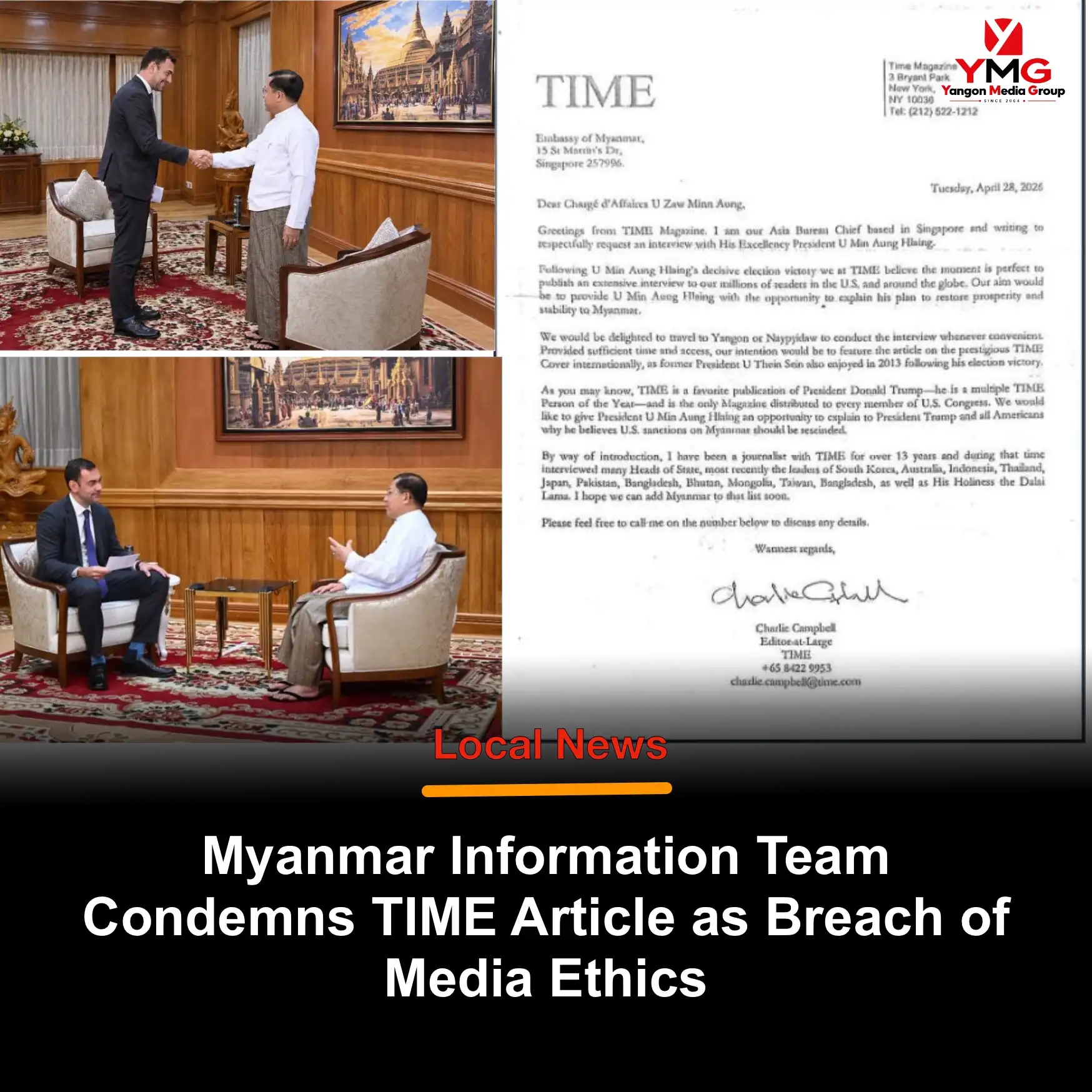
Sept. 23, 2026 — Myanmar’s Information Team condemned an article by TIME correspondent Charlie Campbell as a breach of media ethics, saying the magazine had sought an interview with the president for a story on Myanmar’s future and peace efforts but published an article that departed from the subjects initially discussed.
According to the statement, TIME approached the Myanmar Embassy in Singapore to request an interview for a piece titled “the Future of Myanmar.” The proposed story would cover what the statement described as the state’s historic role in preserving the Union and national unity, its efforts to maintain stability, and the achievements of peace talks. The president agreed to meet Campbell and answered his questions, the statement said.
The team said TIME subsequently published an article online rather than presenting the interview in a question-and-answer format. It said the article did not accurately reflect the president’s responses and included interviews with other people, commentary and material outside the scope of the initial discussions.
The statement further said TIME had used language that could mislead international audiences about Myanmar and its government. It said the president’s full exchange with Campbell would be released separately.
တရုတ်သမ္မတ ရှီကျင့်ဖျင်ဟာ အမေရိကန်နိုင်ငံကို သုံးရက်ကြာ နိုင်ငံတော်ခရီးစဉ် စတင်ဖို့ စက်တင်ဘာ ၂၃ ရက် ဗုဒ္ဓဟူးနေ့မှာ အန်ဒရူးစ် ပူးတွဲစစ်အခြေစိုက်စခန်းကို ရောက်ရှိလာခဲ့ပါတယ်။
၂၀၂၆ ခုနှစ်၊ အောက်တိုဘာလ ၁၅ ရက်တွင် ကျရောက်သည့် တစ်နိုင်ငံလုံးပစ်ခတ် တိုက်ခိုက်မှုရပ်စဲရေးသဘောတူစာချုပ် (NCA) ချုပ်ဆိုခြင်း (၁၁) နှစ်မြောက် နှစ်ပတ်လည်နေ့ မိန့်ခွန်း၌ နိုင်ငံတော်သမ္မတ ဦးမင်းအောင်လှိုင်က ငြိမ်းချမ်းရေး၊ အမျိုးသားစည်းလုံးညီညွတ်ရေးနှင့် ဒီမိုကရေစီ၊ ဖက်ဒရယ်စနစ်ကို အခြေခံသည့် ပြည်ထောင်စုတည်ဆောက်ရေးတို့ကို အလေးထားပြောကြားခဲ့သည်။ ကြိုတင်ကန့်သတ်ချက်မထားသည့် ငြိမ်းချမ်းရေးဆွေးနွေးပွဲများသို့ ပါဝင်ရန် ထပ်မံဖိတ်ခေါ်ခဲ့ပြီး သဘောထားကွဲလွဲမှုများကို ဆွေးနွေးညှိနှိုင်းဖြေရှင်းရေး၊ လူနည်းစုအခွင့်အရေးကို လေးစားရေးနှင့် ငြိမ်းချမ်းရေး၊ ဖွံ့ဖြိုးရေးတို့ကို ဟန်ချက်ညီဆောင်ရွက်ရေးတို့ကိုလည်း ထည့်သွင်းပြောကြားခဲ့သည်။ မိန့်ခွန်းပါ အဓိကသဘောထားများနှင့် ရှေ့ဆက်ဆောင်ရွက်မည့် လုပ်ငန်းစဉ်များကို အချက် ၁၂ ချက်ဖြင့် အောက်ပါအတိုင်း ကောက်နှုတ်ဖော်ပြပါသည်။
၁။ ငြိမ်းချမ်းရေးလုပ်ငန်းစဉ်၏ အခြေခံအုတ်မြစ်အဖြစ် NCA ကို အလေးထားခြင်း
NCA သည် အပစ်အခတ်ရပ်စဲရေးသဘောတူညီချက်သာမက လက်နက်ကိုင်ပဋိပက္ခများကို နိုင်ငံရေးနည်းလမ်းဖြင့် ဖြေရှင်းရန်နှင့် ဒီမိုကရေစီ၊ ဖက်ဒရယ်စနစ်ကို အခြေခံသည့် ပြည်ထောင်စု တည်ဆောက်ရန် သဘောတူထားသည့် နိုင်ငံရေးကတိကဝတ်နှင့် မူဘောင်ဖြစ်ကြောင်း ပြောကြားသည်။
၂။ ကြိုတင်ကန့်သတ်ချက်မထားဘဲ ငြိမ်းချမ်းရေးဆွေးနွေးရန် ဖိတ်ခေါ်ခြင်း
NCA လက်မှတ်ရေးထိုးထားသည့် အဖွဲ့များနှင့် လက်မှတ်မရေးထိုးရသေးသည့် အဖွဲ့များအားလုံးကို တွေ့ဆုံဆွေးနွေးရန် ဖိတ်ခေါ်ထားကြောင်း ပြောကြားသည်။ အထူးသဖြင့် KNU၊ CNF နှင့် ABSDF တို့ကို ငြိမ်းချမ်းရေးဆွေးနွေးပွဲများတွင် ပါဝင်ရန် ထပ်မံဖိတ်ခေါ်သည်။
၃။ PDF အဖွဲ့များကို ဥပဒေဘောင်အတွင်း ဝင်ရောက်ရန် တိုက်တွန်းခြင်း
PDF အဖွဲ့များအနေဖြင့် နိုင်ငံနှင့် ပြည်သူ့အကျိုးကို ရှေးရှုပြီး ဥပဒေဘောင်အတွင်း ဝင်ရောက်လာကြရန် တိုက်တွန်းသည်။ ဒီမိုကရေစီရည်မှန်းချက်များကို စည်းကမ်းရှိသည့် ဒီမိုကရေစီကျင့်စဉ်များ၊ အကြမ်းမဖက်သည့် နည်းလမ်းများဖြင့် ဆောင်ရွက်ရန် ပြောကြားသည်။
၄။ သဘောထားကွဲလွဲမှုများကို တွေ့ဆုံဆွေးနွေး၍ ဖြေရှင်းရန် တိုက်တွန်းခြင်း
လက်နက်ကိုင်အဖွဲ့အစည်းများ၊ နိုင်ငံရေးပါတီများ၊ လူမှုအဖွဲ့အစည်းများနှင့် ပြည်သူများအနေဖြင့် သဘောထားကွဲလွဲမှုများကို တွေ့ဆုံဆွေးနွေးညှိနှိုင်း၍ အဖြေရှာရန် တိုက်တွန်းသည်။ ဖြစ်သင့်ဖြစ်ထိုက် သည့်အရာများနှင့် လက်တွေ့ဖြစ်နိုင်သည့်အရာများအပေါ် အခြေခံပြီး ပူးပေါင်းဆောင်ရွက်ရန် ပြောကြားသည်။
၅။ ရှိပြီးသားကတိကဝတ်များကို လေးစားလိုက်နာ၍ NCA ကို ဆက်လက်အကောင်အထည်ဖော်ခြင်း
သက်ဆိုင်သူအားလုံးအနေဖြင့် ရှိပြီးသား NCA သဘောတူညီချက်များနှင့် ကတိကဝတ်များကို လေးစား လိုက်နာရန် တိုက်တွန်းသည်။ NCA လက်မှတ်မရေးထိုးရသေးသည့် တိုင်းရင်းသားလက်နက်ကိုင် အဖွဲ့အစည်းများ ပါဝင်လက်မှတ်ရေးထိုးနိုင်ရေးအတွက်လည်း ဆက်လက်ဖိတ်ခေါ်ညှိနှိုင်းသွားမည်ဟု ပြောကြားသည်။
၆။ ယခင်ရရှိထားသည့် သဘောတူညီချက်များကို ဆက်လက်အကောင်အထည်ဖော်ခြင်း
ဖွဲ့စည်းပုံအခြေခံဥပဒေတွင် ပြင်ဆင်ဖြည့်စွက်သင့်သည့် အချက် ၄၃ ချက် နှင့် ပြည်ထောင်စု သဘောတူ စာချုပ် အစိတ်အပိုင်း ၁၊ ၂၊ ၃ တို့ကို ပြည်ထောင်စုလွှတ်တော်၌ ဆွေးနွေးအတည်ပြုပြီး အပိုင်းလိုက် အကောင်အထည်ဖော်သွားမည်ဟု ပြောကြားသည်။
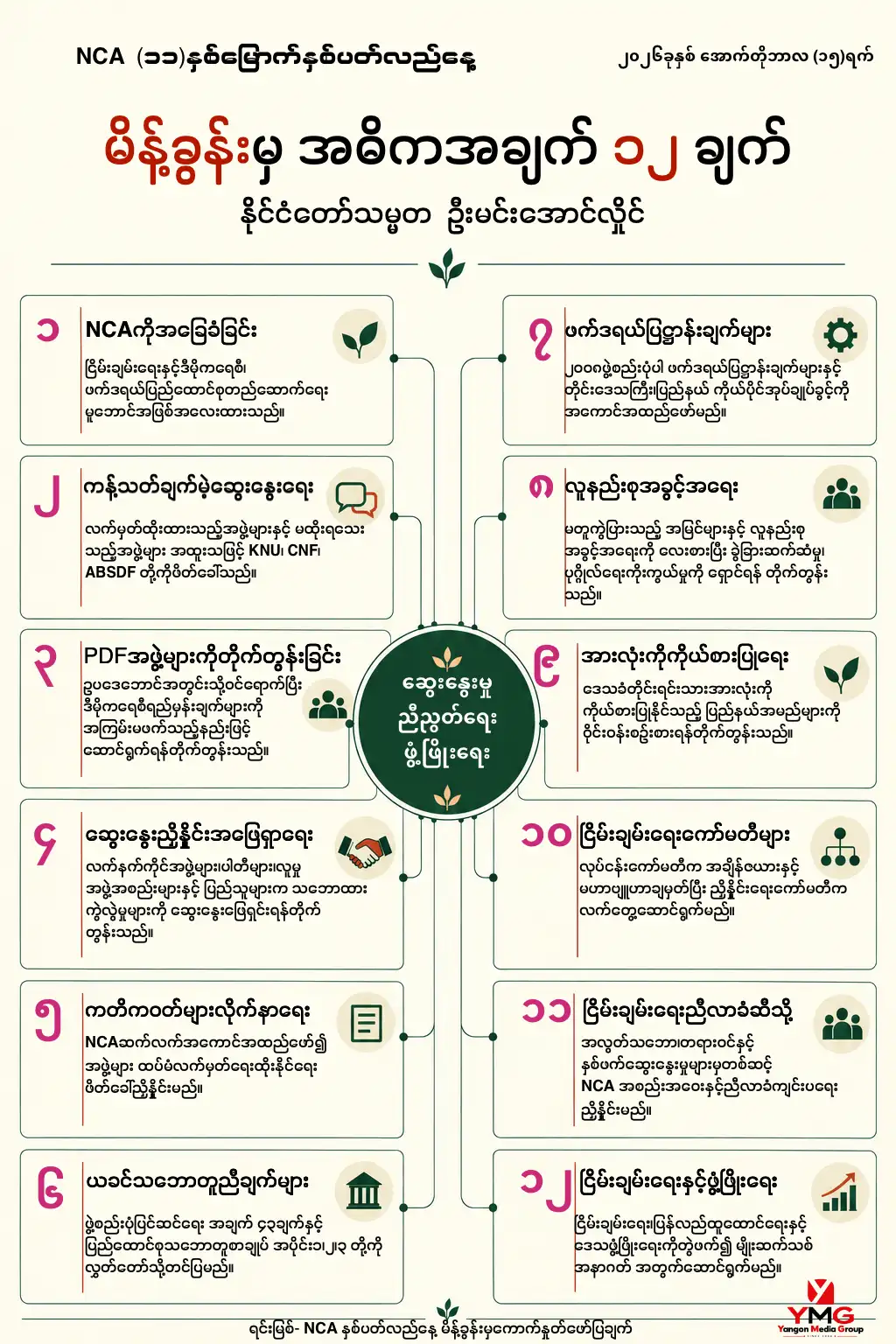
၇။ ၂၀၀၈ ဖွဲ့စည်းပုံအခြေခံဥပဒေပါ ဖက်ဒရယ်ဆိုင်ရာပြဋ္ဌာန်းချက်များကို အကောင်အထည်ဖော်ခြင်း
၂၀၀၈ ခုနှစ် ဖွဲ့စည်းပုံအခြေခံဥပဒေတွင် ပါရှိသည့် ဖက်ဒရယ်ဆိုင်ရာပြဋ္ဌာန်းချက်များကို ထိရောက်စွာ အကောင်အထည်ဖော်သွားမည်ဟု ပြောကြားသည်။ ဖက်ဒရယ်စနစ်ကို ဖွဲ့စည်းပုံအခြေခံဥပဒေနှင့်အညီ အာဏာခွဲဝေကျင့်သုံးခြင်းဟု ရှင်းလင်းပြီး တိုင်းဒေသကြီးနှင့် ပြည်နယ်များ၏ ကိုယ်ပိုင်အုပ်ချုပ်ခွင့်၊ ဥပဒေပြုခွင့်နှင့် တရားစီရင်ခွင့်တို့ကို ဖော်ပြသည်။
၈။ လူနည်းစုအခွင့်အရေးနှင့် မတူကွဲပြားသည့် သဘောထားများကို လေးစားခြင်း
အများဆန္ဒကို လေးစားသကဲ့သို့ လူနည်းစု၏ဆန္ဒနှင့် အခွင့်အရေးများကိုလည်း အလေးထားရန် ပြောကြားသည်။ သဘောထားမတူသူများကို ရန်သူအဖြစ်သတ်မှတ်ခြင်း၊ ခွဲခြားဆက်ဆံခြင်း၊ လူ့အသိုင်း အဝိုင်းမှ ဖယ်ကြဉ်ခြင်းနှင့် ပုဂ္ဂိုလ်ရေးကိုးကွယ်မှုတို့ကို ရှောင်ရှားရန် တိုက်တွန်းသည်။
၉။ ဒေသခံတိုင်းရင်းသားအားလုံးကို ကိုယ်စားပြုနိုင်သည့် ပြည်နယ်အမည်များ စဉ်းစားခြင်း
ပြည်နယ်တစ်ခုသည် ထိုဒေသတွင် နေထိုင်သည့် တိုင်းရင်းသားအားလုံးနှင့် သက်ဆိုင်ကြောင်း ပြောကြား သည်။ ဒေသခံအားလုံးကို ကိုယ်စားပြုနိုင်မည့် ပြည်နယ်အမည်သတ်မှတ်ရေးနှင့်ပတ်သက်၍ အမျိုးသား စည်းလုံးညီညွတ်ရေးကို ရှေးရှုပြီး ဝိုင်းဝန်းစဉ်းစားအဖြေရှာရန် တိုက်တွန်းသည်။
၁၀။ ငြိမ်းချမ်းရေးကော်မတီများကို ပြင်ဆင်ဖွဲ့စည်း၍ တာဝန်ခွဲဝေခြင်း
ငြိမ်းချမ်းရေးဖော်ဆောင်မှု ဗဟိုကော်မတီ၊ လုပ်ငန်းကော်မတီနှင့် ညှိနှိုင်းရေးကော်မတီတို့ကို ပြင်ဆင် ဖွဲ့စည်းထားကြောင်း ပြောကြားသည်။ လုပ်ငန်းကော်မတီက အချိန်ဇယားနှင့် မဟာဗျူဟာများ ချမှတ်ပေးပြီး ညှိနှိုင်းရေးကော်မတီက လက်တွေ့အကောင်အထည်ဖော်ဆောင်ရွက်ရမည်ဟု တာဝန် ခွဲဝေထားသည်။
၁၁။ ငြိမ်းချမ်းရေးညီလာခံကျင်းပနိုင်ရေးအထိ ဆက်လက်ညှိနှိုင်းခြင်း
အလွတ်သဘောဆွေးနွေးမှုများ၊ တရားဝင်ဆွေးနွေးမှုများနှင့် ပစ်ခတ်တိုက်ခိုက်မှုရပ်စဲရေး ခိုင်မာစေရန် နှစ်ဖက်ဆွေးနွေးပွဲများကို ဆက်လက်ဆောင်ရွက်သွားမည်ဟု ပြောကြားသည်။ NCA အရ တရားဝင် အစည်းအဝေးများနှင့် ငြိမ်းချမ်းရေးညီလာခံ ကျင်းပနိုင်ရေးအထိ ညှိနှိုင်းသွားမည်ဟု ဖော်ပြသည်။
၁၂။ ငြိမ်းချမ်းရေးနှင့် ဖွံ့ဖြိုးတိုးတက်ရေးကို ဟန်ချက်ညီ ဆောင်ရွက်ခြင်း
ငြိမ်းချမ်းရေးသည် ပြန်လည်ထူထောင်ရေး၊ ဒေသဖွံ့ဖြိုးရေး၊ ပညာရေး၊ ကျန်းမာရေးနှင့် လူမှုစီးပွားဘဝ တိုးတက်ရေးတို့နှင့် တိုက်ရိုက်ဆက်စပ်ကြောင်း အလေးထားပြောကြားသည်။ မျိုးဆက်သစ်များအတွက် တည်ငြိမ်သည့်အနာဂတ်နှင့် ဖွံ့ဖြိုးတိုးတက်သည့် လူ့အဖွဲ့အစည်းကို လက်ဆင့်ကမ်းပေးနိုင်ရေး ရေရှည်ဆောင်ရွက်သွားမည်ဟု ပြောကြားသည်။
အရင်းအမြစ်- နိုင်ငံတော်သမ္မတ၏ မိန့်ခွန်းအပြည့်အစုံ

နေပြည်တော်၊ အောက်တိုဘာ ၁၅
တစ်နိုင်ငံလုံးပစ်ခတ်တိုက်ခိုက်မှုရပ်စဲရေးသဘောတူစာချုပ် (NCA) နှင့်ဆက်စပ်၍ ဆွေးနွေးသဘောတူထားသည့် အချက် ၄၃ ချက်နှင့် ပြည်ထောင်စုသဘောတူညီချက် (Union Accord) အပိုင်း ၁၊ ၂၊ ၃ တို့ကို လွှတ်တော်တွင် ဆက်လက်ဆွေးနွေးဆောင်ရွက်သွားမည်ဖြစ်ကြောင်း နိုင်ငံတော်သမ္မတ ဦးမင်းအောင်လှိုင်က အောက်တိုဘာ ၁၅ ရက် မွန်းလွဲပိုင်း နေပြည်တော်ရှိ နိုင်ငံတော်သမ္မတရုံးတော်၌ တိုင်းရင်းသားလက်နက်ကိုင်အဖွဲ့များမှ ခေါင်းဆောင်များ၊ ကိုယ်စားလှယ်များနှင့် တွေ့ဆုံစဉ် ပြောကြားသည်။ အဆိုပါတွေ့ဆုံပွဲတွင် ပြည်တွင်းငြိမ်းချမ်းရေးလုပ်ငန်းစဉ်များ ဆက်လက်အကောင်အထည်ဖော်ရေးနှင့် ပူးပေါင်းဆောင်ရွက်ရေးတို့ကို ဆွေးနွေးခဲ့ကြသည်။
အစိုးရတာဝန်ယူသည့် ငါးနှစ်အတွင်း ပြည်တွင်းငြိမ်းချမ်းရေးရရှိအောင် ဆောင်ရွက်မည်ဟု လွှတ်တော်၌ ပြောကြားထားပြီးဖြစ်ကြောင်း၊ ပူးပေါင်းဆောင်ရွက်နိုင်သူများနှင့် လက်တွဲသွားမည်ဖြစ်ကာ လက်တွဲဆောင်ရွက်၍ မရသူများနှင့်ပတ်သက်၍လည်း နည်းလမ်းရှာဖွေဆောင်ရွက်သွားမည်ဖြစ်ကြောင်း နိုင်ငံတော်သမ္မတက ပြောကြားသည်။ ငြိမ်းချမ်းရေးလုပ်ငန်းစဉ်များ ပြီးပြတ်အောင် ဝိုင်းဝန်းကြိုးပမ်းခြင်းဖြင့် နိုင်ငံပြန်လည်ထူထောင်ရေးနှင့် ဖွံ့ဖြိုးရေးလုပ်ငန်းများကို အမြန်ဆုံးဆောင်ရွက်နိုင်မည်ဖြစ်ကြောင်းလည်း တိုက်တွန်းသည်။
အစိုးရ၏ နိုင်ငံရေးရည်မှန်းချက်များမှာ ပါတီစုံဒီမိုကရေစီစနစ် ခိုင်မာရေးနှင့် ဒီမိုကရေစီ၊ ဖက်ဒရယ်စနစ်တို့ကို အခြေခံသည့် ပြည်ထောင်စုတည်ဆောက်ရေးဖြစ်ပြီး တိုင်းရင်းသားအားလုံး ပါဝင်ဆောင်ရွက်ရန် လိုအပ်ကြောင်း ၎င်းက ပြောကြားသည်။ တိုင်းဒေသကြီးနှင့် ပြည်နယ်များတွင် တိုင်းရင်းသားလူမျိုးပေါင်းစုံ ရောယှက်နေထိုင်ကြသဖြင့် ဒေသတစ်ခုသည် ထိုဒေသတွင် နေထိုင်သူအားလုံးနှင့် သက်ဆိုင်သည်ဟူသည့် သဘောထားနှင့် ပြည်ထောင်စုစိတ်ဓာတ်ကို အလေးထားကြရန်လည်း တိုက်တွန်းခဲ့သည်။
တိုင်းရင်းသားလက်နက်ကိုင်အဖွဲ့များအနေဖြင့် ငြိမ်းချမ်းရေးရယူပြီးနောက် နိုင်ငံရေးတွင် ပါဝင်လိုပါက ဥပဒေနှင့်အညီ ပါတီတည်ထောင်နိုင်ကြောင်း၊ စီးပွားရေးလုပ်ငန်းများကိုလည်း ဥပဒေနှင့်အညီ ဆောင်ရွက်နိုင်ကြောင်း နိုင်ငံတော်သမ္မတက ပြောကြားသည်။ ကာကွယ်ရေးတာဝန် ထမ်းဆောင်လိုသူများအတွက် တပ်မတော်နှင့်ပူးပေါင်း၍ နယ်ခြားစောင့်တပ်ဖွဲ့များအဖြစ် တာဝန်ထမ်းဆောင်ရန်နှင့် အရပ်သားအဖြစ် နေထိုင်လိုသူများအတွက် ဥပဒေအကာအကွယ်အောက်၌ လုံခြုံစွာနေထိုင်နိုင်ရန် လမ်းကြောင်းများကို ယခင်ကတည်းက ပြောကြားထားကြောင်း ထည့်သွင်းဆွေးနွေးသည်။
တက်ရောက်လာသည့် တိုင်းရင်းသားလက်နက်ကိုင်အဖွဲ့ ခေါင်းဆောင်များနှင့် ကိုယ်စားလှယ်များက NCA လက်မှတ်ရေးထိုးမှုမှ စတင်ခဲ့သည့် လမ်းကြောင်းအတိုင်း ပြည်တွင်းငြိမ်းချမ်းရေးရရှိရန် ဆက်လက်ပူးပေါင်းဆောင်ရွက်သွားမည်ဖြစ်ကြောင်း ပြောကြားကြသည်။ ငြိမ်းချမ်းရေးသည် နိုင်ငံဖွံ့ဖြိုးတိုးတက်မှုအတွက် မရှိမဖြစ်လိုအပ်ပြီး လက်နက်ကိုင်အဖွဲ့များအနေဖြင့် တွေ့ဆုံဆွေးနွေးအဖြေရှာရေးတွင် ပါဝင်ကြရန်နှင့် အေးချမ်းစွာနေထိုင်လုပ်ကိုင်လိုသည့် ပြည်သူများနှင့်အတူ ငြိမ်းချမ်းရေးအတွက် ဆောင်ရွက်ရန် လိုအပ်ကြောင်း ဆွေးနွေးခဲ့ကြသည်။
ဒေသဖွံ့ဖြိုးရေးအတွက် တည်ငြိမ်အေးချမ်းမှုနှင့် ပညာတတ်လူသားအရင်းအမြစ်များ လိုအပ်သဖြင့် အဆင့်မြင့်ပညာနှင့် အသက်မွေးဝမ်းကျောင်းပညာ တတ်မြောက်သူများ ပိုမိုများပြားလာရေး ဆောင်ရွက်ကြရန် နိုင်ငံတော်သမ္မတက တိုက်တွန်းသည်။ ထို့ပြင် လက်နက်ကိုင်အဖွဲ့များအနေဖြင့် အွန်လိုင်းလိမ်လည်လောင်းကစားမှုနှင့် မူးယစ်ဆေးဝါးလုပ်ငန်းများမှ ကင်းရှင်းရန်လိုအပ်ပြီး ယင်းလုပ်ရပ်များကို ဥပဒေနှင့်အညီ အရေးယူတိုက်ဖျက်သွားမည်ဖြစ်ကြောင်း ပြောကြားခဲ့သည်။
NCA (၁၁) နှစ်မြောက် နှစ်ပတ်လည်အခမ်းအနားသို့ တက်ရောက်ခဲ့သူများနှင့် ပြုလုပ်သည့် ယင်းတွေ့ဆုံပွဲသို့ ကရင်တိုင်းရင်းသားခေါင်းဆောင် စောမူတူးစေးဖိုး၊ ALP၊ DKBA၊ LDU၊ NMSP၊ RCSS၊ KNU/KNLA-PC၊ SSPP နှင့် ရှမ်းနီအမျိုးသားများညီညွတ်ရေးကောင်စီတို့မှ ခေါင်းဆောင်များ၊ ကိုယ်စားလှယ်များ တက်ရောက်ကြသည်။ အစိုးရဘက်မှ ကာကွယ်ရေးဝန်ကြီးဌာန ပြည်ထောင်စုဝန်ကြီး၊ အမျိုးသားစည်းလုံးညီညွတ်ရေးနှင့် ငြိမ်းချမ်းရေးဖော်ဆောင်မှုညှိနှိုင်းရေးကော်မတီဥက္ကဋ္ဌ ဒုတိယဗိုလ်ချုပ်ကြီး ရာပြည့်နှင့် တာဝန်ရှိသူများ တက်ရောက်ခဲ့ကြသည်။

ကေစီရှာမား ရေးသားသည်
နိုင်ငံတကာစီးပွားရေး အခင်းအကျင်းသည် အရေးပါသော အပြောင်းအလဲများကို ဖြတ်သန်းလျက်ရှိသည်။ ကုန်သွယ်ရေး၊ ဘဏ္ဍာရေး၊ နည်းပညာနှင့် စွမ်းအင်ကဏ္ဍများတွင် ပြိုင်ဆိုင်မှုများ မြင့်တက်လာခြင်းက ဖွံ့ဖြိုးဆဲနိုင်ငံများအား မိမိတို့၏ ပြည်ပမိတ်ဖက်ဆက်ဆံရေးများကို ပြန်လည်သုံးသပ်ရန် တွန်းအား ပေးလျက်ရှိသည်။ ရှိနှင့်ပြီးဖြစ်သော နိုင်ငံတကာအဖွဲ့အစည်းများနှင့်အတူ BRICS ကဲ့သို့သော နိုင်ငံအစုအဖွဲ့များသည်လည်း ဝင်ရိုးစုံကမ္ဘာစနစ်၊ ဖွံ့ဖြိုးရေးဘဏ္ဍာငွေနှင့် ကမ္ဘာ့စီမံအုပ်ချုပ်မှုစနစ်တွင် ထွန်းသစ်စစီးပွားရေးနိုင်ငံများ၏ ပါဝင်ကိုယ်စားပြုမှုတို့နှင့် ပတ်သက်သည့် ဆွေးနွေးမှုများ၌ ပိုမိုအရေး ပါလာသည်။
မြန်မာနိုင်ငံအတွက် အဆိုပါအပြောင်းအလဲများသည် နိုင်ငံတကာပူးပေါင်းဆောင်ရွက်မှုကို တိုးချဲ့ရန် အခွင့်အလမ်းများ ဖြစ်ပေါ်စေသည်။ နိုင်ငံ၏ ဖွံ့ဖြိုးရေးဦးစားပေးလုပ်ငန်းများကို အကောင်အထည် ဖော်ရာတွင် ရင်းနှီးမြှုပ်နှံမှုရရှိနိုင်ရေး၊ အခြေခံအဆောက်အအုံများ ခေတ်မီတိုးတက်ရေးနှင့် ယုံကြည် စိတ်ချရသော စွမ်းအင်ထောက်ပံ့မှုရရှိရေးတို့သည် အရေးပါသော ရည်မှန်းချက်များအဖြစ် ဆက်လက် တည်ရှိနေသည်။ မိတ်ဖက်နိုင်ငံအဆင့်အတန်း ရရှိရေးအပါအဝင် BRICS နှင့် ပိုမိုနီးကပ်စွာ ဆက်ဆံပူး ပေါင်းခြင်းသည် ဘဏ္ဍာရေး၊ နည်းပညာနှင့် စွမ်းအင်ကဏ္ဍတို့တွင် ပူးပေါင်းဆောင်ရွက်ရန် နောက်ထပ် လမ်းကြောင်းတစ်ခု ဖြစ်လာနိုင်သည်။
ဤသို့ ပူးပေါင်းဆောင်ရွက်ရန် စဉ်းစားသင့်သည့် အခြေခံအကြောင်းရင်းမှာ မြန်မာနိုင်ငံ၏ ရွေးချယ်စရာ များကို ပိုမိုကျယ်ပြန့်စေနိုင်ခြင်းဖြစ်သည်။ ယင်း၏ အကျိုးတန်ဖိုးသည် ပါဝင်ဆောင်ရွက်နိုင်မည့် အတိုင်းအတာ၊ အလားအလာရှိသော မိတ်ဖက်နိုင်ငံများ၏ ပူးပေါင်းဆောင်ရွက်လိုစိတ်နှင့် သံတမန်ရေး ဆက်ဆံမှုမှတစ်ဆင့် လက်တွေ့အကောင်အထည်ဖော်နိုင်သော စီမံကိန်းများ ဖော်ဆောင်နိုင်မည့် မြန်မာ နိုင်ငံ၏ စွမ်းဆောင်ရည်တို့အပေါ် မူတည်မည်ဖြစ်သည်။ ထို့ကြောင့် BRICS နှင့် မိတ်ဖက်ပူးပေါင်း ဆောင်ရွက်ရေးကို ပိုမိုကျယ်ပြန့်သော စွမ်းအင်လုံခြုံရေးမဟာဗျူဟာ၏ အစိတ်အပိုင်းတစ်ရပ်အဖြစ် သုံးသပ်သင့်သည်။
ဘဏ္ဍာရေးနှင့် စီးပွားရေးမိတ်ဖက်ဆက်ဆံမှုများ တိုးချဲ့ခြင်း
မြန်မာနိုင်ငံ၏ စွမ်းအင်ဦးစားပေးလုပ်ငန်းများသည် ရင်းနှီးမြှုပ်နှံမှုရရှိနိုင်ခြင်းနှင့် နီးကပ်စွာ ဆက်စပ်နေ သည်။ အခြေခံအဆောက်အအုံများ ခေတ်မီတိုးတက်ရေးအတွက် စဉ်ဆက်မပြတ် ဘဏ္ဍာငွေရရှိရန် လိုအပ်သည်။ တစ်ချိန်တည်းတွင် လက်ရှိပိတ်ဆို့အရေးယူမှုများနှင့် ပြောင်းလဲလျက်ရှိသော ပြည်တွင်း အခြေအနေများသည် နိုင်ငံတကာရင်းနှီးမြှုပ်နှံသူများနှင့် ဘဏ္ဍာရေးအဖွဲ့အစည်းများ၏ ဆက်ဆံပူးပေါင်း မှု အရှိန်အဟုန်နှင့် အတိုင်းအတာတို့အပေါ် သက်ရောက်နိုင်သည်။ ဘဏ္ဍာရေးမိတ်ဖက်ဆက်ဆံမှုများ တိုးချဲ့ခြင်းက နိုင်ငံ၏ အခြေခံအဆောက်အအုံနှင့် စွမ်းအင်ဖွံ့ဖြိုးရေး ရည်မှန်းချက်များကို အထောက် အကူပြုနိုင်သည်။
BRICS နိုင်ငံများနှင့် ပိုမိုနီးကပ်စွာ ပူးပေါင်းဆောင်ရွက်ခြင်းသည် မြန်မာနိုင်ငံ၏ စီးပွားရေးဆက်ဆံ မှုများကို ပိုမိုစုံလင်စေနိုင်သည်။ ကုန်သွယ်ရေး၊ ဘဏ္ဍာငွေရရှိရေးနှင့် သယ်ယူပို့ဆောင်ရေးဆိုင်ရာ အစီအစဉ်များ ထပ်မံဖော်ဆောင်ခြင်းက ပြည်ပဆက်သွယ်ဆောင်ရွက်ရေး လမ်းကြောင်းအနည်းငယ် အပေါ် မှီခိုနေရမှုကို လျှော့ချနိုင်ပြီး ရေရှည်မိတ်ဖက်ဆက်ဆံမှုများ တည်ဆောက်ရန် အခွင့်အလမ်းများ ဖန်တီးပေးနိုင်သည်။
BRICS တွင် အီရန်နိုင်ငံ ပါဝင်လာခြင်းသည် အနောက်နိုင်ငံများ၏ ပိတ်ဆို့အရေးယူမှုများနှင့် ရင်ဆိုင်နေ ရသော နိုင်ငံများက အဆိုပါအစုအဖွဲ့အတွင်း ဆက်ဆံရေးများ တိုးချဲ့ရန် စိတ်ဝင်စားကြောင်း ပြသသည့် ဥပမာတစ်ခုဖြစ်သည်။ သို့သော် အီရန်၏ အတွေ့အကြုံကို မြန်မာနိုင်ငံအတွက် တိုက်ရိုက် အသုံးချနိုင်သော ပုံစံတစ်ခုဟု ယူဆ၍မရပါ။ ပူးပေါင်းဆောင်ရွက်မှုမှ ရရှိနိုင်မည့် အကျိုးကျေးဇူးများသည် နိုင်ငံတစ်နိုင်ငံချင်းစီ၏ စီးပွားရေးအခြေအနေ၊ အဖွဲ့အစည်းဆိုင်ရာ အစီအစဉ်များနှင့် အခြား ပါဝငသည့် နိုင်ငံများအကြား ဆက်ဆံရေးတို့အပေါ် မူတည်မည်ဖြစ်သည်။
အခြေခံအဆောက်အအုံနှင့် ဖွံ့ဖြိုးရေးဘဏ္ဍာငွေ ပံ့ပိုးပေးရာတွင် ပါဝင်သည့် အခန်းကဏ္ဍကြောင့် ဖွံ့ဖြိုး ရေးဘဏ်သစ် (New Development Bank—NDB) သည်လည်း ဤဆွေးနွေးမှုနှင့် ဆက်စပ်နေသည်။ BRICS နှင့် ပိုမိုနီးကပ်စွာ ဆက်ဆံခြင်းက အနာဂတ်တွင် အဆိုပါဘဏ်နှင့် ဆက်စပ်သော ပူးပေါင်း ဆောင်ရွက်မှုများအတွက် အထောက်အကူဖြစ်နိုင်ခြင်း ရှိ၊ မရှိကို မြန်မာနိုင်ငံအနေဖြင့် လေ့လာနိုင်သည်။ သို့သော် ယင်းအလားအလာများကို သက်ဆိုင်ရာအခြေအနေများနှင့် ချိန်ဆသုံးသပ်ရမည်ဖြစ်ပြီး မိတ်ဖက် နိုင်ငံအဆင့်အတန်း ရရှိခြင်းကို NDB ဘဏ္ဍာငွေ အလိုအလျောက်ရရှိခွင့်နှင့် တူညီသည်ဟု မဖော်ပြ သင့်ပါ။
နိုင်ငံသုံးငွေကြေးများဖြင့် ဘဏ္ဍာငွေ ပံ့ပိုးပေးရေးကိုလည်း ထည့်သွင်းစဉ်းစားသင့်သည်။ စီးပွားရေးအရ အကောင်အထည်ဖော်နိုင်သည့် အခြေအနေတွင် ယင်းက ငွေပေးချေမှုအစီအစဉ်များကို ပိုမိုစုံလင်စေပြီး နိုင်ငံခြားငွေလဲနှုန်းနှင့် ဆက်စပ်သော အန္တရာယ်အချို့ကို လျှော့ချနိုင်သည်။ ထိရောက်မှုမှာ ငွေကြေး တည်ငြိမ်မှု၊ ငွေဖြစ်လွယ်မှုနှင့် ငွေချေးသူများ၊ ပစ္စည်းပေးသွင်းသူများ၏ လိုလားချက်တို့အပေါ် မူတည် မည်ဖြစ်သည်။
အလားတူ ရှင်းလင်းစွာ သတ်မှတ်ထားသော စီမံကိန်းဖွဲ့စည်းပုံများနှင့် သင့်လျော်သော အငြင်းပွားမှု ဖြေရှင်းရေး အစီအစဉ်များက ရင်းနှီးမြှုပ်နှံသူတို့၏ ယုံကြည်မှုကို မြှင့်တင်ပေးနိုင်သည်။ ယင်းယန္တရား များကို သေချာစွာ ရေးဆွဲအကောင်အထည်ဖော်ရန် လိုအပ်ပြီး နိုင်ငံရေး၊ ဘဏ္ဍာရေး သို့မဟုတ် လုပ်ငန်း လည်ပတ်မှုဆိုင်ရာ အန္တရာယ်များကို အလုံးစုံဖယ်ရှားပေးနိုင်မည်ဟုတော့ မယူဆသင့်ပါ။
နိုင်ငံ၏ အခြေအနေများနှင့် ကိုက်ညီသော စွမ်းအင်ကူးပြောင်းရေး
BRICS ၏ ပူးပေါင်းဆောင်ရွက်ရေးမူဘောင်တွင် ဖော်ပြထားသော စွမ်းအင်ဆိုင်ရာ ချဉ်းကပ်မှု၏ အဓိက လက္ခဏာတစ်ရပ်မှာ နိုင်ငံအသီးသီး၏ အခြေအနေများနှင့် ဖွံ့ဖြိုးရေးဦးစားပေးလုပ်ငန်းများကို ထည့်သွင်း စဉ်းစားသည့် စွမ်းအင်ကူးပြောင်းရေးကို အလေးထားခြင်းဖြစ်သည်။ မြန်မာနိုင်ငံအတွက် ဤမူသည် လက်တွေ့အရ ဆက်စပ်အရေးပါသည်။ စွမ်းအင်မူဝါဒသည် လက်ရှိလျှပ်စစ်ဓာတ်အား လိုအပ်ချက်များကို ဖြည့်ဆည်းပေးရင်း ရေရှည်ခေတ်မီတိုးတက်ရေးနှင့် ကာဗွန်ထုတ်လွှတ်မှု လျှော့ချရေးကိုလည်း အထောက်အကူပြုရမည်ဖြစ်သည်။
ယုံကြည်စိတ်ချရသော လျှပ်စစ်ဓာတ်အားသည် စက်မှုလုပ်ငန်းများ၊ ပြည်သူ့ဝန်ဆောင်မှုများနှင့် အိမ်ထောင်စုများ၏ လူနေမှုဘဝအတွက် မရှိမဖြစ်လိုအပ်သည်။ ထို့ကြောင့် စွမ်းအင်ကူးပြောင်းရေး မူဝါဒ များတွင် ကုန်ကျစရိတ်ကို တတ်နိုင်ခြင်း၊ ထောက်ပံ့မှုအဆက်မပြတ်ရှိခြင်းနှင့် နည်းပညာအသစ်များကို လက်ခံအသုံးချနိုင်မည့် လျှပ်စစ်ဓာတ်အားစနစ်၏ စွမ်းရည်တို့ကို ထည့်သွင်းစဉ်းစားရန် လိုအပ်သည်။
ဤမူဘောင်အတွင်း ကျောက်မီးသွေးနှင့် သဘာဝဓာတ်ငွေ့အပါအဝင် သမားရိုးကျလောင်စာများသည် အဆင့်လိုက်ကူးပြောင်းရေးကာလတွင် ဆက်လက်ပါဝင်နေဖွယ်ရှိသည်။ ယင်းတို့ကို ဆက်လက်အသုံးပြု ခြင်းနှင့်ပတ်သက်၍ ထောက်ပံ့မှု၏ ယုံကြည်စိတ်ချရမှု၊ စီးပွားရေးအရ တွက်ခြေကိုက်မှု၊ ပတ်ဝန်းကျင် အပေါ် သက်ရောက်မှုနှင့် အစားထိုးရွေးချယ်စရာများ ရရှိနိုင်ခြင်းတို့နှင့် ချိန်ဆသုံးသပ်သင့်သည်။
တဖြည်းဖြည်းချင်း ကူးပြောင်းသည့် ချဉ်းကပ်မှုက မြန်မာနိုင်ငံအား လျှပ်စစ်ဓာတ်အားကွန်ရက် အားကောင်းစေရန်၊ ပိုမိုသန့်ရှင်းသော ဓာတ်အားထုတ်လုပ်မှု ဖွံ့ဖြိုးလာစေရန်နှင့် စွမ်းအင်အသုံးချမှု ထိရောက်စေရန် အချိန်ပေးနိုင်သည်။ သို့သော် လက်ရှိလိုအပ်ချက်များကို ဖြည့်ဆည်းရန် ဆောင်ရွက် သည့် အစီအမံများက နိုင်ငံ၏ ရေရှည်ဖွံ့ဖြိုးရေးလိုအပ်ချက်များကိုပါ အထောက်အကူပြုစေရန် အဆင့် လိုက်ဆောင်ရွက်မှုတွင် ရှင်းလင်းသော ရည်မှန်းချက်များ ပါရှိသင့်သည်။
BRICS နှင့် ပိုမိုနီးကပ်စွာ ပူးပေါင်းဆောင်ရွက်ခြင်းသည် အဆိုပါကိစ္စရပ်များနှင့် ပတ်သက်၍ အတွေ့ အကြုံဖလှယ်ရန် အခွင့်အလမ်းများ ဖန်တီးပေးနိုင်သည်။ မူဝါဒပိုင်းအရ ရရှိနိုင်မည့် အကျိုးကျေးဇူးမှာ လက်တွေ့ပူးပေါင်းဆောင်ရွက်မှုကို အခြေခံ၍ ကုန်ကျစရိတ်တတ်နိုင်ပြီး စနစ်တကျရှိသော စွမ်းအင် ကူးပြောင်းရေးကို ပိုမိုပြောင်းလွယ်ပြင်လွယ် ရေးဆွဲနိုင်ခြင်းဖြစ်သည်။
စွမ်းအင်နည်းပညာများ ရရှိနိုင်မှု တိုးချဲ့ခြင်း
သမားရိုးကျစွမ်းအင် လိုအပ်ချက်များကို အသိအမှတ်ပြုခြင်းနှင့်အတူ BRICS နိုင်ငံများတွင် ပြန်လည် ပြည့်ဖြိုးမြဲစွမ်းအင်နှင့် အခြားနည်းပညာများဆိုင်ရာ အင်အားကောင်းသော စွမ်းဆောင်ရည်များလည်း ရှိနေသည်။ အစုအဖွဲ့၏ စွမ်းအင်ပူးပေါင်းဆောင်ရွက်ရေး လမ်းပြအစီအစဉ်တွင် ပူးတွဲသုတေသန၊ ရင်းနှီးမြှုပ်နှံမှုနှင့် နည်းပညာပူးပေါင်းဆောင်ရွက်မှု အခွင့်အလမ်းများကို ဖော်ပြထားသည်။
အဆိုပါစွမ်းဆောင်ရည်များသည် မြန်မာနိုင်ငံ၏ အခြေခံအဆောက်အအုံ လိုအပ်ချက်များနှင့် ဆက်စပ် နေသည်။ တရုတ်နိုင်ငံသည် ဆိုလာပစ္စည်းထုတ်လုပ်မှု၊ ဘက်ထရီနှင့် ဆက်စပ်ထောက်ပံ့ရေး ကွင်းဆက်များတွင် အားကောင်းသော အနေအထားရှိသည်။ ရုရှားနိုင်ငံတွင် အဆင့်မြင့်နျူကလီးယား နည်းပညာများ ရှိပြီး ဘရာဇီးနိုင်ငံတွင် ဇီဝလောင်စာဆိုင်ရာ အတွေ့အကြုံများစွာ ရှိသည်။ ယင်းနိုင်ငံများ နှင့် ပူးပေါင်းဆောင်ရွက်ခြင်းက မြန်မာနိုင်ငံအတွက် ထည့်သွင်းစဉ်းစားနိုင်သော နည်းပညာနှင့် စက်ကိရိယာအမျိုးအစားများကို ပိုမိုကျယ်ပြန့်စေနိုင်သည်။
သို့သော် ယင်းတို့ကို ရရှိအသုံးချနိုင်ခြင်းသည် တိကျသော သဘောတူညီချက်များ၊ ဘဏ္ဍာငွေဆိုင်ရာ အစီအစဉ်များနှင့် စီမံကိန်း၏ သင့်လျော်မှုတို့အပေါ် မူတည်မည်ဖြစ်သည်။ မြန်မာနိုင်ငံအနေဖြင့် နည်းပညာများကို ကုန်ကျစရိတ်၊ လိုအပ်သော အခြေခံအဆောက်အအုံ၊ အကောင်အထည်ဖော်ရန် ကြာ ချိန်နှင့် ပြည်တွင်းလုပ်ငန်းလည်ပတ်နိုင်စွမ်းတို့အပေါ် အခြေခံ၍ သုံးသပ်ရန် လိုအပ်သည်။
ဥပမာအားဖြင့် လျှပ်စစ်ဓာတ်အားရရှိမှု တိုးတက်စေရေး အစီအစဉ်များအတွင်း ဆိုလာ ဓာတ်အားထုတ်လုပ်မှုနှင့် စွမ်းအင်သိုလှောင်မှုတို့ကို ထည့်သွင်းစဉ်းစားနိုင်သည်။ ဇီဝလောင်စာဆိုင်ရာ ပူးပေါင်းဆောင်ရွက်မှုကိုလည်း ပြည်တွင်းအရင်းအမြစ် အခြေအနေများနှင့် ချိန်ဆသုံးသပ်နိုင်သည်။ နျူကလီးယားဆိုင်ရာ ပူးပေါင်းဆောင်ရွက်မှုအတွက်မူ အဖွဲ့အစည်းဆိုင်ရာ စွမ်းဆောင်ရည်၊ ဘဏ္ဍာငွေနှင့် ရေရှည်လုပ်ငန်းလည်ပတ်မှု တာဝန်များကို အထူးဂရုပြု သုံးသပ်ရန် လိုအပ်မည်ဖြစ်သည်။
နည်းပညာပူးပေါင်းဆောင်ရွက်ရေး၏ အခိုင်မာဆုံး အခြေခံမှာ ပြည်ပကျွမ်းကျင်မှုများကို ရှင်းလင်းစွာ သတ်မှတ်ထားသော နိုင်ငံ၏ လိုအပ်ချက်များနှင့် ကိုက်ညီစွာ အသုံးချခြင်းဖြစ်သည်။ ကုန်ကျစရိတ် တတ်နိုင်သော စက်ကိရိယာများသည် ကျွမ်းကျင်မှုဖွံ့ဖြိုးရေး၊ ပြုပြင်ထိန်းသိမ်းနိုင်စွမ်းနှင့် ရေရှည်လည် ပတ်မှုကို အထောက်အကူပြုသည့် အစီအစဉ်များနှင့် တွဲဖက်လာသည့်အခါ ပိုမိုအကျိုးရှိမည်ဖြစ်သည်။
ထောက်ပံ့ရေးကွင်းဆက်များ၏ ခံနိုင်ရည် အားကောင်းစေခြင်း
BRICS သည် အဓိကစွမ်းအင်တင်ပို့သည့် နိုင်ငံများနှင့် စွမ်းအင်သုံးစွဲမှု များပြားသော စီးပွားရေး နိုင်ငံများကို စုစည်းထားသည်။ ဤဖွဲ့စည်းမှုသည် စွမ်းအင်ထောက်ပံ့မှု လုံခြုံရေး၊ ရင်းနှီးမြှုပ်နှံမှုနှင့် စွမ်းအင်ကုန်သွယ်ရေးတို့ကို ဆွေးနွေးရန် အသုံးဝင်နိုင်သော ပူးပေါင်းဆောင်ရွက်ရေး အခင်းအကျင်း တစ်ခု ဖြစ်စေသည်။
မြန်မာနိုင်ငံအတွက် ဤကွန်ရက်အတွင်း ပိုမိုနီးကပ်သော ဆက်ဆံရေးများ တည်ဆောက်ခြင်းက ပေးသွင်း(ထောက်ပံ့)သူများ ပိုမိုစုံလင်လာစေရေးနှင့် မရှိမဖြစ်လိုအပ်သော စွမ်းအင်အရင်းအမြစ်များ ရရှိနိုင်မှု အားကောင်းစေရေးတို့ကို အထောက်အကူပြုနိုင်သည်။ ဟော်မုဇ်ရေလက်ကြားကို ဖြတ်သန်း သည့် လမ်းကြောင်းများအပါအဝင် ရှိနှင့်ပြီးဖြစ်သော ထောက်ပံ့ရေးလမ်းကြောင်းများတွင် ပထဝီနိုင်ငံရေး တင်းမာမှုများကြောင့် အနှောင့်အယှက်ဖြစ်ပေါ်သည့်အခါ ယင်းပူးပေါင်းဆောင်ရွက်မှုသည် ပိုမိုအရေး ပါလာနိုင်သည်။
သို့ရာတွင် သံတမန်ရေးအစုအဖွဲ့တစ်ခု၌ ပါဝင်ခြင်းတစ်ခုတည်းက စွမ်းအင်ပေးပို့မှု အဆက်မပြတ်ရှိရေး သို့မဟုတ် နိုင်ငံတကာဈေးနှုန်း အတက်အကျများမှ ကာကွယ်နိုင်ရေးကို အာမခံပေးနိုင်မည်မဟုတ်ပါ။ လက်တွေ့ထောက်ပံ့မှု လုံခြုံရေးသည် လောင်စာရရှိနိုင်ခြင်း၊ သယ်ယူပို့ဆောင်ရေး အခြေခံ အဆောက် အအုံ၊ စီးပွားရေးစာချုပ်များနှင့် ပေးပို့မှုအစီအစဉ်များ၏ ခံနိုင်ရည်တို့အပေါ် မူတည်သည်။
ထို့ကြောင့် လက်တွေ့ရည်မှန်းချက်မှာ ပိုမိုကျယ်ပြန့်ပြီး အားထားနိုင်သော ထောက်ပံ့ရေးကွန်ရက်တစ်ခု ဖော်ဆောင်ရန်ဖြစ်သင့်သည်။ BRICS နိုင်ငံများနှင့် ပူးပေါင်းဆောင်ရွက်ခြင်းသည် စီးပွားရေးအရ အကောင်အထည်ဖော်နိုင်သော သဘောတူညီချက်များနှင့် အထောက်အကူပြု အခြေခံအဆောက်အအုံ များအတွက် ရင်းနှီးမြှုပ်နှံမှုတို့မှတစ်ဆင့် ယင်းရည်မှန်းချက်ကို အထောက်အကူပြုနိုင်သည်။
ထောက်ပံ့ရေးအရင်းအမြစ်များ ပိုမိုစုံလင်လာစေရေးတွင် ပေးသွင်းသူအနည်းငယ်အပေါ် စုစည်းမှီခိုမှု ကြောင့် ဖြစ်ပေါ်နိုင်သော အန္တရာယ်များကိုလည်း အလေးထားရန် လိုအပ်သည်။ မြန်မာနိုင်ငံ၏ စွမ်းအင် မဟာဗျူဟာသည် ဈေးကွက်အခြေအနေများနှင့် ပေးသွင်းသူတစ်ဦးချင်းစီ၏ အခြေအနေများ ပြောင်းလဲ လာသည့်အခါ လိုက်လျောညီထွေ တုံ့ပြန်နိုင်မည့် အနေအထားကို ထိန်းသိမ်းထားသင့်သည်။
လက်တွေ့ကျသော ပူးပေါင်းဆောင်ရွက်ရေးမူဘောင်
BRICS ၏ မိတ်ဖက်နိုင်ငံအဆင့်အတန်း ရရှိရေး ကြိုးပမ်းခြင်းသည် မြန်မာနိုင်ငံ၏ နိုင်ငံတကာ ပူးပေါင်း ဆောင်ရွက်မှုကို တိုးချဲ့ရန် သင့်လျော်သော ခြေလှမ်းတစ်ရပ် ဖြစ်လာနိုင်သည်။ ဖြစ်နိုင်ခြေရှိသော အကျိုး ကျေးဇူးများတွင် စွမ်းအင်ဆိုင်ရာ ဆက်ဆံရေး ပိုမိုအားကောင်းလာခြင်း၊ နည်းပညာရရှိနိုင်မှု ကျယ်ပြန့် လာခြင်းနှင့် ဖွံ့ဖြိုးရေးဘဏ္ဍာငွေ ရရှိရေးအတွက် နောက်ထပ်အခွင့်အလမ်းများကို လေ့လာနိုင်ခြင်းတို့ ပါဝင်သည်။
ယင်းအကျိုးကျေးဇူးများကို လက်တွေ့ရရှိရန် ဦးတည်ချက်ရှင်းလင်းသော လုပ်ငန်းအစီအစဉ်တစ်ရပ် လိုအပ်မည်ဖြစ်သည်။ မြန်မာနိုင်ငံအနေဖြင့် ဦးစားပေးစီမံကိန်းများ သတ်မှတ်ခြင်း၊ ဘဏ္ဍာငွေဆိုင်ရာ စည်းကမ်းချက်များ သုံးသပ်ခြင်းနှင့် ယုံကြည်စိတ်ချရသော အကောင်အထည်ဖော်ရေး အစီအစဉ်များ ချမှတ်ခြင်းတို့ကို ဆောင်ရွက်ရန် လိုအပ်သည်။ ပြည်တွင်းတည်ငြိမ်မှုနှင့် အခြေခံအဆောက်အအုံ ရင်းနှီးမြှုပ်နှံမှုများကို စီမံခန့်ခွဲနိုင်စွမ်းတို့သည် ပြည်ပပူးပေါင်းဆောင်ရွက်မှု အောင်မြင်ရေးအတွက် အဓိကကျနေမည်ဖြစ်သည်။
BRICS နှင့် ဆက်ဆံပူးပေါင်းမှုကို ဒေသတွင်းမိတ်ဖက်များ၊ အခြားဖွံ့ဖြိုးရေးအဖွဲ့အစည်းများနှင့် အပြု သဘောဆောင်သော ဆက်ဆံရေးများ ဆက်လက်ထိန်းသိမ်းသည့် ပိုမိုကျယ်ပြန့်သော ချဉ်းကပ်မှု၏ အစိတ်အပိုင်းတစ်ရပ်အဖြစ်လည်း ဖော်ဆောင်နိုင်သည်။ မိတ်ဖက်ဆက်ဆံမှုများ စုံလင်သော သံတမန် ရေးနှင့် စီးပွားရေးမဟာဗျူဟာက မြန်မာနိုင်ငံအား မိမိ၏ လိုအပ်ချက်များနှင့် ကိုက်ညီသော အစီအစဉ် များ ဖော်ဆောင်ရန် ပိုမိုကျယ်ပြန့်သော အခွင့်အလမ်း ပေးနိုင်သည်။
BRICS နှင့် မိတ်ဖက်ပူးပေါင်းဆောင်ရွက်ရေးကို စဉ်းစားသင့်သည့် အခိုင်မာဆုံး အကြောင်းရင်းမှာ စွမ်းအင်နှင့် ဘဏ္ဍာငွေဆိုင်ရာ လိုအပ်ချက်များ မြင့်မားနေချိန်တွင် လက်တွေ့ရွေးချယ်စရာများ တိုးချဲ့ ပေးနိုင်ခြင်းဖြစ်သည်။ လက်တွေ့နှင့်ကိုက်ညီသော မျှော်မှန်းချက်များ၊ သေချာစွာရွေးချယ်ထားသော စီမံကိန်းများနှင့် စဉ်ဆက်မပြတ် အကောင်အထည်ဖော်မှုတို့ ရှိပါက ပိုမိုနီးကပ်သော ပူးပေါင်း ဆောင်ရွက်မှုသည် ခံနိုင်ရည်ရှိသည့် စွမ်းအင်စနစ်တစ်ရပ်နှင့် မြန်မာနိုင်ငံ၏ ဖွံ့ဖြိုးရေးအခြေအနေများနှင့် ကိုက်ညီသော စွမ်းအင်ကူးပြောင်းရေးကို အထောက်အကူပြုနိုင်သည်။
ဝင်ရိုးစုံပိုမိုဖြစ်ပေါ်လာနေသည့် ကမ္ဘာတွင် ယုံကြည်စိတ်ချရသော လျှပ်စစ်ဓာတ်အား၊ ကုန်ကျစရိတ် တတ်နိုင်သော စွမ်းအင်နှင့် ရေရှည်အသုံးခံသော အခြေခံအဆောက်အအုံများ ဖော်ဆောင်ပေးနိုင်သည့် ပူးပေါင်းဆောင်ရွက်မှုသည် မြန်မာနိုင်ငံ၏ အကျိုးစီးပွားကို အထောက်အကူပြုမည်ဖြစ်သည်။ BRICS နှင့် မိတ်ဖက်ပူးပေါင်းဆောင်ရွက်ရေးသည် ယင်းရည်မှန်းချက်များသို့ ဦးတည်နိုင်သော လမ်းကြောင်းတစ်ခု ဖြစ်ပြီး ၎င်း၏ အကျိုးတန်ဖိုးကို နောက်ဆုံးတွင် နိုင်ငံ့စီးပွားရေးနှင့် ပြည်သူများအတွက် ရရှိလာသော လက်တွေ့အကျိုးကျေးဇူးများဖြင့် တိုင်းတာသင့်ကြောင်းသုံးသပ်ရေးသားရပါသည်။
(ဘာသာပြန်ဆောင်းပါး)

#Local_News
Published 12 October 2026
■ ရန်ကုန်မြို့တော် စည်ပင်သာယာနယ်နိမိတ်အတွင်း သတ်မှတ်ထားသည့်နေရာများမှ လမ်းဖြတ်ကူးခြင်းမရှိဘဲ စည်းကမ်းဖောက်ဖျက်သူများကို ယနေ့ အောက်တိုဘာ ၁၂ ရက်မှစတင်၍ ထိရောက်စွာ အရေးယူဆောင်ရွက်သွားမည်ဖြစ်ကြောင်း ရန်ကုန်တိုင်းဒေသကြီး ယာဉ်အန္တရာယ်၊ လမ်းအန္တရာယ်ကင်းရှင်းရေးကောင်စီက အသိပေးကြေညာထားသည်။
■ ရန်ကုန်မြို့တော် စည်ပင်သာယာနယ်နိမိတ်အတွင်း ခြေလျင်သွားလာသူများသည် လမ်းဖြတ်ကူးရာတွင် သတ်မှတ်ထားသည့် မြေအောက်လမ်း၊ ခုံးကျော်တံတား၊ လူကူးမျဉ်းကျား (သို့မဟုတ်) ခွင့်ပြုထားသည့်နေရာများမှသာ စည်းကမ်းတကျ ဖြတ်ကူးကြရမည်ဖြစ်ကြောင်းသိရသည်။
■ အဆိုပါ သတ်မှတ်ထားသည့်နေရာများမှ ဖြတ်ကူးခြင်းမရှိဘဲ စည်းကမ်းဖောက်ဖျက်သူများကို ၂၀၂၀ ပြည့်နှစ်၊ ယာဉ်အန္တရာယ်ကင်းရှင်းရေးနှင့် မော်တော်ယာဉ်စီမံခန့်ခွဲမှုဥပဒေ ပုဒ်မ ၉၆ အရ အရေးယူဆောင်ရွက်သွားမည်ဖြစ်ကြောင်း သိရသည်။
#YMG/NN #Yangon_Times
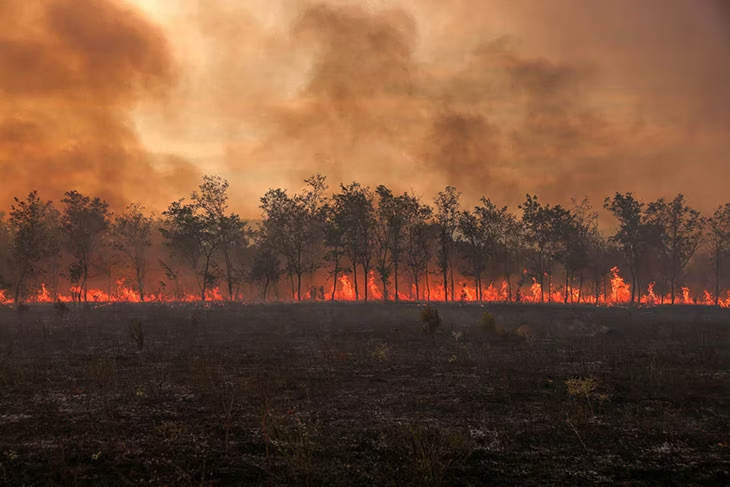
ဧရာမ ‘အပူလှိုင်းမုန်တိုင်းကြီးများ’ က ကမ္ဘာမြေကို ပူပြင်းလောင်ကျွမ်းစေလျက်ရှိသည်။ ဤသည်မှာ သမိုင်းတစ်လျှောက် စံချိန်တင် အကြီးမားဆုံး အပူလှိုင်းမုန်တိုင်းကြီးအကြောင်း ဖြစ်သည်။
၂၀ အောက်တိုဘာ၊၂၀၂၆-
ရိုက်တာ (Reuters) သတင်းဌာန၏ လေ့လာဆန်းစစ်ချက်အရ ယခင်က သီးခြားဖြစ်ပေါ်လေ့ရှိသော သာမန် "အပူလှိုင်း (Heat waves)" များသည် ယခုအခါ ကမ္ဘာ့မျက်နှာပြင် ကျယ်ပြန့်စွာကို လပေါင်းများစွာ သို့မဟုတ် နှစ်ချီ၍ ဖုံးလွှမ်းနိုင်သည့် ဧရာမ "အပူလှိုင်းမုန်တိုင်းများ (Heat storms)" အဖြစ် အသွင်ကူးပြောင်းလာပြီဖြစ်ကြောင်းဖော်ပြထားသည်။
အပူလှိုင်းမုန်တိုင်း (Heat Storm) သတ်မှတ်ချက်နှင့် စိုးရိမ်ဖွယ် ကိန်းဂဏန်းများ
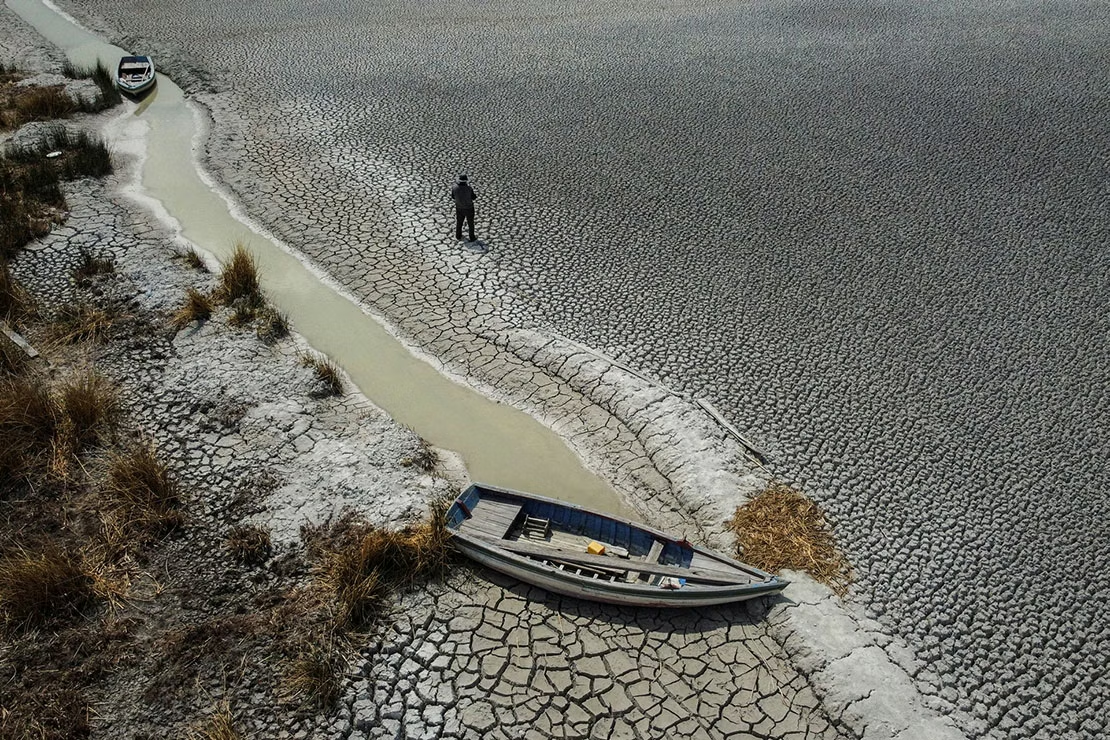
Heat Storm Vera ၏ ကမ္ဘာလုံးဆိုင်ရာ အဖျက်စွမ်းအား (၂၀၂၃ ဇူလိုင် - ၂၀၂၄ ဇူလိုင်)
ရက်ပေါင်း ၃၆၇ ရက်ကြာ တိုက်ခတ်ခဲ့ပြီး ကမ္ဘာ့မျက်နှာပြင် ၈၅ ရာခိုင်နှုန်းအထိ ဖုံးလွှမ်းခဲ့သော ဆိုးရွားသည့် မုန်တိုင်းကြီးဖြစ်သည်။ အီရန်နိုင်ငံ Lut သဲကန္တာရတွင် ၅၃.၃ ဒီဂရီဆဲလ်စီးယပ်စ်အထိ စံချိန်တင်မြင့်တက်ခဲ့ပြီး ကမ္ဘာတစ်ဝန်း အောက်ပါ ဘေးအန္တရာယ်များကို ဆက်တိုက်ဖြစ်ပေါ်စေခဲ့သည် -
စံချိန်သစ်တင်ခဲ့သည့် Heat Storm Raimundo (၂၀၂၆)
Heat Storm Vera သည် ၎င်း၏သက်တမ်းတစ်လျှောက် ကမ္ဘာ့မျက်နှာပြင်၏ ၈၅ ရာခိုင်နှုန်းနီးပါးကို ဖြတ်သန်းခဲ့ပြီး စံချိန်တင်ခဲ့သည့်အပြင်၊ ၂၀၂၄ ခုနှစ် ဇန်နဝါရီလ ၅ ရက်နေ့တွင် ၎င်း၏အမြင့်ဆုံးအခြေအနေ၌ ကမ္ဘာ့မျက်နှာပြင်၏ ၃၁.၃ ရာခိုင်နှုန်းအထိ ဖုံးလွှမ်းနိုင်ခဲ့ကာ အကြီးမားဆုံးစံချိန်ကို တင်နိုင်ခဲ့သည်။ သို့သော် ယခုနှစ် (၂၀၂၆) နွေရာသီတွင် ထိုစံချိန်များကို Heat Storm Raimundo က ချိုးဖျက်သွားခဲ့သည်။
Heat Storm Raimundo အပူလှိုင်းမုန်တိုင်းကြီးသည် ဥရောပတစ်ခွင်ကို အလွန်အမင်း ပူပြင်းစေခဲ့ပြီး စပိန်နှင့် ပြင်သစ်နိုင်ငံတို့တွင် ဧရာမ တောမီးလောင်ကျွမ်းမှုကြီးများကို ဖြစ်ပေါ်စေခဲ့သည်။ ဩဂုတ်လ ၂၈ ရက်နေ့တွင် Raimundo သည် ကမ္ဘာ့မျက်နှာပြင်၏ ၃၃.၈ ရာခိုင်နှုန်းအထိ ကျယ်ပြန့်စွာ ဖုံးလွှမ်းနိုင်ခဲ့ပြီး Vera ၏ အမြင့်ဆုံးလွှမ်းခြုံနိုင်မှုစံချိန်ကို ကျော်လွန်သွားခဲ့သည်။ ၂၀၂၆ ခုနှစ် ဖေဖော်ဝါရီလ ၂၈ ရက်နေ့တွင် စတင်ဖြစ်ပေါ်ခဲ့သော ဤမုန်တိုင်းသည် လက်ရှိအချိန်အထိ ကမ္ဘာ့မျက်နှာပြင်၏ ၇၅ ရာခိုင်နှုန်းနီးပါး (လေးပုံ သုံးပုံခန့်) ကို ထိတွေ့ဖြတ်သန်းခဲ့ပြီးဖြစ်သည်။
Vera နှင့် Raimundo အပူလှိုင်းမုန်တိုင်းကြီး နှစ်ခုစလုံးသည် အရည်ပျော်နေသော နီပေါရေခဲမြစ်ပေါ်တွင် အချိန်အတိုင်းအတာတစ်ခုအထိ ဖုံးလွှမ်းတိုက်ခတ်ခဲ့ကြသည်။ ဩဂုတ်လ ၂၆ ရက်နေ့တွင် အဆိုပါရေခဲမြစ်ကြီး ပြိုကျပျက်စီးခဲ့ပြီး၊ ဆိုးရွားပြင်းထန်သော ရုတ်တရက် ရေကြီးရေလျှံမှုများနှင့် ရွှံ့နွံများပြိုကျမှု (နီပေါနိုင်ငံ၊ Devighat ဒေသ) တို့ ဆက်တိုက်ဖြစ်ပေါ်ခဲ့ကာ လူထောင်ပေါင်းများစွာ အသက်ဆုံးရှုံးခဲ့ရသည်။ ကနဦး လေ့လာတွေ့ရှိချက်များအရ အပူချိန်မြင့်တက်လာမှုများသည် ရေခဲမြစ်နှင့် ၎င်း၏အောက်ခံကျောက်လွှာများကို အားနည်းကာ ပြိုကျစေရန် အဓိက တွန်းအားပေးခဲ့ကြောင်း သိရသည်။
အဆိုပါရေခဲမြစ်ကြီး မပြိုကျမီအချိန်အထိ ၎င်းဧရိယာသည် ယခုဆယ်စုနှစ်အတွင်း အချိန်၏ ၅၈ ရာခိုင်နှုန်းခန့်ကို အပူလှိုင်း သို့မဟုတ် အပူလှိုင်းမုန်တိုင်းများအောက်တွင် ဖြတ်သန်းခဲ့ရသည်။ (၁၉၆၀ ပြည့်လွန်နှစ်များက ၇ ရာခိုင်နှုန်းသာ ရှိခဲ့သည်။) ပိုမိုဆိုးရွားသည့်အချက်မှာ ရေခဲမြစ်ကြီး မပြိုကျမီ ခြောက်ရက်တိတိ အဆိုပါနေရာကို Heat Storm Raimundo က အပြည့်အဝ ဖုံးလွှမ်းထားခဲ့ခြင်းဖြစ်သည်။
Raimundo ၏ အဖျက်စွမ်းအားသည် ယခုအချိန်အထိ ပြီးဆုံးမသွားသေးပေ။ မုန်တိုင်းသက်တမ်းမှာ ရက်ပေါင်း ၂၃၅ ရက်ရှိနေပြီဖြစ်ကာ ကမ္ဘာကြီးကို ဆက်လက် အပူလောင်မြိုက်နေဆဲဖြစ်သည်။
(Source: ရိုက်တာသတင်းဌာနက သုတေသနပြုရေးသားထားသည့် Giant ‘heat storms’ are scorching the Earth. This is the story of the biggest one on record.ဆောင်းပါးကို ကောက်နှုတ်ဖော်ပြပေးပါသည်။)
By K. C. Sharma
The international economic order is undergoing significant change. Competition over trade, finance, technology and energy is encouraging developing countries to reassess their external partnerships. Alongside established international institutions, groupings such as BRICS have become increasingly relevant to debates about multipolarity, development finance and the representation of emerging economies in global governance.
For Myanmar, these developments offer opportunities to broaden international cooperation. As the country advances its development priorities, improving access to investment, modernizing infrastructure and securing reliable energy supplies remain important objectives. Closer engagement with BRICS, potentially through partner-country status, could provide an additional avenue for cooperation in finance, technology and energy.
The case for such engagement rests on its potential to broaden Myanmar’s options. Its value would depend on the scope of participation available, the willingness of prospective partners to cooperate and Myanmar’s capacity to translate diplomatic engagement into viable projects. BRICS partnership should therefore be assessed as a possible component of a wider energy-security strategy.
Broadening Financial and Economic Partnerships
Myanmar’s energy priorities are closely linked to the availability of investment. Infrastructure modernization requires sustained financing, while existing sanctions and evolving domestic conditions can influence the pace and scope of engagement by international investors and financial institutions. Broadening financial partnerships could help support the country’s infrastructure and energy development objectives.
Closer cooperation with BRICS countries could help diversify Myanmar’s economic relationships. The development of additional trade, financing and logistics arrangements may reduce dependence on a narrow range of external channels and create opportunities for longer-term partnerships.
Iran’s participation in BRICS illustrates the interest that countries facing Western sanctions have shown in expanding their relationships within the grouping. However, its experience cannot be assumed to offer a directly transferable model for Myanmar. The benefits of engagement would depend on each country’s economic circumstances, institutional arrangements and relationships with other participants.
The New Development Bank (NDB) is relevant to this discussion because of its role in infrastructure and development financing. Myanmar could explore whether closer engagement with BRICS might support future cooperation involving the bank. Such possibilities should remain conditional: partner-country status should not be presented as an automatic entitlement to NDB financing.
Local-currency financing also deserves consideration. Where commercially feasible, it could help diversify settlement arrangements and reduce certain foreign-exchange exposures. Its effectiveness would depend on currency stability, liquidity and the preferences of lenders and suppliers.
Similarly, clearly defined project structures and appropriate dispute-resolution arrangements could improve investment confidence. These mechanisms would require careful design and implementation; they should not be assumed to eliminate political, financial or operational risks.
An Energy Transition Responsive to National Circumstances
A central feature of the BRICS energy approach described in its cooperation framework is the emphasis on transitions that reflect national circumstances and development priorities. For Myanmar, this principle has practical relevance. Energy policy must address immediate electricity shortages while supporting longer-term modernization and decarbonization.
Reliable power is essential to industrial activity, public services and household welfare. Transition policies therefore need to consider affordability, supply continuity and the capacity of the electricity system to accommodate new technologies.
Within this framework, conventional fuels, including coal and gas, may continue to play a role during a phased transition. Their continued use should be evaluated against supply reliability, economic viability, environmental performance and the availability of alternatives.
A gradual approach can give Myanmar time to strengthen its electricity network, develop cleaner generation and improve energy efficiency. However, sequencing should be accompanied by clear objectives so that measures adopted to address immediate shortages support the country’s longer-term development needs.
Closer engagement with BRICS could provide opportunities to exchange experience on these questions. The relevant policy contribution would be greater flexibility in designing an affordable and orderly transition, supported by practical cooperation.
Expanding Access to Energy Technologies
The grouping’s recognition of conventional energy needs exists alongside substantial capabilities in renewable energy and other technologies. Its energy cooperation roadmap identifies opportunities for joint research, investment and technology collaboration.
These capabilities are relevant to Myanmar’s infrastructure requirements. China has a strong position in solar manufacturing, batteries and related supply chains. Russia possesses advanced nuclear technologies, while Brazil has extensive experience in biofuels. Cooperation with these countries could broaden the range of technologies and equipment available for consideration.
Access, however, would depend on specific agreements, financing arrangements and project suitability. Myanmar would need to assess technologies according to their costs, infrastructure requirements, implementation timelines and domestic operating capacity.
For example, solar generation and storage could be considered within plans to improve electricity availability, while biofuel cooperation could be assessed against domestic resource conditions. Nuclear cooperation would require particularly careful evaluation of institutional capacity, financing and long-term operational responsibilities.
The strongest case for technology cooperation lies in matching external expertise to clearly identified national needs. Affordable equipment would be most valuable when accompanied by skills development, maintenance capacity and arrangements that support sustained operation.
Strengthening Supply-Chain Resilience
BRICS brings together major energy exporters and substantial energy-consuming economies. This combination creates a potentially useful setting for dialogue on supply security, investment and energy trade.
For Myanmar, closer relationships within this network could support efforts to diversify suppliers and strengthen access to essential energy resources. Such cooperation may be especially relevant when geopolitical tensions disrupt established supply routes, including those passing through the Strait of Hormuz.
Nevertheless, participation in a diplomatic grouping cannot by itself ensure uninterrupted deliveries or protection from international price volatility. Physical supply security depends on the availability of fuel, transport infrastructure, commercial contracts and the resilience of delivery arrangements.
The practical objective should therefore be to develop a broader and more dependable supply network. Cooperation with BRICS countries could contribute to that objective through commercially viable agreements and investment in supporting infrastructure.
Diversification would also require attention to concentration risks. Myanmar’s energy strategy should preserve sufficient flexibility to respond to changing market conditions and the circumstances of individual suppliers.
A Pragmatic Framework for Engagement
Pursuing BRICS partner-country status could be a reasonable step toward expanding Myanmar’s international cooperation. Its potential advantages include stronger energy relationships, wider access to technology and additional opportunities to explore development financing.
Realizing these benefits would require a focused agenda. Myanmar would need to identify priority projects, assess financing terms and establish credible arrangements for implementation. Domestic stability and the capacity to manage infrastructure investments would remain central to the success of external cooperation.
Engagement with BRICS could also form part of a broader approach that maintains constructive relationships with regional partners and other development institutions. A diversified diplomatic and economic strategy would give Myanmar greater room to pursue arrangements suited to its needs.
The strongest argument for BRICS partnership is its potential to expand practical choices at a time of significant energy and financial pressure. With realistic expectations, carefully selected projects and sustained implementation, closer engagement could contribute to a more resilient energy system and a transition consistent with Myanmar’s development circumstances.
In an increasingly multipolar world, Myanmar’s interests would be served by cooperation that delivers reliable electricity, affordable energy and durable infrastructure. BRICS partnership offers a possible avenue toward those goals, whose value should ultimately be measured by tangible benefits for the economy and the people it serves.
Source: www.orfonline.org- The Case fir BRICS Cooperation: Energy Security and a Managed Energy Transition
တရုတ်သမ္မတ ရှီကျင့်ဖျင်ဟာ အမေရိကန်နိုင်ငံကို သုံးရက်ကြာ နိုင်ငံတော်ခရီးစဉ် စတင်ဖို့ စက်တင်ဘာ ၂၃ ရက် ဗုဒ္ဓဟူးနေ့မှာ အန်ဒရူးစ် ပူးတွဲစစ်အခြေစိုက်စခန်းကို ရောက်ရှိလာခဲ့ပါတယ်။
Sept. 23, 2026 — Myanmar’s Information Team condemned an article by TIME correspondent Charlie Campbell as a breach of media ethics, saying the magazine had sought an interview with the president for a story on Myanmar’s future and peace efforts but published an article that departed from the subjects initially discussed.
According to the statement, TIME approached the Myanmar Embassy in Singapore to request an interview for a piece titled “the Future of Myanmar.” The proposed story would cover what the statement described as the state’s historic role in preserving the Union and national unity, its efforts to maintain stability, and the achievements of peace talks. The president agreed to meet Campbell and answered his questions, the statement said.
The team said TIME subsequently published an article online rather than presenting the interview in a question-and-answer format. It said the article did not accurately reflect the president’s responses and included interviews with other people, commentary and material outside the scope of the initial discussions.
The statement further said TIME had used language that could mislead international audiences about Myanmar and its government. It said the president’s full exchange with Campbell would be released separately.
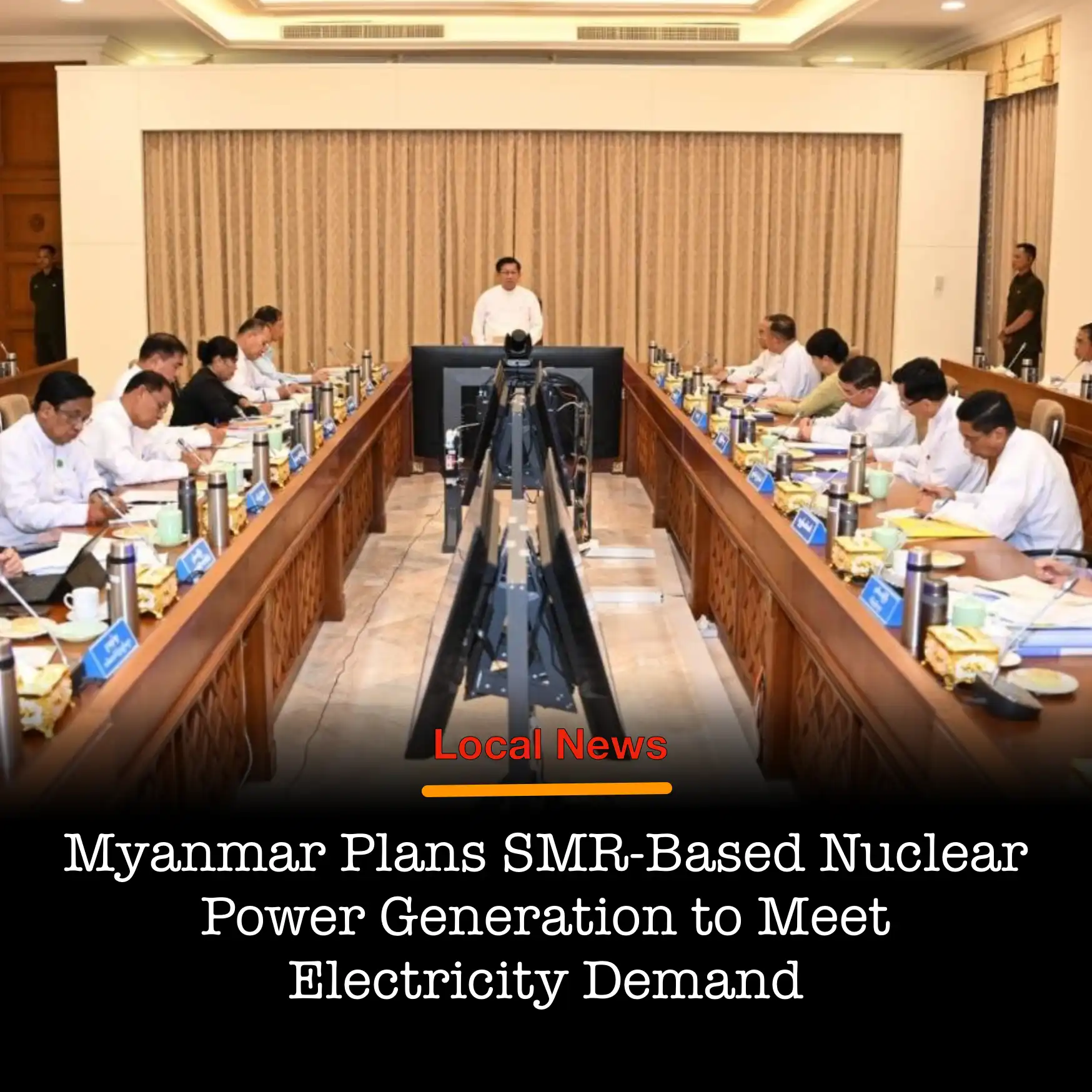
Nay Pyi Taw, September 23
Myanmar has included Small Modular Reactor (SMR)-based nuclear power generation as an option under its diversified energy policy to meet growing electricity demand and ensure long-term energy security, President U Min Aung Hlaing said on September 23.
He made the remarks at the first meeting of the National-Level Steering Committee for the Implementation of Nuclear Energy, held at the Presidential Office in Nay Pyi Taw. He said Myanmar’s energy policy should be based on an energy mix comprising renewable energy, natural gas and other energy sources, while nuclear energy should also be studied as an option for providing a stable supply of electricity.
The President said nuclear technology could be applied not only to electricity generation but also in healthcare, agriculture, food safety, industry and research. Its implementation, he added, should give priority to international standards and the “3S” principles of Safety, Security and Safeguards.
Regarding international cooperation, he said Myanmar would work with the International Atomic Energy Agency (IAEA) on technical cooperation, expert exchanges and human resource development. He also said agreements had been reached with Russia’s state-owned ROSATOM on cooperation in nuclear technology, human resource development and electricity generation using SMR technology.
U Min Aung Hlaing also called for the formulation of a Roadmap and Action Plans for future implementation, stronger coordination among relevant ministries, and greater emphasis on human resource development.
He said Myanmar’s nuclear energy programme should be based on the national interest, adding that cooperation with international partners should be assessed against the country’s long-term energy requirements, economic conditions, technological and human resource capabilities, and security situation. He also called for designated projects to be implemented in a timely manner.
Nay Pyi Taw, September 16, 2026
The Government of the Republic of the Union of Myanmar deported U.S. citizen Adam Michael Castillo, holder of Passport No. 565448449, from Nay Pyi Taw International Airport on the evening of September 16, 2026.
According to the official statement, the action was taken in the context of Myanmar’s policy of maintaining diplomatic relations and friendly cooperation with countries around the world.
Mr. Castillo was found to have violated rules and restrictions stipulated in the organizational bylaws of The American Chamber of Commerce in Myanmar (AmCham Myanmar). As a result, legal proceedings were initiated against him on June 8, 2026, under Panbetan Myoma Police Station Case No. (Pa) 69/2026, pursuant to Section 409 of the Penal Code.
Following the legal proceedings, the authorities deported Mr. Castillo in accordance with established laws and procedures.
The statement added that the decision was carried out with consideration for the friendly bilateral relations between the Republic of the Union of Myanmar and the United States of America.

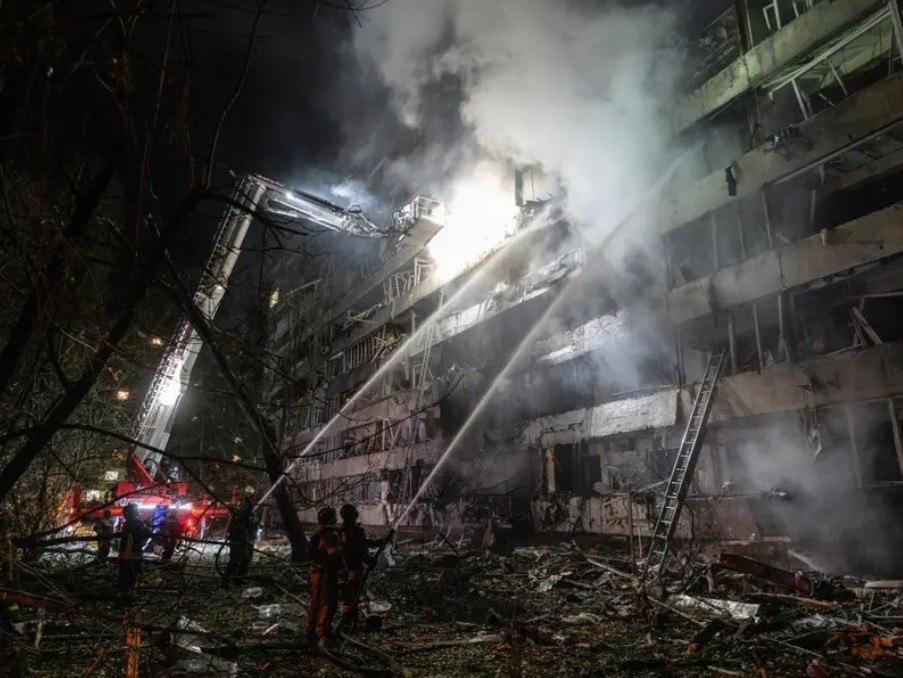
#World_News
Published 23 October 2026
■ အမေရိကန်သမ္မတ ဒေါ်နယ်ထရမ့်ဟာ SpaceX ကုမ္ပဏီအကြီးအကဲ အီလွန်မတ်စ်ကို ဗုဒ္ဓဟူးနေ့က ဖုန်းဆက်ပြီး ယူကရိန်းနိုင်ငံမှာ အသုံးပြုနေတဲ့ စစ်ဘက်ဆိုင်ရာ Starlink အင်တာနက်စနစ်အပေါ် ချမှတ်ထားတဲ့ ကန့်သတ်ချက်တွေကို ဖယ်ရှားပေးဖို့ တောင်းဆိုခဲ့တယ်လို့ အမေရိကန်အရာရှိတွေရဲ့ ပြောကြားချက်ကို ကိုးကားပြီး The Wall Street Journal က ဖော်ပြခဲ့ပါတယ်။
■ မတ်စ်ရဲ့ SpaceX ကုမ္ပဏီဟာ Starlink အင်တာနက်အမြန်နှုန်းကို ကန့်သတ်ထားခဲ့တာဖြစ်ပြီး ထရမ့်နဲ့ ဖုန်းပြောဆိုပြီးနောက် ကြာသပတေးနေ့မှာတော့ အင်တာနက်ဆက်သွယ်မှု ပုံမှန်အခြေအနေနဲ့ ပိုမိုနီးစပ်လာခဲ့တယ်လို့ အမေရိကန်နဲ့ ယူကရိန်းအရာရှိတွေက ပြောပါတယ်။
■ ဒါပေမဲ့ ကန့်သတ်ချက်အားလုံးကို အပြည့်အဝ ဖယ်ရှားနိုင်ခြင်း မရှိသေးဘူးလို့ ယူကရိန်းအရာရှိအချို့က ဆိုပါတယ်။ ဒါပေမယ့် ဆက်သွယ်မှုအမြန်နှုန်းကတော့ အရင်ကထက် တိုးတက်လာခဲ့ပါတယ်။
■ အရာရှိတွေရဲ့ အဆိုအရ ထရမ့်ဟာ Starlink ရဲ့ အမြန်နှုန်းကို တစ်နာရီ မိုင် ၁၀၀ ဝန်းကျင်မှာ ကန့်သတ်ထားတာနဲ့ပတ်သက်ပြီး မကျေနပ်ကြောင်း မတ်စ်ကို ပြောကြားခဲ့ပါတယ်။
■ အဆိုပါကန့်သတ်ချက်ကြောင့် မြန်နှုန်းမြင့် မောင်းနှင်ပျံသန်းတဲ့ ယူကရိန်းတိုက်ခိုက်ရေးဒရုန်းတွေနဲ့ ကြားဖြတ်တိုက်ခိုက်ရေးယာဉ်အချို့ဟာ Starlink ကွန်ရက်နဲ့ ထိရောက်စွာ ချိတ်ဆက်နိုင်ခြင်းမရှိဘဲ ရုရှားရဲ့တိုက်ခိုက်မှုတွေကို တုံ့ပြန်ရာမှာ အခက်အခဲတွေကြုံတွေ့ခဲ့ရတယ်လို့ သိရပါတယ်။
■ Starlink အမြန်နှုန်း လျှော့ချထားကြောင်း The Wall Street Journal က သတင်းဖော်ပြခဲ့ပြီးနောက် ထရမ့်နဲ့ မတ်စ်တို့ရဲ့ ဆက်သွယ်ပြောဆိုမှု ဖြစ်ပေါ်လာခဲ့တာပါ။
■ ဒါပေမဲ့ အဆိုပါကန့်သတ်ချက်ကို မတ်စ်က ကိုယ်တိုင်ဆုံးဖြတ်ခဲ့တာလား၊ ဒါမှမဟုတ် အမေရိကန်အစိုးရရဲ့ ညွှန်ကြားချက်အရ ဆောင်ရွက်ခဲ့တာလားဆိုတဲ့အချက်မှာတော့ SpaceX နဲ့ အိမ်ဖြူတော်တို့ရဲ့ ပြောဆိုချက်တွေ ကွဲလွဲနေပါတယ်။
Source-Wion
#World_News
Published 21 October 2026
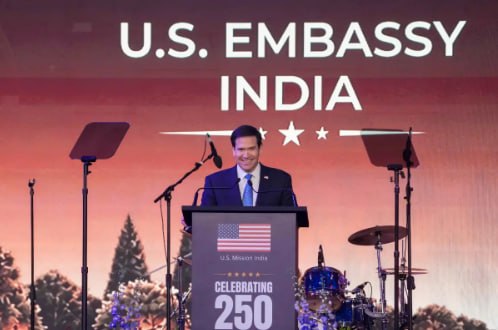
■ အမေရိကန် နိုင်ငံခြားရေးဝန်ကြီး မာကို ရူဘီယိုက အိန္ဒိယနိုင်ငံဟာ အင်အားကြီးမားပြီး ကမ္ဘာ့အရေးကိစ္စတွေမှာ ဩဇာလွှမ်းမိုးနိုင်တဲ့ နိုင်ငံတစ်နိုင်ငံဖြစ်တယ်လို့ ချီးကျူးပြောဆိုလိုက်ပါတယ်။
■ ဒါ့အပြင် အိန္ဒိယနဲ့ အမေရိကန်တို့အကြား ပူးပေါင်းဆောင်ရွက်မှုဟာ ၂၁ ရာစုရဲ့ အနာဂတ်ကို အဆုံးအဖြတ်ပေးနိုင်တဲ့ အရေးကြီးတဲ့ အခန်းကဏ္ဍမှာ ရှိနေတယ်လို့လည်း ပြောကြားခဲ့ပါတယ်။
■ အောက်တိုဘာ ၂၀ ရက်၊ အင်္ဂါနေ့က အိန္ဒိယနိုင်ငံ၊ မွန်ဘိုင်းမြို့မှာ ကျင်းပတဲ့ အမေရိကန်လွတ်လပ်ရေး နှစ် ၂၅၀ ပြည့် အထိမ်းအမှတ် “Freedom 250” ဧည့်ခံပွဲမှာ ရူဘီယိုက အခုလို ပြောကြားခဲ့တာဖြစ်ပါတယ်။
■ သူက လက်ရှိအချိန်မှာ နိုင်ငံရေး၊ စီးပွားရေး၊ ကုန်သွယ်ရေးနဲ့ စီးပွားကူးသန်းဆက်ဆံရေးတွေအပေါ် ချမှတ်နေတဲ့ ဆုံးဖြတ်ချက်တွေဟာ နောင်လာမယ့် မျိုးဆက်တွေအထိ သက်ရောက်မှုရှိနေမှာဖြစ်တယ်လို့ ဆိုပါတယ်။
■ “လာမယ့် ၂၅၀ နှစ်အတွင်း ကျွန်တော်တို့ အတူတကွ ဘာတွေ လုပ်ဆောင်နိုင်မလဲဆိုတာကို ဂုဏ်ပြုဖို့ ဒီကို ရောက်လာတာပါ” လို့ ရူဘီယိုက ပြောပါတယ်။
သူက အိန္ဒိယနဲ့ အမေရိကန်တို့ဟာ လူတစ်ဦးချင်းစီရဲ့ ဂုဏ်သိက္ခာကို လေးစားခြင်း၊ ဒီမိုကရေစီစနစ်ကို ယုံကြည်ခြင်းနဲ့ တရားဥပဒေစိုးမိုးရေးတို့လို တူညီတဲ့ တန်ဖိုးထားမှုတွေအပေါ် အခြေခံပြီး အနာဂတ်ကို အတူတကွ ပုံဖော်နိုင်တဲ့ အခွင့်အရေးရှိနေတယ်လို့လည်း ပြောကြားခဲ့ပါတယ်။
■ ရူဘီယိုက အိန္ဒိယဟာ ကမ္ဘာ့လူဦးရေအများဆုံးနိုင်ငံဖြစ်တာ၊ ဒီမိုကရေစီနိုင်ငံတစ်နိုင်ငံဖြစ်တာနဲ့ အမေရိကန်အတွက် စီးပွားရေးအရရော မဟာဗျူဟာအရပါ အရေးပါတဲ့ မိတ်ဖက်နိုင်ငံဖြစ်တာတွေကို ထောက်ပြခဲ့ပါတယ်။
■ အထူးသဖြင့် နည်းပညာ၊ ကုန်သွယ်ရေးနဲ့ အင်ဒို-ပစိဖိတ်ဒေသ လုံခြုံရေးကဏ္ဍတွေမှာ နှစ်နိုင်ငံအကြား ပူးပေါင်းဆောင်ရွက်နိုင်မယ့် အခွင့်အလမ်းတွေ အများကြီးရှိတယ်လို့လည်း ပြောပါတယ်။
Source-Wion
၂၀၂၆ ခုနှစ်၊ အောက်တိုဘာလ ၁၅ ရက်တွင် ကျရောက်သည့် တစ်နိုင်ငံလုံးပစ်ခတ် တိုက်ခိုက်မှုရပ်စဲရေးသဘောတူစာချုပ် (NCA) ချုပ်ဆိုခြင်း (၁၁) နှစ်မြောက် နှစ်ပတ်လည်နေ့ မိန့်ခွန်း၌ နိုင်ငံတော်သမ္မတ ဦးမင်းအောင်လှိုင်က ငြိမ်းချမ်းရေး၊ အမျိုးသားစည်းလုံးညီညွတ်ရေးနှင့် ဒီမိုကရေစီ၊ ဖက်ဒရယ်စနစ်ကို အခြေခံသည့် ပြည်ထောင်စုတည်ဆောက်ရေးတို့ကို အလေးထားပြောကြားခဲ့သည်။ ကြိုတင်ကန့်သတ်ချက်မထားသည့် ငြိမ်းချမ်းရေးဆွေးနွေးပွဲများသို့ ပါဝင်ရန် ထပ်မံဖိတ်ခေါ်ခဲ့ပြီး သဘောထားကွဲလွဲမှုများကို ဆွေးနွေးညှိနှိုင်းဖြေရှင်းရေး၊ လူနည်းစုအခွင့်အရေးကို လေးစားရေးနှင့် ငြိမ်းချမ်းရေး၊ ဖွံ့ဖြိုးရေးတို့ကို ဟန်ချက်ညီဆောင်ရွက်ရေးတို့ကိုလည်း ထည့်သွင်းပြောကြားခဲ့သည်။ မိန့်ခွန်းပါ အဓိကသဘောထားများနှင့် ရှေ့ဆက်ဆောင်ရွက်မည့် လုပ်ငန်းစဉ်များကို အချက် ၁၂ ချက်ဖြင့် အောက်ပါအတိုင်း ကောက်နှုတ်ဖော်ပြပါသည်။
၁။ ငြိမ်းချမ်းရေးလုပ်ငန်းစဉ်၏ အခြေခံအုတ်မြစ်အဖြစ် NCA ကို အလေးထားခြင်း
NCA သည် အပစ်အခတ်ရပ်စဲရေးသဘောတူညီချက်သာမက လက်နက်ကိုင်ပဋိပက္ခများကို နိုင်ငံရေးနည်းလမ်းဖြင့် ဖြေရှင်းရန်နှင့် ဒီမိုကရေစီ၊ ဖက်ဒရယ်စနစ်ကို အခြေခံသည့် ပြည်ထောင်စု တည်ဆောက်ရန် သဘောတူထားသည့် နိုင်ငံရေးကတိကဝတ်နှင့် မူဘောင်ဖြစ်ကြောင်း ပြောကြားသည်။
၂။ ကြိုတင်ကန့်သတ်ချက်မထားဘဲ ငြိမ်းချမ်းရေးဆွေးနွေးရန် ဖိတ်ခေါ်ခြင်း
NCA လက်မှတ်ရေးထိုးထားသည့် အဖွဲ့များနှင့် လက်မှတ်မရေးထိုးရသေးသည့် အဖွဲ့များအားလုံးကို တွေ့ဆုံဆွေးနွေးရန် ဖိတ်ခေါ်ထားကြောင်း ပြောကြားသည်။ အထူးသဖြင့် KNU၊ CNF နှင့် ABSDF တို့ကို ငြိမ်းချမ်းရေးဆွေးနွေးပွဲများတွင် ပါဝင်ရန် ထပ်မံဖိတ်ခေါ်သည်။
၃။ PDF အဖွဲ့များကို ဥပဒေဘောင်အတွင်း ဝင်ရောက်ရန် တိုက်တွန်းခြင်း
PDF အဖွဲ့များအနေဖြင့် နိုင်ငံနှင့် ပြည်သူ့အကျိုးကို ရှေးရှုပြီး ဥပဒေဘောင်အတွင်း ဝင်ရောက်လာကြရန် တိုက်တွန်းသည်။ ဒီမိုကရေစီရည်မှန်းချက်များကို စည်းကမ်းရှိသည့် ဒီမိုကရေစီကျင့်စဉ်များ၊ အကြမ်းမဖက်သည့် နည်းလမ်းများဖြင့် ဆောင်ရွက်ရန် ပြောကြားသည်။
၄။ သဘောထားကွဲလွဲမှုများကို တွေ့ဆုံဆွေးနွေး၍ ဖြေရှင်းရန် တိုက်တွန်းခြင်း
လက်နက်ကိုင်အဖွဲ့အစည်းများ၊ နိုင်ငံရေးပါတီများ၊ လူမှုအဖွဲ့အစည်းများနှင့် ပြည်သူများအနေဖြင့် သဘောထားကွဲလွဲမှုများကို တွေ့ဆုံဆွေးနွေးညှိနှိုင်း၍ အဖြေရှာရန် တိုက်တွန်းသည်။ ဖြစ်သင့်ဖြစ်ထိုက် သည့်အရာများနှင့် လက်တွေ့ဖြစ်နိုင်သည့်အရာများအပေါ် အခြေခံပြီး ပူးပေါင်းဆောင်ရွက်ရန် ပြောကြားသည်။
၅။ ရှိပြီးသားကတိကဝတ်များကို လေးစားလိုက်နာ၍ NCA ကို ဆက်လက်အကောင်အထည်ဖော်ခြင်း
သက်ဆိုင်သူအားလုံးအနေဖြင့် ရှိပြီးသား NCA သဘောတူညီချက်များနှင့် ကတိကဝတ်များကို လေးစား လိုက်နာရန် တိုက်တွန်းသည်။ NCA လက်မှတ်မရေးထိုးရသေးသည့် တိုင်းရင်းသားလက်နက်ကိုင် အဖွဲ့အစည်းများ ပါဝင်လက်မှတ်ရေးထိုးနိုင်ရေးအတွက်လည်း ဆက်လက်ဖိတ်ခေါ်ညှိနှိုင်းသွားမည်ဟု ပြောကြားသည်။
၆။ ယခင်ရရှိထားသည့် သဘောတူညီချက်များကို ဆက်လက်အကောင်အထည်ဖော်ခြင်း
ဖွဲ့စည်းပုံအခြေခံဥပဒေတွင် ပြင်ဆင်ဖြည့်စွက်သင့်သည့် အချက် ၄၃ ချက် နှင့် ပြည်ထောင်စု သဘောတူ စာချုပ် အစိတ်အပိုင်း ၁၊ ၂၊ ၃ တို့ကို ပြည်ထောင်စုလွှတ်တော်၌ ဆွေးနွေးအတည်ပြုပြီး အပိုင်းလိုက် အကောင်အထည်ဖော်သွားမည်ဟု ပြောကြားသည်။
၇။ ၂၀၀၈ ဖွဲ့စည်းပုံအခြေခံဥပဒေပါ ဖက်ဒရယ်ဆိုင်ရာပြဋ္ဌာန်းချက်များကို အကောင်အထည်ဖော်ခြင်း
၂၀၀၈ ခုနှစ် ဖွဲ့စည်းပုံအခြေခံဥပဒေတွင် ပါရှိသည့် ဖက်ဒရယ်ဆိုင်ရာပြဋ္ဌာန်းချက်များကို ထိရောက်စွာ အကောင်အထည်ဖော်သွားမည်ဟု ပြောကြားသည်။ ဖက်ဒရယ်စနစ်ကို ဖွဲ့စည်းပုံအခြေခံဥပဒေနှင့်အညီ အာဏာခွဲဝေကျင့်သုံးခြင်းဟု ရှင်းလင်းပြီး တိုင်းဒေသကြီးနှင့် ပြည်နယ်များ၏ ကိုယ်ပိုင်အုပ်ချုပ်ခွင့်၊ ဥပဒေပြုခွင့်နှင့် တရားစီရင်ခွင့်တို့ကို ဖော်ပြသည်။
၈။ လူနည်းစုအခွင့်အရေးနှင့် မတူကွဲပြားသည့် သဘောထားများကို လေးစားခြင်း
အများဆန္ဒကို လေးစားသကဲ့သို့ လူနည်းစု၏ဆန္ဒနှင့် အခွင့်အရေးများကိုလည်း အလေးထားရန် ပြောကြားသည်။ သဘောထားမတူသူများကို ရန်သူအဖြစ်သတ်မှတ်ခြင်း၊ ခွဲခြားဆက်ဆံခြင်း၊ လူ့အသိုင်း အဝိုင်းမှ ဖယ်ကြဉ်ခြင်းနှင့် ပုဂ္ဂိုလ်ရေးကိုးကွယ်မှုတို့ကို ရှောင်ရှားရန် တိုက်တွန်းသည်။
၉။ ဒေသခံတိုင်းရင်းသားအားလုံးကို ကိုယ်စားပြုနိုင်သည့် ပြည်နယ်အမည်များ စဉ်းစားခြင်း
ပြည်နယ်တစ်ခုသည် ထိုဒေသတွင် နေထိုင်သည့် တိုင်းရင်းသားအားလုံးနှင့် သက်ဆိုင်ကြောင်း ပြောကြား သည်။ ဒေသခံအားလုံးကို ကိုယ်စားပြုနိုင်မည့် ပြည်နယ်အမည်သတ်မှတ်ရေးနှင့်ပတ်သက်၍ အမျိုးသား စည်းလုံးညီညွတ်ရေးကို ရှေးရှုပြီး ဝိုင်းဝန်းစဉ်းစားအဖြေရှာရန် တိုက်တွန်းသည်။
၁၀။ ငြိမ်းချမ်းရေးကော်မတီများကို ပြင်ဆင်ဖွဲ့စည်း၍ တာဝန်ခွဲဝေခြင်း
ငြိမ်းချမ်းရေးဖော်ဆောင်မှု ဗဟိုကော်မတီ၊ လုပ်ငန်းကော်မတီနှင့် ညှိနှိုင်းရေးကော်မတီတို့ကို ပြင်ဆင် ဖွဲ့စည်းထားကြောင်း ပြောကြားသည်။ လုပ်ငန်းကော်မတီက အချိန်ဇယားနှင့် မဟာဗျူဟာများ ချမှတ်ပေးပြီး ညှိနှိုင်းရေးကော်မတီက လက်တွေ့အကောင်အထည်ဖော်ဆောင်ရွက်ရမည်ဟု တာဝန် ခွဲဝေထားသည်။
၁၁။ ငြိမ်းချမ်းရေးညီလာခံကျင်းပနိုင်ရေးအထိ ဆက်လက်ညှိနှိုင်းခြင်း
အလွတ်သဘောဆွေးနွေးမှုများ၊ တရားဝင်ဆွေးနွေးမှုများနှင့် ပစ်ခတ်တိုက်ခိုက်မှုရပ်စဲရေး ခိုင်မာစေရန် နှစ်ဖက်ဆွေးနွေးပွဲများကို ဆက်လက်ဆောင်ရွက်သွားမည်ဟု ပြောကြားသည်။ NCA အရ တရားဝင် အစည်းအဝေးများနှင့် ငြိမ်းချမ်းရေးညီလာခံ ကျင်းပနိုင်ရေးအထိ ညှိနှိုင်းသွားမည်ဟု ဖော်ပြသည်။
၁၂။ ငြိမ်းချမ်းရေးနှင့် ဖွံ့ဖြိုးတိုးတက်ရေးကို ဟန်ချက်ညီ ဆောင်ရွက်ခြင်း
ငြိမ်းချမ်းရေးသည် ပြန်လည်ထူထောင်ရေး၊ ဒေသဖွံ့ဖြိုးရေး၊ ပညာရေး၊ ကျန်းမာရေးနှင့် လူမှုစီးပွားဘဝ တိုးတက်ရေးတို့နှင့် တိုက်ရိုက်ဆက်စပ်ကြောင်း အလေးထားပြောကြားသည်။ မျိုးဆက်သစ်များအတွက် တည်ငြိမ်သည့်အနာဂတ်နှင့် ဖွံ့ဖြိုးတိုးတက်သည့် လူ့အဖွဲ့အစည်းကို လက်ဆင့်ကမ်းပေးနိုင်ရေး ရေရှည်ဆောင်ရွက်သွားမည်ဟု ပြောကြားသည်။
အရင်းအမြစ်- နိုင်ငံတော်သမ္မတ၏ မိန့်ခွန်းအပြည့်အစုံ
ကေစီရှာမား ရေးသားသည်
နိုင်ငံတကာစီးပွားရေး အခင်းအကျင်းသည် အရေးပါသော အပြောင်းအလဲများကို ဖြတ်သန်းလျက်ရှိသည်။ ကုန်သွယ်ရေး၊ ဘဏ္ဍာရေး၊ နည်းပညာနှင့် စွမ်းအင်ကဏ္ဍများတွင် ပြိုင်ဆိုင်မှုများ မြင့်တက်လာခြင်းက ဖွံ့ဖြိုးဆဲနိုင်ငံများအား မိမိတို့၏ ပြည်ပမိတ်ဖက်ဆက်ဆံရေးများကို ပြန်လည်သုံးသပ်ရန် တွန်းအား ပေးလျက်ရှိသည်။ ရှိနှင့်ပြီးဖြစ်သော နိုင်ငံတကာအဖွဲ့အစည်းများနှင့်အတူ BRICS ကဲ့သို့သော နိုင်ငံအစုအဖွဲ့များသည်လည်း ဝင်ရိုးစုံကမ္ဘာစနစ်၊ ဖွံ့ဖြိုးရေးဘဏ္ဍာငွေနှင့် ကမ္ဘာ့စီမံအုပ်ချုပ်မှုစနစ်တွင် ထွန်းသစ်စစီးပွားရေးနိုင်ငံများ၏ ပါဝင်ကိုယ်စားပြုမှုတို့နှင့် ပတ်သက်သည့် ဆွေးနွေးမှုများ၌ ပိုမိုအရေး ပါလာသည်။
မြန်မာနိုင်ငံအတွက် အဆိုပါအပြောင်းအလဲများသည် နိုင်ငံတကာပူးပေါင်းဆောင်ရွက်မှုကို တိုးချဲ့ရန် အခွင့်အလမ်းများ ဖြစ်ပေါ်စေသည်။ နိုင်ငံ၏ ဖွံ့ဖြိုးရေးဦးစားပေးလုပ်ငန်းများကို အကောင်အထည် ဖော်ရာတွင် ရင်းနှီးမြှုပ်နှံမှုရရှိနိုင်ရေး၊ အခြေခံအဆောက်အအုံများ ခေတ်မီတိုးတက်ရေးနှင့် ယုံကြည် စိတ်ချရသော စွမ်းအင်ထောက်ပံ့မှုရရှိရေးတို့သည် အရေးပါသော ရည်မှန်းချက်များအဖြစ် ဆက်လက် တည်ရှိနေသည်။ မိတ်ဖက်နိုင်ငံအဆင့်အတန်း ရရှိရေးအပါအဝင် BRICS နှင့် ပိုမိုနီးကပ်စွာ ဆက်ဆံပူး ပေါင်းခြင်းသည် ဘဏ္ဍာရေး၊ နည်းပညာနှင့် စွမ်းအင်ကဏ္ဍတို့တွင် ပူးပေါင်းဆောင်ရွက်ရန် နောက်ထပ် လမ်းကြောင်းတစ်ခု ဖြစ်လာနိုင်သည်။
ဤသို့ ပူးပေါင်းဆောင်ရွက်ရန် စဉ်းစားသင့်သည့် အခြေခံအကြောင်းရင်းမှာ မြန်မာနိုင်ငံ၏ ရွေးချယ်စရာ များကို ပိုမိုကျယ်ပြန့်စေနိုင်ခြင်းဖြစ်သည်။ ယင်း၏ အကျိုးတန်ဖိုးသည် ပါဝင်ဆောင်ရွက်နိုင်မည့် အတိုင်းအတာ၊ အလားအလာရှိသော မိတ်ဖက်နိုင်ငံများ၏ ပူးပေါင်းဆောင်ရွက်လိုစိတ်နှင့် သံတမန်ရေး ဆက်ဆံမှုမှတစ်ဆင့် လက်တွေ့အကောင်အထည်ဖော်နိုင်သော စီမံကိန်းများ ဖော်ဆောင်နိုင်မည့် မြန်မာ နိုင်ငံ၏ စွမ်းဆောင်ရည်တို့အပေါ် မူတည်မည်ဖြစ်သည်။ ထို့ကြောင့် BRICS နှင့် မိတ်ဖက်ပူးပေါင်း ဆောင်ရွက်ရေးကို ပိုမိုကျယ်ပြန့်သော စွမ်းအင်လုံခြုံရေးမဟာဗျူဟာ၏ အစိတ်အပိုင်းတစ်ရပ်အဖြစ် သုံးသပ်သင့်သည်။
ဘဏ္ဍာရေးနှင့် စီးပွားရေးမိတ်ဖက်ဆက်ဆံမှုများ တိုးချဲ့ခြင်း
မြန်မာနိုင်ငံ၏ စွမ်းအင်ဦးစားပေးလုပ်ငန်းများသည် ရင်းနှီးမြှုပ်နှံမှုရရှိနိုင်ခြင်းနှင့် နီးကပ်စွာ ဆက်စပ်နေ သည်။ အခြေခံအဆောက်အအုံများ ခေတ်မီတိုးတက်ရေးအတွက် စဉ်ဆက်မပြတ် ဘဏ္ဍာငွေရရှိရန် လိုအပ်သည်။ တစ်ချိန်တည်းတွင် လက်ရှိပိတ်ဆို့အရေးယူမှုများနှင့် ပြောင်းလဲလျက်ရှိသော ပြည်တွင်း အခြေအနေများသည် နိုင်ငံတကာရင်းနှီးမြှုပ်နှံသူများနှင့် ဘဏ္ဍာရေးအဖွဲ့အစည်းများ၏ ဆက်ဆံပူးပေါင်း မှု အရှိန်အဟုန်နှင့် အတိုင်းအတာတို့အပေါ် သက်ရောက်နိုင်သည်။ ဘဏ္ဍာရေးမိတ်ဖက်ဆက်ဆံမှုများ တိုးချဲ့ခြင်းက နိုင်ငံ၏ အခြေခံအဆောက်အအုံနှင့် စွမ်းအင်ဖွံ့ဖြိုးရေး ရည်မှန်းချက်များကို အထောက် အကူပြုနိုင်သည်။
BRICS နိုင်ငံများနှင့် ပိုမိုနီးကပ်စွာ ပူးပေါင်းဆောင်ရွက်ခြင်းသည် မြန်မာနိုင်ငံ၏ စီးပွားရေးဆက်ဆံ မှုများကို ပိုမိုစုံလင်စေနိုင်သည်။ ကုန်သွယ်ရေး၊ ဘဏ္ဍာငွေရရှိရေးနှင့် သယ်ယူပို့ဆောင်ရေးဆိုင်ရာ အစီအစဉ်များ ထပ်မံဖော်ဆောင်ခြင်းက ပြည်ပဆက်သွယ်ဆောင်ရွက်ရေး လမ်းကြောင်းအနည်းငယ် အပေါ် မှီခိုနေရမှုကို လျှော့ချနိုင်ပြီး ရေရှည်မိတ်ဖက်ဆက်ဆံမှုများ တည်ဆောက်ရန် အခွင့်အလမ်းများ ဖန်တီးပေးနိုင်သည်။
BRICS တွင် အီရန်နိုင်ငံ ပါဝင်လာခြင်းသည် အနောက်နိုင်ငံများ၏ ပိတ်ဆို့အရေးယူမှုများနှင့် ရင်ဆိုင်နေ ရသော နိုင်ငံများက အဆိုပါအစုအဖွဲ့အတွင်း ဆက်ဆံရေးများ တိုးချဲ့ရန် စိတ်ဝင်စားကြောင်း ပြသသည့် ဥပမာတစ်ခုဖြစ်သည်။ သို့သော် အီရန်၏ အတွေ့အကြုံကို မြန်မာနိုင်ငံအတွက် တိုက်ရိုက် အသုံးချနိုင်သော ပုံစံတစ်ခုဟု ယူဆ၍မရပါ။ ပူးပေါင်းဆောင်ရွက်မှုမှ ရရှိနိုင်မည့် အကျိုးကျေးဇူးများသည် နိုင်ငံတစ်နိုင်ငံချင်းစီ၏ စီးပွားရေးအခြေအနေ၊ အဖွဲ့အစည်းဆိုင်ရာ အစီအစဉ်များနှင့် အခြား ပါဝငသည့် နိုင်ငံများအကြား ဆက်ဆံရေးတို့အပေါ် မူတည်မည်ဖြစ်သည်။
အခြေခံအဆောက်အအုံနှင့် ဖွံ့ဖြိုးရေးဘဏ္ဍာငွေ ပံ့ပိုးပေးရာတွင် ပါဝင်သည့် အခန်းကဏ္ဍကြောင့် ဖွံ့ဖြိုး ရေးဘဏ်သစ် (New Development Bank—NDB) သည်လည်း ဤဆွေးနွေးမှုနှင့် ဆက်စပ်နေသည်။ BRICS နှင့် ပိုမိုနီးကပ်စွာ ဆက်ဆံခြင်းက အနာဂတ်တွင် အဆိုပါဘဏ်နှင့် ဆက်စပ်သော ပူးပေါင်း ဆောင်ရွက်မှုများအတွက် အထောက်အကူဖြစ်နိုင်ခြင်း ရှိ၊ မရှိကို မြန်မာနိုင်ငံအနေဖြင့် လေ့လာနိုင်သည်။ သို့သော် ယင်းအလားအလာများကို သက်ဆိုင်ရာအခြေအနေများနှင့် ချိန်ဆသုံးသပ်ရမည်ဖြစ်ပြီး မိတ်ဖက် နိုင်ငံအဆင့်အတန်း ရရှိခြင်းကို NDB ဘဏ္ဍာငွေ အလိုအလျောက်ရရှိခွင့်နှင့် တူညီသည်ဟု မဖော်ပြ သင့်ပါ။
နိုင်ငံသုံးငွေကြေးများဖြင့် ဘဏ္ဍာငွေ ပံ့ပိုးပေးရေးကိုလည်း ထည့်သွင်းစဉ်းစားသင့်သည်။ စီးပွားရေးအရ အကောင်အထည်ဖော်နိုင်သည့် အခြေအနေတွင် ယင်းက ငွေပေးချေမှုအစီအစဉ်များကို ပိုမိုစုံလင်စေပြီး နိုင်ငံခြားငွေလဲနှုန်းနှင့် ဆက်စပ်သော အန္တရာယ်အချို့ကို လျှော့ချနိုင်သည်။ ထိရောက်မှုမှာ ငွေကြေး တည်ငြိမ်မှု၊ ငွေဖြစ်လွယ်မှုနှင့် ငွေချေးသူများ၊ ပစ္စည်းပေးသွင်းသူများ၏ လိုလားချက်တို့အပေါ် မူတည် မည်ဖြစ်သည်။
အလားတူ ရှင်းလင်းစွာ သတ်မှတ်ထားသော စီမံကိန်းဖွဲ့စည်းပုံများနှင့် သင့်လျော်သော အငြင်းပွားမှု ဖြေရှင်းရေး အစီအစဉ်များက ရင်းနှီးမြှုပ်နှံသူတို့၏ ယုံကြည်မှုကို မြှင့်တင်ပေးနိုင်သည်။ ယင်းယန္တရား များကို သေချာစွာ ရေးဆွဲအကောင်အထည်ဖော်ရန် လိုအပ်ပြီး နိုင်ငံရေး၊ ဘဏ္ဍာရေး သို့မဟုတ် လုပ်ငန်း လည်ပတ်မှုဆိုင်ရာ အန္တရာယ်များကို အလုံးစုံဖယ်ရှားပေးနိုင်မည်ဟုတော့ မယူဆသင့်ပါ။
နိုင်ငံ၏ အခြေအနေများနှင့် ကိုက်ညီသော စွမ်းအင်ကူးပြောင်းရေး
BRICS ၏ ပူးပေါင်းဆောင်ရွက်ရေးမူဘောင်တွင် ဖော်ပြထားသော စွမ်းအင်ဆိုင်ရာ ချဉ်းကပ်မှု၏ အဓိက လက္ခဏာတစ်ရပ်မှာ နိုင်ငံအသီးသီး၏ အခြေအနေများနှင့် ဖွံ့ဖြိုးရေးဦးစားပေးလုပ်ငန်းများကို ထည့်သွင်း စဉ်းစားသည့် စွမ်းအင်ကူးပြောင်းရေးကို အလေးထားခြင်းဖြစ်သည်။ မြန်မာနိုင်ငံအတွက် ဤမူသည် လက်တွေ့အရ ဆက်စပ်အရေးပါသည်။ စွမ်းအင်မူဝါဒသည် လက်ရှိလျှပ်စစ်ဓာတ်အား လိုအပ်ချက်များကို ဖြည့်ဆည်းပေးရင်း ရေရှည်ခေတ်မီတိုးတက်ရေးနှင့် ကာဗွန်ထုတ်လွှတ်မှု လျှော့ချရေးကိုလည်း အထောက်အကူပြုရမည်ဖြစ်သည်။
ယုံကြည်စိတ်ချရသော လျှပ်စစ်ဓာတ်အားသည် စက်မှုလုပ်ငန်းများ၊ ပြည်သူ့ဝန်ဆောင်မှုများနှင့် အိမ်ထောင်စုများ၏ လူနေမှုဘဝအတွက် မရှိမဖြစ်လိုအပ်သည်။ ထို့ကြောင့် စွမ်းအင်ကူးပြောင်းရေး မူဝါဒ များတွင် ကုန်ကျစရိတ်ကို တတ်နိုင်ခြင်း၊ ထောက်ပံ့မှုအဆက်မပြတ်ရှိခြင်းနှင့် နည်းပညာအသစ်များကို လက်ခံအသုံးချနိုင်မည့် လျှပ်စစ်ဓာတ်အားစနစ်၏ စွမ်းရည်တို့ကို ထည့်သွင်းစဉ်းစားရန် လိုအပ်သည်။
ဤမူဘောင်အတွင်း ကျောက်မီးသွေးနှင့် သဘာဝဓာတ်ငွေ့အပါအဝင် သမားရိုးကျလောင်စာများသည် အဆင့်လိုက်ကူးပြောင်းရေးကာလတွင် ဆက်လက်ပါဝင်နေဖွယ်ရှိသည်။ ယင်းတို့ကို ဆက်လက်အသုံးပြု ခြင်းနှင့်ပတ်သက်၍ ထောက်ပံ့မှု၏ ယုံကြည်စိတ်ချရမှု၊ စီးပွားရေးအရ တွက်ခြေကိုက်မှု၊ ပတ်ဝန်းကျင် အပေါ် သက်ရောက်မှုနှင့် အစားထိုးရွေးချယ်စရာများ ရရှိနိုင်ခြင်းတို့နှင့် ချိန်ဆသုံးသပ်သင့်သည်။
တဖြည်းဖြည်းချင်း ကူးပြောင်းသည့် ချဉ်းကပ်မှုက မြန်မာနိုင်ငံအား လျှပ်စစ်ဓာတ်အားကွန်ရက် အားကောင်းစေရန်၊ ပိုမိုသန့်ရှင်းသော ဓာတ်အားထုတ်လုပ်မှု ဖွံ့ဖြိုးလာစေရန်နှင့် စွမ်းအင်အသုံးချမှု ထိရောက်စေရန် အချိန်ပေးနိုင်သည်။ သို့သော် လက်ရှိလိုအပ်ချက်များကို ဖြည့်ဆည်းရန် ဆောင်ရွက် သည့် အစီအမံများက နိုင်ငံ၏ ရေရှည်ဖွံ့ဖြိုးရေးလိုအပ်ချက်များကိုပါ အထောက်အကူပြုစေရန် အဆင့် လိုက်ဆောင်ရွက်မှုတွင် ရှင်းလင်းသော ရည်မှန်းချက်များ ပါရှိသင့်သည်။
BRICS နှင့် ပိုမိုနီးကပ်စွာ ပူးပေါင်းဆောင်ရွက်ခြင်းသည် အဆိုပါကိစ္စရပ်များနှင့် ပတ်သက်၍ အတွေ့ အကြုံဖလှယ်ရန် အခွင့်အလမ်းများ ဖန်တီးပေးနိုင်သည်။ မူဝါဒပိုင်းအရ ရရှိနိုင်မည့် အကျိုးကျေးဇူးမှာ လက်တွေ့ပူးပေါင်းဆောင်ရွက်မှုကို အခြေခံ၍ ကုန်ကျစရိတ်တတ်နိုင်ပြီး စနစ်တကျရှိသော စွမ်းအင် ကူးပြောင်းရေးကို ပိုမိုပြောင်းလွယ်ပြင်လွယ် ရေးဆွဲနိုင်ခြင်းဖြစ်သည်။
စွမ်းအင်နည်းပညာများ ရရှိနိုင်မှု တိုးချဲ့ခြင်း
သမားရိုးကျစွမ်းအင် လိုအပ်ချက်များကို အသိအမှတ်ပြုခြင်းနှင့်အတူ BRICS နိုင်ငံများတွင် ပြန်လည် ပြည့်ဖြိုးမြဲစွမ်းအင်နှင့် အခြားနည်းပညာများဆိုင်ရာ အင်အားကောင်းသော စွမ်းဆောင်ရည်များလည်း ရှိနေသည်။ အစုအဖွဲ့၏ စွမ်းအင်ပူးပေါင်းဆောင်ရွက်ရေး လမ်းပြအစီအစဉ်တွင် ပူးတွဲသုတေသန၊ ရင်းနှီးမြှုပ်နှံမှုနှင့် နည်းပညာပူးပေါင်းဆောင်ရွက်မှု အခွင့်အလမ်းများကို ဖော်ပြထားသည်။
အဆိုပါစွမ်းဆောင်ရည်များသည် မြန်မာနိုင်ငံ၏ အခြေခံအဆောက်အအုံ လိုအပ်ချက်များနှင့် ဆက်စပ် နေသည်။ တရုတ်နိုင်ငံသည် ဆိုလာပစ္စည်းထုတ်လုပ်မှု၊ ဘက်ထရီနှင့် ဆက်စပ်ထောက်ပံ့ရေး ကွင်းဆက်များတွင် အားကောင်းသော အနေအထားရှိသည်။ ရုရှားနိုင်ငံတွင် အဆင့်မြင့်နျူကလီးယား နည်းပညာများ ရှိပြီး ဘရာဇီးနိုင်ငံတွင် ဇီဝလောင်စာဆိုင်ရာ အတွေ့အကြုံများစွာ ရှိသည်။ ယင်းနိုင်ငံများ နှင့် ပူးပေါင်းဆောင်ရွက်ခြင်းက မြန်မာနိုင်ငံအတွက် ထည့်သွင်းစဉ်းစားနိုင်သော နည်းပညာနှင့် စက်ကိရိယာအမျိုးအစားများကို ပိုမိုကျယ်ပြန့်စေနိုင်သည်။
သို့သော် ယင်းတို့ကို ရရှိအသုံးချနိုင်ခြင်းသည် တိကျသော သဘောတူညီချက်များ၊ ဘဏ္ဍာငွေဆိုင်ရာ အစီအစဉ်များနှင့် စီမံကိန်း၏ သင့်လျော်မှုတို့အပေါ် မူတည်မည်ဖြစ်သည်။ မြန်မာနိုင်ငံအနေဖြင့် နည်းပညာများကို ကုန်ကျစရိတ်၊ လိုအပ်သော အခြေခံအဆောက်အအုံ၊ အကောင်အထည်ဖော်ရန် ကြာ ချိန်နှင့် ပြည်တွင်းလုပ်ငန်းလည်ပတ်နိုင်စွမ်းတို့အပေါ် အခြေခံ၍ သုံးသပ်ရန် လိုအပ်သည်။
ဥပမာအားဖြင့် လျှပ်စစ်ဓာတ်အားရရှိမှု တိုးတက်စေရေး အစီအစဉ်များအတွင်း ဆိုလာ ဓာတ်အားထုတ်လုပ်မှုနှင့် စွမ်းအင်သိုလှောင်မှုတို့ကို ထည့်သွင်းစဉ်းစားနိုင်သည်။ ဇီဝလောင်စာဆိုင်ရာ ပူးပေါင်းဆောင်ရွက်မှုကိုလည်း ပြည်တွင်းအရင်းအမြစ် အခြေအနေများနှင့် ချိန်ဆသုံးသပ်နိုင်သည်။ နျူကလီးယားဆိုင်ရာ ပူးပေါင်းဆောင်ရွက်မှုအတွက်မူ အဖွဲ့အစည်းဆိုင်ရာ စွမ်းဆောင်ရည်၊ ဘဏ္ဍာငွေနှင့် ရေရှည်လုပ်ငန်းလည်ပတ်မှု တာဝန်များကို အထူးဂရုပြု သုံးသပ်ရန် လိုအပ်မည်ဖြစ်သည်။
နည်းပညာပူးပေါင်းဆောင်ရွက်ရေး၏ အခိုင်မာဆုံး အခြေခံမှာ ပြည်ပကျွမ်းကျင်မှုများကို ရှင်းလင်းစွာ သတ်မှတ်ထားသော နိုင်ငံ၏ လိုအပ်ချက်များနှင့် ကိုက်ညီစွာ အသုံးချခြင်းဖြစ်သည်။ ကုန်ကျစရိတ် တတ်နိုင်သော စက်ကိရိယာများသည် ကျွမ်းကျင်မှုဖွံ့ဖြိုးရေး၊ ပြုပြင်ထိန်းသိမ်းနိုင်စွမ်းနှင့် ရေရှည်လည် ပတ်မှုကို အထောက်အကူပြုသည့် အစီအစဉ်များနှင့် တွဲဖက်လာသည့်အခါ ပိုမိုအကျိုးရှိမည်ဖြစ်သည်။
ထောက်ပံ့ရေးကွင်းဆက်များ၏ ခံနိုင်ရည် အားကောင်းစေခြင်း
BRICS သည် အဓိကစွမ်းအင်တင်ပို့သည့် နိုင်ငံများနှင့် စွမ်းအင်သုံးစွဲမှု များပြားသော စီးပွားရေး နိုင်ငံများကို စုစည်းထားသည်။ ဤဖွဲ့စည်းမှုသည် စွမ်းအင်ထောက်ပံ့မှု လုံခြုံရေး၊ ရင်းနှီးမြှုပ်နှံမှုနှင့် စွမ်းအင်ကုန်သွယ်ရေးတို့ကို ဆွေးနွေးရန် အသုံးဝင်နိုင်သော ပူးပေါင်းဆောင်ရွက်ရေး အခင်းအကျင်း တစ်ခု ဖြစ်စေသည်။
မြန်မာနိုင်ငံအတွက် ဤကွန်ရက်အတွင်း ပိုမိုနီးကပ်သော ဆက်ဆံရေးများ တည်ဆောက်ခြင်းက ပေးသွင်း(ထောက်ပံ့)သူများ ပိုမိုစုံလင်လာစေရေးနှင့် မရှိမဖြစ်လိုအပ်သော စွမ်းအင်အရင်းအမြစ်များ ရရှိနိုင်မှု အားကောင်းစေရေးတို့ကို အထောက်အကူပြုနိုင်သည်။ ဟော်မုဇ်ရေလက်ကြားကို ဖြတ်သန်း သည့် လမ်းကြောင်းများအပါအဝင် ရှိနှင့်ပြီးဖြစ်သော ထောက်ပံ့ရေးလမ်းကြောင်းများတွင် ပထဝီနိုင်ငံရေး တင်းမာမှုများကြောင့် အနှောင့်အယှက်ဖြစ်ပေါ်သည့်အခါ ယင်းပူးပေါင်းဆောင်ရွက်မှုသည် ပိုမိုအရေး ပါလာနိုင်သည်။
သို့ရာတွင် သံတမန်ရေးအစုအဖွဲ့တစ်ခု၌ ပါဝင်ခြင်းတစ်ခုတည်းက စွမ်းအင်ပေးပို့မှု အဆက်မပြတ်ရှိရေး သို့မဟုတ် နိုင်ငံတကာဈေးနှုန်း အတက်အကျများမှ ကာကွယ်နိုင်ရေးကို အာမခံပေးနိုင်မည်မဟုတ်ပါ။ လက်တွေ့ထောက်ပံ့မှု လုံခြုံရေးသည် လောင်စာရရှိနိုင်ခြင်း၊ သယ်ယူပို့ဆောင်ရေး အခြေခံ အဆောက် အအုံ၊ စီးပွားရေးစာချုပ်များနှင့် ပေးပို့မှုအစီအစဉ်များ၏ ခံနိုင်ရည်တို့အပေါ် မူတည်သည်။
ထို့ကြောင့် လက်တွေ့ရည်မှန်းချက်မှာ ပိုမိုကျယ်ပြန့်ပြီး အားထားနိုင်သော ထောက်ပံ့ရေးကွန်ရက်တစ်ခု ဖော်ဆောင်ရန်ဖြစ်သင့်သည်။ BRICS နိုင်ငံများနှင့် ပူးပေါင်းဆောင်ရွက်ခြင်းသည် စီးပွားရေးအရ အကောင်အထည်ဖော်နိုင်သော သဘောတူညီချက်များနှင့် အထောက်အကူပြု အခြေခံအဆောက်အအုံ များအတွက် ရင်းနှီးမြှုပ်နှံမှုတို့မှတစ်ဆင့် ယင်းရည်မှန်းချက်ကို အထောက်အကူပြုနိုင်သည်။
ထောက်ပံ့ရေးအရင်းအမြစ်များ ပိုမိုစုံလင်လာစေရေးတွင် ပေးသွင်းသူအနည်းငယ်အပေါ် စုစည်းမှီခိုမှု ကြောင့် ဖြစ်ပေါ်နိုင်သော အန္တရာယ်များကိုလည်း အလေးထားရန် လိုအပ်သည်။ မြန်မာနိုင်ငံ၏ စွမ်းအင် မဟာဗျူဟာသည် ဈေးကွက်အခြေအနေများနှင့် ပေးသွင်းသူတစ်ဦးချင်းစီ၏ အခြေအနေများ ပြောင်းလဲ လာသည့်အခါ လိုက်လျောညီထွေ တုံ့ပြန်နိုင်မည့် အနေအထားကို ထိန်းသိမ်းထားသင့်သည်။
လက်တွေ့ကျသော ပူးပေါင်းဆောင်ရွက်ရေးမူဘောင်
BRICS ၏ မိတ်ဖက်နိုင်ငံအဆင့်အတန်း ရရှိရေး ကြိုးပမ်းခြင်းသည် မြန်မာနိုင်ငံ၏ နိုင်ငံတကာ ပူးပေါင်း ဆောင်ရွက်မှုကို တိုးချဲ့ရန် သင့်လျော်သော ခြေလှမ်းတစ်ရပ် ဖြစ်လာနိုင်သည်။ ဖြစ်နိုင်ခြေရှိသော အကျိုး ကျေးဇူးများတွင် စွမ်းအင်ဆိုင်ရာ ဆက်ဆံရေး ပိုမိုအားကောင်းလာခြင်း၊ နည်းပညာရရှိနိုင်မှု ကျယ်ပြန့် လာခြင်းနှင့် ဖွံ့ဖြိုးရေးဘဏ္ဍာငွေ ရရှိရေးအတွက် နောက်ထပ်အခွင့်အလမ်းများကို လေ့လာနိုင်ခြင်းတို့ ပါဝင်သည်။
ယင်းအကျိုးကျေးဇူးများကို လက်တွေ့ရရှိရန် ဦးတည်ချက်ရှင်းလင်းသော လုပ်ငန်းအစီအစဉ်တစ်ရပ် လိုအပ်မည်ဖြစ်သည်။ မြန်မာနိုင်ငံအနေဖြင့် ဦးစားပေးစီမံကိန်းများ သတ်မှတ်ခြင်း၊ ဘဏ္ဍာငွေဆိုင်ရာ စည်းကမ်းချက်များ သုံးသပ်ခြင်းနှင့် ယုံကြည်စိတ်ချရသော အကောင်အထည်ဖော်ရေး အစီအစဉ်များ ချမှတ်ခြင်းတို့ကို ဆောင်ရွက်ရန် လိုအပ်သည်။ ပြည်တွင်းတည်ငြိမ်မှုနှင့် အခြေခံအဆောက်အအုံ ရင်းနှီးမြှုပ်နှံမှုများကို စီမံခန့်ခွဲနိုင်စွမ်းတို့သည် ပြည်ပပူးပေါင်းဆောင်ရွက်မှု အောင်မြင်ရေးအတွက် အဓိကကျနေမည်ဖြစ်သည်။
BRICS နှင့် ဆက်ဆံပူးပေါင်းမှုကို ဒေသတွင်းမိတ်ဖက်များ၊ အခြားဖွံ့ဖြိုးရေးအဖွဲ့အစည်းများနှင့် အပြု သဘောဆောင်သော ဆက်ဆံရေးများ ဆက်လက်ထိန်းသိမ်းသည့် ပိုမိုကျယ်ပြန့်သော ချဉ်းကပ်မှု၏ အစိတ်အပိုင်းတစ်ရပ်အဖြစ်လည်း ဖော်ဆောင်နိုင်သည်။ မိတ်ဖက်ဆက်ဆံမှုများ စုံလင်သော သံတမန် ရေးနှင့် စီးပွားရေးမဟာဗျူဟာက မြန်မာနိုင်ငံအား မိမိ၏ လိုအပ်ချက်များနှင့် ကိုက်ညီသော အစီအစဉ် များ ဖော်ဆောင်ရန် ပိုမိုကျယ်ပြန့်သော အခွင့်အလမ်း ပေးနိုင်သည်။
BRICS နှင့် မိတ်ဖက်ပူးပေါင်းဆောင်ရွက်ရေးကို စဉ်းစားသင့်သည့် အခိုင်မာဆုံး အကြောင်းရင်းမှာ စွမ်းအင်နှင့် ဘဏ္ဍာငွေဆိုင်ရာ လိုအပ်ချက်များ မြင့်မားနေချိန်တွင် လက်တွေ့ရွေးချယ်စရာများ တိုးချဲ့ ပေးနိုင်ခြင်းဖြစ်သည်။ လက်တွေ့နှင့်ကိုက်ညီသော မျှော်မှန်းချက်များ၊ သေချာစွာရွေးချယ်ထားသော စီမံကိန်းများနှင့် စဉ်ဆက်မပြတ် အကောင်အထည်ဖော်မှုတို့ ရှိပါက ပိုမိုနီးကပ်သော ပူးပေါင်း ဆောင်ရွက်မှုသည် ခံနိုင်ရည်ရှိသည့် စွမ်းအင်စနစ်တစ်ရပ်နှင့် မြန်မာနိုင်ငံ၏ ဖွံ့ဖြိုးရေးအခြေအနေများနှင့် ကိုက်ညီသော စွမ်းအင်ကူးပြောင်းရေးကို အထောက်အကူပြုနိုင်သည်။
ဝင်ရိုးစုံပိုမိုဖြစ်ပေါ်လာနေသည့် ကမ္ဘာတွင် ယုံကြည်စိတ်ချရသော လျှပ်စစ်ဓာတ်အား၊ ကုန်ကျစရိတ် တတ်နိုင်သော စွမ်းအင်နှင့် ရေရှည်အသုံးခံသော အခြေခံအဆောက်အအုံများ ဖော်ဆောင်ပေးနိုင်သည့် ပူးပေါင်းဆောင်ရွက်မှုသည် မြန်မာနိုင်ငံ၏ အကျိုးစီးပွားကို အထောက်အကူပြုမည်ဖြစ်သည်။ BRICS နှင့် မိတ်ဖက်ပူးပေါင်းဆောင်ရွက်ရေးသည် ယင်းရည်မှန်းချက်များသို့ ဦးတည်နိုင်သော လမ်းကြောင်းတစ်ခု ဖြစ်ပြီး ၎င်း၏ အကျိုးတန်ဖိုးကို နောက်ဆုံးတွင် နိုင်ငံ့စီးပွားရေးနှင့် ပြည်သူများအတွက် ရရှိလာသော လက်တွေ့အကျိုးကျေးဇူးများဖြင့် တိုင်းတာသင့်ကြောင်းသုံးသပ်ရေးသားရပါသည်။
(ဘာသာပြန်ဆောင်းပါး)
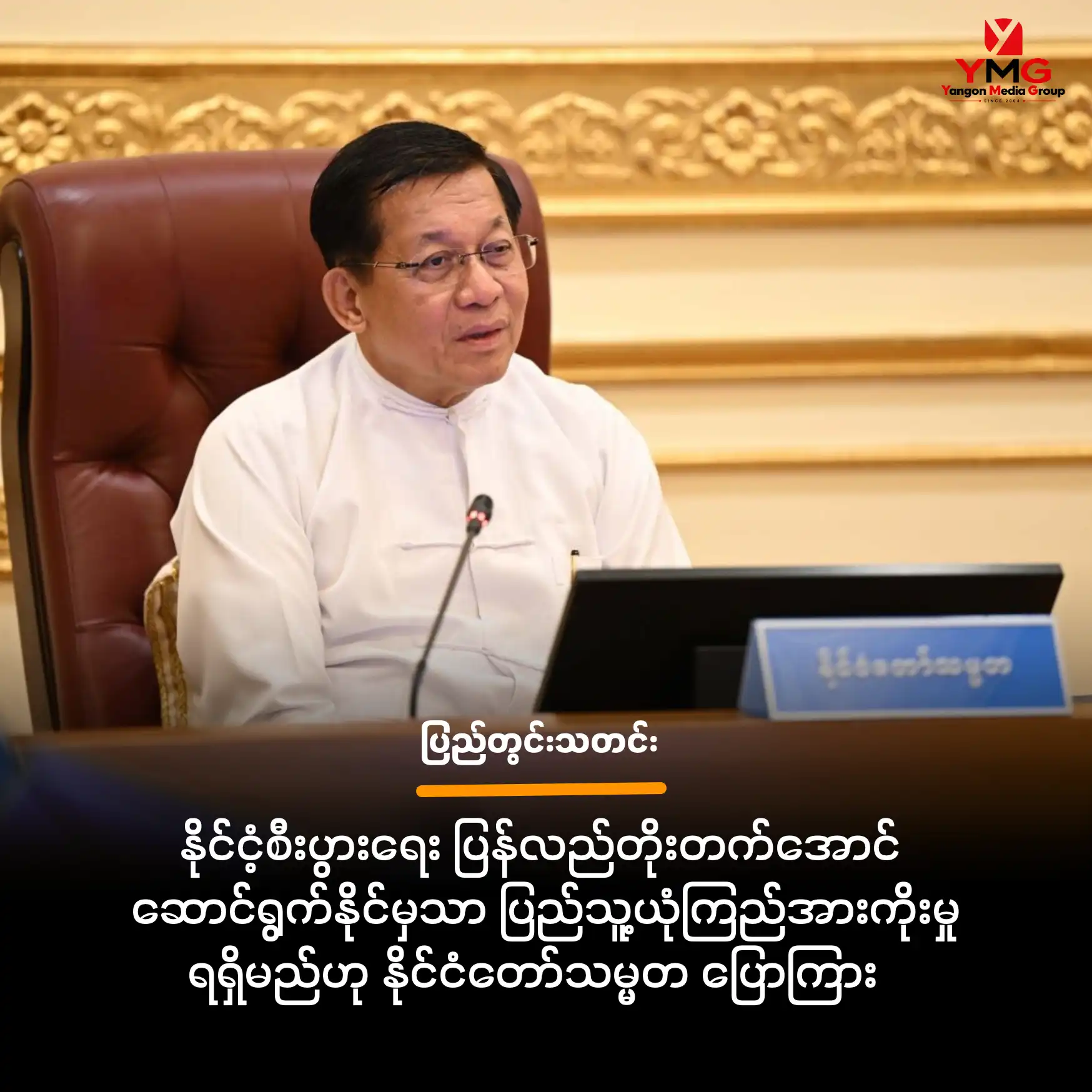
နေပြည်တော်၊ အောက်တိုဘာ ၅
အစိုးရတစ်ရပ်အနေဖြင့် နိုင်ငံ့စီးပွားရေး ပြန်လည်တိုးတက်လာအောင် ဆောင်ရွက်နိုင်မှသာ ပြည်သူ လူထု၏ ယုံကြည်အားကိုးမှုရရှိပြီး နိုင်ငံသည် အဘက်ဘက်မှ ဖွံ့ဖြိုးတိုးတက်လာမည်ဖြစ်ကြောင်း နိုင်ငံတော်သမ္မတ ဦးမင်းအောင်လှိုင်က အောက်တိုဘာ ၅ ရက် မွန်းလွဲပိုင်း နေပြည်တော်ရှိ နိုင်ငံတော် သမ္မတရုံးတော်၌ ပြည်ထောင်စုဝန်ကြီးများ၊ နေပြည်တော်ကောင်စီဥက္ကဋ္ဌ၊ တိုင်းဒေသကြီးနှင့် ပြည်နယ် ဝန်ကြီးချုပ်များအား နိုင်ငံ့စီးပွားဖွံ့ဖြိုးတိုးတက်ရေးဆိုင်ရာ လမ်းညွှန်မှာကြားစဉ် ပြောကြားသည်။
အချက်အလက်များအရ နိုင်ငံ၏ ဂျီဒီပီ ၃ ရာခိုင်နှုန်းခန့် တိုးတက်လာသော်လည်း ဒေသတွင်းနိုင်ငံများနှင့် နှိုင်းယှဉ်ပါက တိုးတက်မှုနှုန်း နှေးကွေးနေဆဲဖြစ်ကြောင်း၊ ပြည်တွင်းတည်ငြိမ်အေးချမ်းမှုမရှိခြင်းကြောင့် ကုန်ထုတ်လုပ်ငန်းများ ဖွံ့ဖြိုးမှုအားနည်းကာ နိုင်ငံ့စီးပွားရေးတိုးတက်မှု နှေးကွေးနေရသကဲ့သို့ ကုန်ထုတ် လုပ်ငန်းများ စွမ်းအားပြည့် လုပ်ကိုင်ခြင်းမရှိမှုကလည်း စီးပွားရေးအားနည်းမှုကို ဖြစ်ပေါ်စေကြောင်း ၎င်းက ပြောကြားသည်။
အစိုးရတာဝန်ထမ်းဆောင်မှု မကြာမီ ခြောက်လပြည့်မြောက်တော့မည်ဖြစ်ပြီး နိုင်ငံ့စီးပွားရေး ဖွံ့ဖြိုး တိုးတက်အောင် မလွဲမသွေဆောင်ရွက်နိုင်ရမည်ဖြစ်ကြောင်း သမ္မတက ဆိုသည်။ နိုင်ငံရေးမတည်ငြိမ်မှု၊ စီးပွားရေးပိတ်ဆို့မှု၊ ဘဏ္ဍာရေးအကူအညီနှင့် နိုင်ငံတကာဈေးကွက် အပြည့်အဝမရရှိမှု၊ ကုန်သွယ်မှု ကျဆင်းမှုတို့ကြောင့် ကုန်ထုတ်လုပ်ငန်းများ စွမ်းအားပြည့်လည်ပတ်ရန် အခက်အခဲရှိနေကြောင်း၊ ပျက်စီးသွားသည့် လမ်း၊ တံတားနှင့် အခြေခံအဆောက်အအုံများကို ပြန်လည်တည်ဆောက်ရာတွင် ဘဏ္ဍာငွေ၊ လူ့စွမ်းအားနှင့် အချိန်များ ထပ်မံအသုံးပြုနေရသဖြင့် မူလရည်မှန်းထားသည့် ဖွံ့ဖြိုးရေး လုပ်ငန်းများ နှောင့်နှေးနေရကြောင်း ပြောကြားသည်။
ယင်းအခြေအနေတွင် စိုက်ပျိုးမွေးမြူရေးအခြေခံ ကုန်ထုတ်လုပ်မှုများ တိုးမြှင့်ရန်နှင့် ပြည်တွင်း လုပ်ငန်းရှင်များ ဝင်ရောက်ရင်းနှီးမြှုပ်နှံရန် တိုက်တွန်းသည်။ ပြည်တွင်းစားသုံးဆီဖူလုံရေးအတွက် ဆီထွက်သီးနှံများ ပန်းတိုင်အထွက်နှုန်းပြည့်မီအောင် ဆောင်ရွက်ရန်၊ မျိုးကောင်းမျိုးသန့်၊ မြေဩဇာ၊ ပိုးသတ်ဆေးနှင့် စက်မောင်းဆီအပါအဝင် လိုအပ်သည့် သွင်းအားစုများကို သက်ဆိုင်ရာဝန်ကြီးဌာနနှင့် ဒေသအစိုးရအဖွဲ့များက ဖြည့်ဆည်းပေးရန် မှာကြားသည်။ ကြက်သွန်၊ အာလူး၊ ငရုတ်စသည့် အခြေခံစားကုန်သီးနှံများနှင့် အသား၊ ငါး၊ ရေထွက်ကုန်များကိုလည်း ဈေးကွက်လိုအပ်ချက်နှင့်အညီ တိုးမြှင့်ထုတ်လုပ်ရန် ပြောကြားသည်။
ပြည်တွင်းကုန်ကြမ်းအခြေခံ စက်မှုလုပ်ငန်းများ ဖွံ့ဖြိုးရေးအတွက် ရာဘာမှ မော်တော်ဆိုင်ကယ်နှင့် စက်ဘီးတာယာ၊ ကျွတ်နှင့် အခြားလူသုံးကုန်များ ထုတ်လုပ်ရန်၊ ဝါမှ ချည်မျှင်နှင့် အထည်အလိပ်အထိ ဆက်စပ်ကုန်ထုတ်လုပ်မှုများ တိုးတက်စေရန် မှာကြားသည်။ ရင်းနှီးမြှုပ်နှံမှုတွင် ပြည်တွင်းလုပ်ငန်းရှင် များကို ဦးစားပေးသကဲ့သို့ ပြည်ပရင်းနှီးမြှုပ်နှံမှုများကိုလည်း ဖိတ်ခေါ်ရန်နှင့် ကုန်ဈေးနှုန်းကြီးမြင့်မှုကို ဖြေရှင်းနိုင်ရေးအတွက် ကုန်ထုတ်လုပ်မှုတိုးမြှင့်ကာ စားသုံးမှုဖူလုံအောင် ဆောင်ရွက်ရန် ပြောကြား သည်။
ပို့ကုန်တိုးမြှင့်ရေးနှင့်ပတ်သက်၍ အရည်အသွေးကောင်း စပါးမျိုးများစိုက်ပျိုးခြင်း၊ ဆန်စက်များ အဆင့်မြှင့်ခြင်းနှင့် ဈေးကွက်ရှာဖွေခြင်းတို့ ဆောင်ရွက်ရန်၊ ဆန်ကွဲကို တိုက်ရိုက်တင်ပို့မည့်အစား တန်ဖိုးမြှင့်ထုတ်ကုန်အဖြစ် ထုတ်လုပ်ရန်နှင့် စီးပွားရေးသံမှူးများက ပြည်ပဈေးကွက်များ ရှာဖွေပေးရန် မှာကြားသည်။ ကုန်ထုတ်လုပ်မှုတိုးမြှင့်နိုင်ရေးအတွက် လုပ်သားအရင်းအမြစ် လိုအပ်နေပြီး ပြည်ပသို့ အလုပ်သွားရောက်လုပ်ကိုင်မှုကြောင့် ပြည်တွင်းလုပ်သားအင်အား ဆုံးရှုံးမှုများရှိကြောင်းနှင့် ပညာတတ် လူ့စွမ်းအားအရင်းအမြစ် အားနည်းနေကြောင်းလည်း ထည့်သွင်းပြောကြားသည်။
အယ်လ်နီညိုကြောင့် အပူလွန်ကဲခြင်း၊ ပူပြင်းခြောက်သွေ့ခြင်းနှင့် မြေအောက်ရေခမ်းခြောက်ခြင်းတို့ ကြုံတွေ့နိုင်ကြောင်း သုံးသပ်မှုများရှိသဖြင့် လာမည့် ၂၀၂၇ ခုနှစ် မိုးရာသီမတိုင်မီအထိ ကြိုတင် ပြင်ဆင်ထားရန် သမ္မတက မှာကြားသည်။ သောက်သုံးရေနှင့် စိုက်ပျိုးရေကို ထိန်းသိမ်းသုံးစွဲခြင်း၊ ဆည်နှင့် တာတမံများ၌ ရေသိုလှောင်ခြင်း၊ ရေအလေအလွင့်မရှိစေရန် ကြပ်မတ်ခြင်း၊ အပူရှောင်စခန်း များ ဖွင့်လှစ်ခြင်းနှင့် ကြာရှည်အထားခံ စားနပ်ရိက္ခာများ စုဆောင်းခြင်းတို့ ဆောင်ရွက်ရန်၊ မိုးနှောင်း ရာသီသီးနှံများ ရည်မှန်းချက်ပြည့်မီအောင် စိုက်ပျိုးပြီး မွေးမြူရေးလုပ်ငန်းများ စဉ်ဆက်မပြတ် လည် ပတ်နိုင်ရန် စီမံထားရန် ပြောကြားသည်။
ပြည်ထောင်စုနှင့် ဒေသအဆင့် တာဝန်ရှိသူများအနေဖြင့် မိမိတို့၏ အသိပညာ၊ အတွေ့အကြုံများနှင့် ဒေသအလိုက် အားသာချက်များကို အသုံးချကာ ရည်မှန်းချက်များချမှတ်၍ နိုင်ငံ့စီးပွားရေးနှင့် ပြည်သူ တို့၏ လူမှုစီးပွားဘဝ တိုးတက်ရေးကို အကောင်အထည်ဖော်ရန်လည်း တိုက်တွန်းခဲ့သည်။
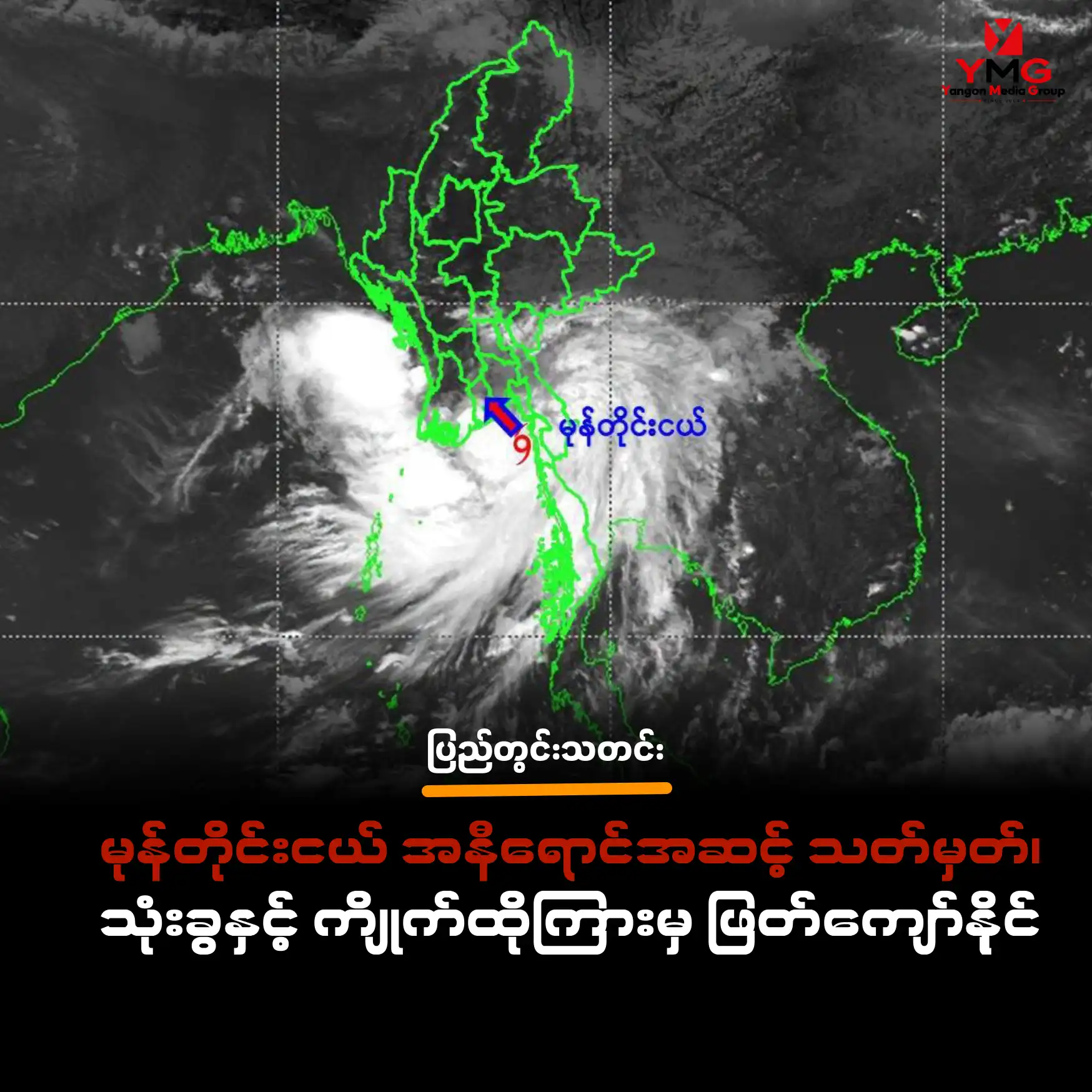
ရန်ကုန်၊ စက်တင်ဘာ ၂၈။ ကပ္ပလီပင်လယ်ပြင်မြောက်ပိုင်းနှင့် မုတ္တမကွေ့အနီးတွင် ဖြစ်ပေါ်နေသည့် လေဖိအားနည်းရပ်ဝန်းသည် ယနေ့ မွန်းလွဲပိုင်းတွင် မုန်တိုင်းငယ်အဖြစ် အားကောင်းလာပြီး မြန်မာနိုင်ငံကို ဖြတ်ကျော်နိုင်သဖြင့် အနီရောင်အဆင့် သတ်မှတ်ထားကြောင်း မြန်မာစံတော်ချိန် ၁ နာရီတွင် ထုတ်ပြန်သည့် မုန်တိုင်းငယ်သတိပေးချက် အမှတ်စဉ် (၀၁/၂၀၂၆) တွင် ဖော်ပြထားသည်။
မွန်းလွဲ ၁၂ နာရီခွဲ တိုင်းထွာချက်အရ မုန်တိုင်းငယ်၏ ဗဟိုချက်သည် မော်လမြိုင်မြို့၏ တောင်ဘက် ရေမိုင် ၅၀ ခန့်အကွာ ပင်လယ်ပြင်တွင် ရှိပြီး အမြင့်ဆုံးလေတိုက်နှုန်းမှာ တစ်နာရီလျှင် ၃၅ မိုင်ခန့် ဖြစ်သည်။ မုန်တိုင်းငယ်သည် မြောက်–အနောက်မြောက်ဘက်သို့ ရွေ့လျားကာ နောက် ၁၂ နာရီအတွင်း အားကောင်းသောမုန်တိုင်းငယ် အဖြစ်သို့ ရောက်ရှိပြီး ရန်ကုန်တိုင်းဒေသကြီး သုံးခွမြို့နှင့် မွန်ပြည်နယ် ကျိုက်ထိုမြို့ကြားမှ ဖြတ်ကျော်နိုင်ကြောင်း ခန့်မှန်းထားသည်။ ထို့နောက် ရန်ကုန်၊ ပဲခူးနှင့် မကွေးတိုင်းဒေသကြီးတို့ကို ဆက်လက်ဖြတ်ကျော်နိုင်သည်။
မုန်တိုင်းငယ်၏အရှိန်ကြောင့် ယနေ့မွန်းလွဲမှ စက်တင်ဘာ ၃၀ ရက်အတွင်း နေပြည်တော်၊ ရန်ကုန်၊ မန္တလေး၊ ပဲခူး၊ မကွေး၊ ဧရာဝတီနှင့် တနင်္သာရီတိုင်းဒေသကြီးများ၊ ကယား၊ ကရင်၊ မွန်၊ ရခိုင်ပြည်နယ်များနှင့် ရှမ်းပြည်နယ်တောင်ပိုင်းတို့တွင် မိုးထစ်ချုန်းရွာပြီး ဒေသအလိုက် သို့မဟုတ် နေရာကွက်၍ မိုးကြီးနိုင်သည်။
မြစ်ဝကျွန်းပေါ်၊ မုတ္တမကွေ့နှင့် မွန်–တနင်္သာရီကမ်းရိုးတန်းတစ်လျှောက်တွင် မိုးသက်လေပြင်းကျစဉ် လေတိုက်နှုန်း တစ်နာရီလျှင် ၃၅ မိုင်မှ ၄၀ မိုင်အထိ၊ လှိုင်းအမြင့် ၁၀ ပေမှ ၁၂ ပေအထိ ရှိနိုင်သည်။ ရခိုင်ကမ်းရိုးတန်းတွင် လေတိုက်နှုန်း တစ်နာရီလျှင် ၂၅ မိုင်မှ ၃၀ မိုင်အထိနှင့် လှိုင်းအမြင့် ၈ ပေမှ ၁၀ ပေအထိ ရှိနိုင်ကြောင်း သတိပေးထားသည်။
မိုးသည်းထန်ခြင်းနှင့် လေပြင်းတိုက်ခတ်ခြင်းတို့ကြောင့် ရုတ်တရက်ရေကြီးခြင်း၊ ရေလျှံခြင်းနှင့် မြေပြိုခြင်းများ ဖြစ်ပေါ်နိုင်သဖြင့် ကမ်းရိုးတန်းနှင့် မြစ်ဝကျွန်းပေါ်ဒေသနေပြည်သူများ၊ ပြည်တွင်းလေကြောင်းပျံသန်းရေးလုပ်ငန်းများ၊ ငါးဖမ်းရေယာဉ်များနှင့် သင်္ဘောများ ကြိုတင်သတိပြုကြရန် ထုတ်ပြန်ချက်တွင် နှိုးဆော်ထားသည်။
ရင်းမြစ် — ၂၀၂၆ ခုနှစ် စက်တင်ဘာ ၂၈ ရက်၊ မြန်မာစံတော်ချိန် ၁၃:၀၀ နာရီ ထုတ်ပြန်သည့် မုန်တိုင်းငယ်သတိပေးချက် အမှတ်စဉ် (၀၁/၂၀၂၆)။
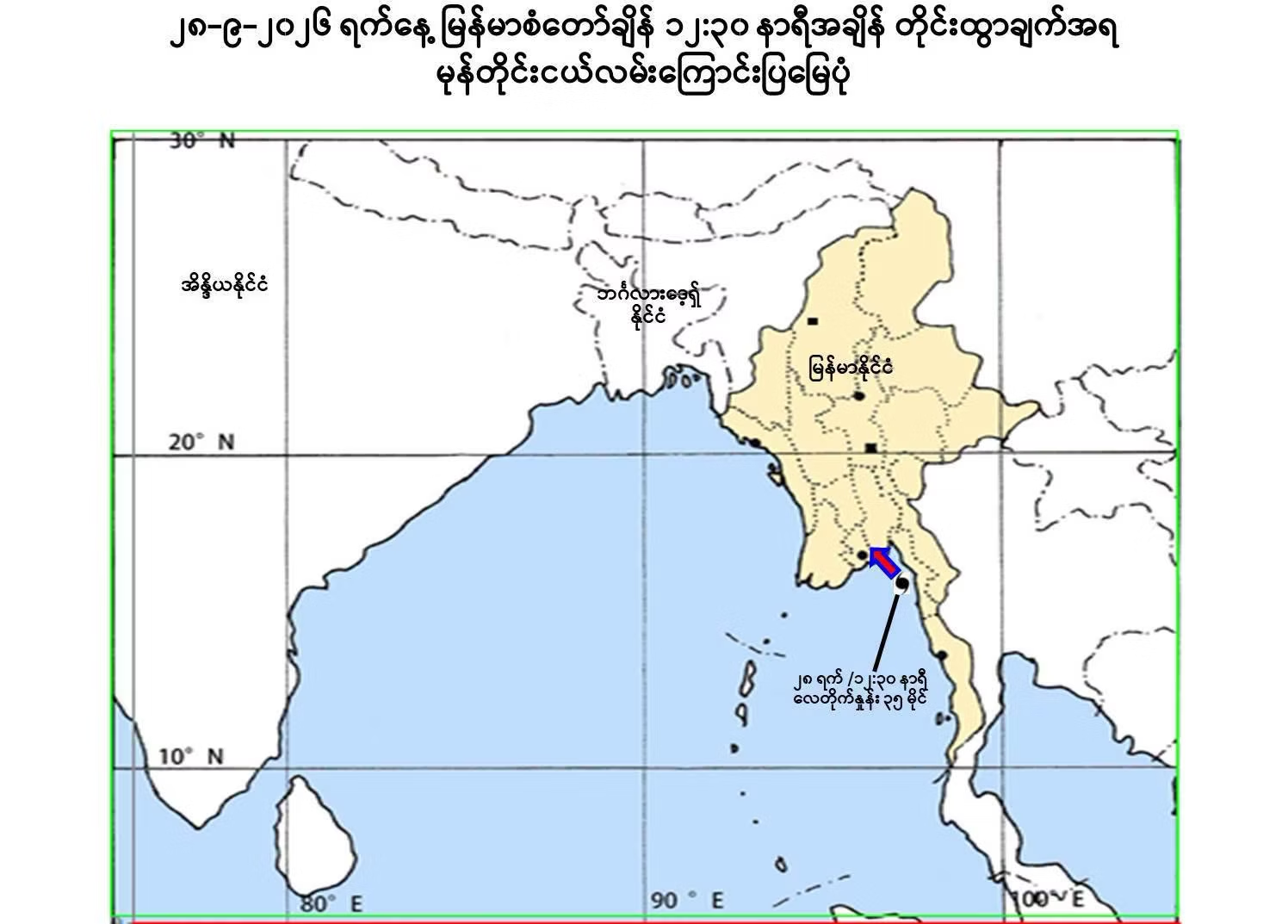
ဧရာမ ‘အပူလှိုင်းမုန်တိုင်းကြီးများ’ က ကမ္ဘာမြေကို ပူပြင်းလောင်ကျွမ်းစေလျက်ရှိသည်။ ဤသည်မှာ သမိုင်းတစ်လျှောက် စံချိန်တင် အကြီးမားဆုံး အပူလှိုင်းမုန်တိုင်းကြီးအကြောင်း ဖြစ်သည်။
၂၀ အောက်တိုဘာ၊၂၀၂၆-
ရိုက်တာ (Reuters) သတင်းဌာန၏ လေ့လာဆန်းစစ်ချက်အရ ယခင်က သီးခြားဖြစ်ပေါ်လေ့ရှိသော သာမန် "အပူလှိုင်း (Heat waves)" များသည် ယခုအခါ ကမ္ဘာ့မျက်နှာပြင် ကျယ်ပြန့်စွာကို လပေါင်းများစွာ သို့မဟုတ် နှစ်ချီ၍ ဖုံးလွှမ်းနိုင်သည့် ဧရာမ "အပူလှိုင်းမုန်တိုင်းများ (Heat storms)" အဖြစ် အသွင်ကူးပြောင်းလာပြီဖြစ်ကြောင်းဖော်ပြထားသည်။
အပူလှိုင်းမုန်တိုင်း (Heat Storm) သတ်မှတ်ချက်နှင့် စိုးရိမ်ဖွယ် ကိန်းဂဏန်းများ
Heat Storm Vera ၏ ကမ္ဘာလုံးဆိုင်ရာ အဖျက်စွမ်းအား (၂၀၂၃ ဇူလိုင် - ၂၀၂၄ ဇူလိုင်)
ရက်ပေါင်း ၃၆၇ ရက်ကြာ တိုက်ခတ်ခဲ့ပြီး ကမ္ဘာ့မျက်နှာပြင် ၈၅ ရာခိုင်နှုန်းအထိ ဖုံးလွှမ်းခဲ့သော ဆိုးရွားသည့် မုန်တိုင်းကြီးဖြစ်သည်။ အီရန်နိုင်ငံ Lut သဲကန္တာရတွင် ၅၃.၃ ဒီဂရီဆဲလ်စီးယပ်စ်အထိ စံချိန်တင်မြင့်တက်ခဲ့ပြီး ကမ္ဘာတစ်ဝန်း အောက်ပါ ဘေးအန္တရာယ်များကို ဆက်တိုက်ဖြစ်ပေါ်စေခဲ့သည် -
စံချိန်သစ်တင်ခဲ့သည့် Heat Storm Raimundo (၂၀၂၆)
Heat Storm Vera သည် ၎င်း၏သက်တမ်းတစ်လျှောက် ကမ္ဘာ့မျက်နှာပြင်၏ ၈၅ ရာခိုင်နှုန်းနီးပါးကို ဖြတ်သန်းခဲ့ပြီး စံချိန်တင်ခဲ့သည့်အပြင်၊ ၂၀၂၄ ခုနှစ် ဇန်နဝါရီလ ၅ ရက်နေ့တွင် ၎င်း၏အမြင့်ဆုံးအခြေအနေ၌ ကမ္ဘာ့မျက်နှာပြင်၏ ၃၁.၃ ရာခိုင်နှုန်းအထိ ဖုံးလွှမ်းနိုင်ခဲ့ကာ အကြီးမားဆုံးစံချိန်ကို တင်နိုင်ခဲ့သည်။ သို့သော် ယခုနှစ် (၂၀၂၆) နွေရာသီတွင် ထိုစံချိန်များကို Heat Storm Raimundo က ချိုးဖျက်သွားခဲ့သည်။
Heat Storm Raimundo အပူလှိုင်းမုန်တိုင်းကြီးသည် ဥရောပတစ်ခွင်ကို အလွန်အမင်း ပူပြင်းစေခဲ့ပြီး စပိန်နှင့် ပြင်သစ်နိုင်ငံတို့တွင် ဧရာမ တောမီးလောင်ကျွမ်းမှုကြီးများကို ဖြစ်ပေါ်စေခဲ့သည်။ ဩဂုတ်လ ၂၈ ရက်နေ့တွင် Raimundo သည် ကမ္ဘာ့မျက်နှာပြင်၏ ၃၃.၈ ရာခိုင်နှုန်းအထိ ကျယ်ပြန့်စွာ ဖုံးလွှမ်းနိုင်ခဲ့ပြီး Vera ၏ အမြင့်ဆုံးလွှမ်းခြုံနိုင်မှုစံချိန်ကို ကျော်လွန်သွားခဲ့သည်။ ၂၀၂၆ ခုနှစ် ဖေဖော်ဝါရီလ ၂၈ ရက်နေ့တွင် စတင်ဖြစ်ပေါ်ခဲ့သော ဤမုန်တိုင်းသည် လက်ရှိအချိန်အထိ ကမ္ဘာ့မျက်နှာပြင်၏ ၇၅ ရာခိုင်နှုန်းနီးပါး (လေးပုံ သုံးပုံခန့်) ကို ထိတွေ့ဖြတ်သန်းခဲ့ပြီးဖြစ်သည်။
Vera နှင့် Raimundo အပူလှိုင်းမုန်တိုင်းကြီး နှစ်ခုစလုံးသည် အရည်ပျော်နေသော နီပေါရေခဲမြစ်ပေါ်တွင် အချိန်အတိုင်းအတာတစ်ခုအထိ ဖုံးလွှမ်းတိုက်ခတ်ခဲ့ကြသည်။ ဩဂုတ်လ ၂၆ ရက်နေ့တွင် အဆိုပါရေခဲမြစ်ကြီး ပြိုကျပျက်စီးခဲ့ပြီး၊ ဆိုးရွားပြင်းထန်သော ရုတ်တရက် ရေကြီးရေလျှံမှုများနှင့် ရွှံ့နွံများပြိုကျမှု (နီပေါနိုင်ငံ၊ Devighat ဒေသ) တို့ ဆက်တိုက်ဖြစ်ပေါ်ခဲ့ကာ လူထောင်ပေါင်းများစွာ အသက်ဆုံးရှုံးခဲ့ရသည်။ ကနဦး လေ့လာတွေ့ရှိချက်များအရ အပူချိန်မြင့်တက်လာမှုများသည် ရေခဲမြစ်နှင့် ၎င်း၏အောက်ခံကျောက်လွှာများကို အားနည်းကာ ပြိုကျစေရန် အဓိက တွန်းအားပေးခဲ့ကြောင်း သိရသည်။
အဆိုပါရေခဲမြစ်ကြီး မပြိုကျမီအချိန်အထိ ၎င်းဧရိယာသည် ယခုဆယ်စုနှစ်အတွင်း အချိန်၏ ၅၈ ရာခိုင်နှုန်းခန့်ကို အပူလှိုင်း သို့မဟုတ် အပူလှိုင်းမုန်တိုင်းများအောက်တွင် ဖြတ်သန်းခဲ့ရသည်။ (၁၉၆၀ ပြည့်လွန်နှစ်များက ၇ ရာခိုင်နှုန်းသာ ရှိခဲ့သည်။) ပိုမိုဆိုးရွားသည့်အချက်မှာ ရေခဲမြစ်ကြီး မပြိုကျမီ ခြောက်ရက်တိတိ အဆိုပါနေရာကို Heat Storm Raimundo က အပြည့်အဝ ဖုံးလွှမ်းထားခဲ့ခြင်းဖြစ်သည်။
Raimundo ၏ အဖျက်စွမ်းအားသည် ယခုအချိန်အထိ ပြီးဆုံးမသွားသေးပေ။ မုန်တိုင်းသက်တမ်းမှာ ရက်ပေါင်း ၂၃၅ ရက်ရှိနေပြီဖြစ်ကာ ကမ္ဘာကြီးကို ဆက်လက် အပူလောင်မြိုက်နေဆဲဖြစ်သည်။
(Source: ရိုက်တာသတင်းဌာနက သုတေသနပြုရေးသားထားသည့် Giant ‘heat storms’ are scorching the Earth. This is the story of the biggest one on record.ဆောင်းပါးကို ကောက်နှုတ်ဖော်ပြပေးပါသည်။)

၁၄ ဧပြီ၊၂၀၂၆
စပါးကြီးမြွေတွေဟာ သမင်လို အကောင်ကြီးမျိုးကို တစ်ထိုင်တည်း မျိုချပြီးရင် လနဲ့ချီပြီး ဘာမှထပ်မစားဘဲ နေနိုင်ကြတဲ့ ထူးခြားတဲ့ အလေ့အထရှိပါတယ်။ အခုအခါမှာတော့ သိပ္ပံပညာရှင်တွေက မြွေတွေရဲ့ ဒီလိုထူးခြားတဲ့ ဇီဝကမ္မဖြစ်စဉ်မှာ အဓိကကျတဲ့ မော်လီကျူးတစ်ခုကို ရှာဖွေတွေ့ရှိခဲ့ပြီး၊ ဒါဟာ အဝလွန်သူတွေအတွက် ဆေးဝါးအသစ်တွေ ထုတ်လုပ်ရာမှာ လမ်းစတစ်ခု ဖြစ်လာနိုင်တယ်လို့ ဆိုပါတယ်။
မြွေတွေ အစာစားပြီးချိန်မှာ သူတို့ရဲ့ သွေးထဲမှာ အဆပေါင်း ၁၀၀၀ လောက်အထိ မြင့်တက်လာတတ်တဲ့ pTOS လို့ခေါ်တဲ့ မော်လီကျူးတစ်ခုကို အဝလွန်နေတဲ့ ကြွက်တွေကို စမ်းသပ်တိုက်ကြည့်ခဲ့ပါတယ်။ အဲဒီအခါ ကြွက်တွေဟာ အစားအသောက်ကို သိပ်မစားတော့ဘဲ ကိုယ်အလေးချိန် အမြန်ကျသွားတာကို အံ့ဩဖွယ် တွေ့ရှိခဲ့ရပါတယ်။ ဒီမော်လီကျူးဟာ Wegovy လို နာမည်ကြီး ဝိတ်ကျဆေးတွေနဲ့ ဆင်တူတဲ့ အာနိသင်မျိုး ပေးစွမ်းနိုင်တာကို တွေ့ရပါတယ်။
လက်ရှိသုံးနေတဲ့ Wegovy လို ဆေးတွေက အစာအိမ်ထဲကနေ အစာဆင်းတာကို နှေးစေပြီး အချိန်ကြာကြာ ဗိုက်ပြည့်နေသလို ခံစားရစေပေမယ့် ပျို့အန်တာ၊ ဝမ်းချုပ်တာနဲ့ ဗိုက်အောင့်တာမျိုးတွေ ဖြစ်စေတတ်ပါတယ်။ ဒါပေမဲ့ အခုတွေ့ရှိတဲ့ pTOS မော်လီကျူးကတော့ အဲဒီလို ဘေးထွက်ဆိုးကျိုးတွေ မရှိဘဲ၊ အစားစားချင်စိတ်ကို ထိန်းချုပ်ပေးတဲ့ ဦးနှောက်ရဲ့ အစိတ်အပိုင်း (Hypothalamus) ကို တိုက်ရိုက် သွားရောက်သက်ရောက်စေတာ ဖြစ်ပါတယ်။
"ကျွန်တော်တို့က မြွေတွေမှ မဟုတ်တာ" လို့ တွေးစရာရှိပေမယ့်၊ ဒီမော်လီကျူးက လူတွေရဲ့ ဆီးထဲမှာလည်း နည်းနည်းပါးပါး ပါဝင်နေတတ်တဲ့ သဘာဝဓာတ်တစ်ခု ဖြစ်ပါတယ်။ လူ့ခန္ဓာကိုယ်မှာလည်း သဘာဝအတိုင်း ရှိနေပြီးသားဖြစ်တဲ့အတွက် အနာဂတ်မှာ ဆေးအဖြစ်ထုတ်လုပ်တဲ့အခါ ဘေးထွက်ဆိုးကျိုးနည်းပြီး ပိုမိုဘေးကင်းလုံခြုံမှု ရှိနိုင်တယ်လို့ ပညာရှင်တွေက မျှော်လင့်နေကြပါတယ်။
ဒီရှာဖွေတွေ့ရှိမှုကို လူတွေမှာ လက်တွေ့ဆေးအဖြစ် အသုံးပြုနိုင်ဖို့အတွက်တော့ ထပ်ပြီး သုတေသနတွေ အများကြီး လုပ်ဖို့ လိုအပ်ပါသေးတယ်။ ဒါပေမဲ့ သဘာဝတရားကြီးထဲမှာ ဒီလို အလွန်အမင်း ထူးခြားတဲ့ အစွမ်းသတ္တိတွေရှိတဲ့ တိရစ္ဆာန်တွေဆီကနေ လူသားတွေ ကျန်းမာရေးအတွက် အကျိုးရှိမယ့်အရာတွေ အများကြီး သင်ယူနိုင်တယ်ဆိုတာကို ဒီလေ့လာမှုက သက်သေပြလိုက်တာပဲ ဖြစ်ပါတယ်။ Source: The Guardian

၁၄ ဧပြီ၊၂၀၂၆
လူအတော်များများက ကျန်းမာရေးအတွက် နေ့စဉ် အားဆေး (Multivitamins) တွေ သောက်လေ့ရှိကြပါတယ်။ ဒါပေမဲ့ တချို့သော ရောဂါကုသတဲ့ ဆေးဝါးတွေနဲ့ အားဆေးတွေကို တွဲသောက်လိုက်တဲ့အခါ ခန္ဓာကိုယ်က ဆေးစုပ်ယူမှုကို အနှောင့်အယှက်ဖြစ်စေနိုင်ပါတယ်။ ဗီတာမင်နဲ့ သတ္တုဓာတ်တွေက ဆေးဝါးတွေနဲ့ လမ်းကြောင်းတူတူ ဖြတ်သန်းရတာမို့ ဆေးအာနိသင်ကို ပြောင်းလဲသွားစေနိုင်လို့ သတိထားဖို့ လိုပါတယ်။
လည်ပင်းကျိတ် (သိုင်းရွိုက်) ဆေးတွေနဲ့ အရိုးပွရောဂါဆေးတွေဟာ အားဆေးတွေနဲ့ သိပ်မတည့်ပါဘူး။ အားဆေးထဲမှာပါတဲ့ ကယ်လ်ဆီယမ်နဲ့ သံဓာတ်တွေက အဲဒီဆေးတွေရဲ့ အာနိသင်ကို လျော့ကျစေပါတယ်။ ဒါကြောင့် ဒီဆေးတွေကို မနက် အစာမစားခင် ဗိုက်ဟာနေချိန်မှာ အရင်သောက်တာ အကောင်းဆုံးဖြစ်ပြီး၊ အားဆေးသောက်မယ်ဆိုရင် ဆေးသောက်ပြီး အနည်းဆုံး ၂ နာရီကနေ ၄ နာရီလောက် ခြားပြီးမှ သောက်သင့်ပါတယ်။
ပဋိဇီဝဆေး (ပိုးသတ်ဆေး) တွေ သောက်တဲ့အခါမှာလည်း အားဆေးနဲ့ အနည်းဆုံး ၂ နာရီလောက် ခြားသောက်ရပါမယ်။ မဟုတ်ရင် အားဆေးထဲက သတ္တုဓာတ်တွေနဲ့ ပေါင်းသွားပြီး ပိုးသတ်ဆေးက အပြည့်အဝ အာနိသင် မပြနိုင်တော့ပါဘူး။ သွေးကျဲဆေး (Warfarin) သောက်နေတဲ့သူတွေဆိုရင်လည်း အားဆေးထဲမှာပါတတ်တဲ့ ဗီတာမင် ကေ (Vitamin K) ကြောင့် သွေးခဲတာကို ကာကွယ်ပေးတဲ့ ဆေးအာနိသင်ကို ထိခိုက်စေနိုင်ပါတယ်။ ဒါကြောင့် ဗီတာမင် ကေ ပါတဲ့ အားဆေးတွေကို ကိုယ့်သဘောနဲ့ကိုယ် ရပ်လိုက်၊ သောက်လိုက် မလုပ်ဘဲ ဆရာဝန်နဲ့ သေချာတိုင်ပင်ပြီးမှ သောက်သင့်ပါတယ်။
ဆီးသွားစေတဲ့ဆေး (Diuretics) နဲ့ အစာအိမ်ဆေးတွေ သောက်နေရင်လည်း သတိထားရပါမယ်။ သွေးတိုးကျဖို့ပေးတဲ့ ဆီးဆေးတွေက ခန္ဓာကိုယ်ထဲက ဓာတ်ဆားတွေကို အပြောင်းအလဲဖြစ်စေလို့ အားဆေးတွေနဲ့ တွဲသောက်ရင် ကယ်လ်ဆီယမ်ဓာတ်တွေ အရမ်းများသွားတာမျိုး ဖြစ်တတ်ပါတယ်။ နောက်ပြီး အစာအိမ်လေနာဆေး (PPIs) တွေက အစာအိမ်အက်ဆစ်ကို လျှော့ချပေးတာမို့ အားဆေးထဲက ဗီတာမင် B12 နဲ့ သံဓာတ်တွေကို ခန္ဓာကိုယ်က ကောင်းကောင်း စုပ်ယူဖို့ ခက်ခဲသွားစေပါတယ်။
အချုပ်ပြောရရင်တော့ ပညာရှင်တွေက အားဆေးဆိုတာ လိုအပ်တဲ့ အာဟာရကို ဖြည့်တင်းပေးဖို့ပဲဖြစ်ပြီး အစားအစာအစစ်တွေနေရာမှာ အစားထိုးဖို့ မဟုတ်ဘူးလို့ ဆိုပါတယ်။ အကောင်းဆုံးကတော့ အသီးအနှံ၊ ဟင်းသီးဟင်းရွက်စတဲ့ သဘာဝအစားအစာတွေကိုပဲ မျှတအောင် စားသုံးပေးဖို့ပါ။ တကယ်လို့ သင်က ပုံမှန်သောက်နေရတဲ့ ဆေးတွေရှိတယ်ဆိုရင်တော့ အားဆေးတွေ မသောက်ခင် ဆရာဝန် သို့မဟုတ် ဆေးဝါးကျွမ်းကျင်ပညာရှင်နဲ့ အရင်ဆုံး တိုင်ပင်ဆွေးနွေးတာ အလုံခြုံဆုံးပါပဲ။

၂၁ ဖေဖော်ဝါရီ ၂၀၂၆-
မန်ချက်စတာယူနိုက်တက်အသင်းရဲ့ အဓိကရှယ်ယာရှင်နှင့်ပိုင်ရှင် ဂျင်မ် ရက်ကလစ်ဖ်ဟာ ဗြိတိန်နိုင်ငံကို ရွှေ့ပြောင်းနေထိုင်သူတွေက "နယ်ချဲ့ကျူးကျော်နေပြီ" လို့ ပြောကြားခဲ့တဲ့အတွက် ဝေဖန်မှုတွေ ထွက် ပေါ်ခဲ့ပေမဲ့၊ အင်္ဂလန်ဘောလုံးအဖွဲ့ချုပ် (FA) ကတော့ သူ့ကို အရေးယူမှာမဟုတ်ဘူးလို့ စနေနေ့မှာ အတည်ပြုလိုက်ပါတယ်။
ဒီကိစ္စနဲ့ပတ်သက်ပြီး ရက်ကလစ်ဖ်က သူသုံးနှုန်းခဲ့တဲ့ အသုံးအနှုန်းအတွက် ပြီးခဲ့တဲ့အပတ်က တောင်းပန်ခဲ့ပါတယ်။ ဒါပေမဲ့ နိုင်ငံရဲ့စီးပွားရေးမှာ လူဝင်မှုကြီးကြပ်ရေးပြဿနာက ဆွေးနွေးဖို့ အရေးကြီးတဲ့အချက်ဖြစ်တယ်လို့လည်း သူက ဆိုပါတယ်။ သူရဲ့ ကနဦးပြောကြားချက်တွေကြောင့် ဝန်ကြီးချုပ် ကီယာ စတာမာရဲ့ ပြစ်တင်ဝေဖန်မှုကိုတောင် ခံခဲ့ရတာပါ။
FA ရဲ့ ထုတ်ပြန်ချက်အရ ရက်ကလစ်ဖ်ကို အရေးယူမှုမလုပ်ပေမဲ့၊ အင်္ဂလိပ်ဘောလုံးလောကမှာ ပါဝင်ပတ်သက်နေသူတစ်ဦးအနေနဲ့ မီဒီယာတွေမှာ စကားပြောတဲ့အခါ ပိုပြီးတာဝန်ယူမှုရှိဖို့ သတိပေး ချက်တစ်ခုတော့ ထုတ်ပြန်ထားတယ်လို့ သိရပါတယ်။
ရက်ကလစ်ဖ်ဟာ ဖေဖော်ဝါရီ ၁၁ ရက်နေ့က အင်တာဗျူးမှာ "အစိုးရထောက်ပံ့ကြေးနဲ့ နေနေသူ ၉ သန်းလောက်ရှိပြီး ရွှေ့ပြောင်းနေထိုင်သူတွေ ဒီလောက်အလုံးအရင်းနဲ့ ဝင်လာနေရင် စီးပွားရေးက ဘယ်လိုမှ မကောင်းနိုင်ဘူး။ တကယ်တော့ ယူကေဟာ နယ်ချဲ့ခံနေရတာပါ၊ ဒါဟာ ကုန်ကျစရိတ်တွေ အရမ်းများလွန်းတယ်" ဆိုပြီး ထည့်သွင်းပြောကြားခဲ့တာပါ။
အသင်းပိုင်ရှင်ရဲ့ ဒီလိုအငြင်းပွားဖွယ်ရာ မှတ်ချက်တွေနဲ့ ပတ်သက်ပြီး မန်ယူမန်နေဂျာ မိုက်ကယ် ကာရစ်ကို မေးမြန်းတဲ့အခါမှာတော့ သူက ဒီကိစ္စထဲကို ဝင်မပါဘဲ ရှောင်လွှဲသွားခဲ့ပါတယ်။ ကာရစ်က "ကျွန်တော်တို့ ကလပ်အသင်းအနေနဲ့ တစ်ဦးကိုတစ်ဦး လေးစားဖို့၊ တန်းတူညီမျှရှိဖို့နဲ့ ကွဲပြား ခြားနားမှုတွေကို လက်ခံဖို့ဆိုတဲ့ မူဝါဒတွေကိုပဲ နေ့စဉ်ကျင့်သုံးသွားမှာပါ" လို့သာ တုံ့ပြန်ခဲ့ပါတယ်။
လောလောဆယ် မန်ချက်စတာယူနိုက်တက်ဟာ ၂၆ ပွဲကစားအပြီးမှာ ရမှတ် ၄၅ မှတ်နဲ့ အဆင့် ၄ နေရာ မှာ ရှိနေပါတယ်။ လာမယ့်တနင်္လာနေ့မှာ အဲဗာတန်နဲ့ ကစားရမှာဖြစ်ပြီး ချန်ပီယံလိဂ်ဝင်ခွင့်အတွက် အဆင့် ၄ အတွင်း မြဲနေအောင် ဆက်လက်ကြိုးစားသွားရမှာ ဖြစ်ပါတယ်။
Source: Reuters
၅ ဒီဇင်ဘာ၊၂၀၂၅
◾️ကမ္ဘာ့ဘောလုံးအဖွဲ့ချုပ် (FIFA) သည် ကမ္ဘာတစ်ဝန်း စည်းလုံးညီညွတ်မှုနှင့် ငြိမ်းချမ်းရေးအတွက် အထူး ဆောင်ရွက်သူများကို ဂုဏ်ပြုမည့် ယင်းတို့၏ ပထမဆုံး 'ငြိမ်းချမ်းရေးဆု' ကို စတင်ပေးအပ်ရန် စီစဉ်နေကြောင်း သိရသည်။ အမေရိကန်သမ္မတဒေါ်နယ်ထရမ့် ရရှိရန် မျှော်လင့်ရကြောင်း သတင်းများ က ဖော်ပြနေပြီး ဖီဖာဥက္ကဋ္ဌ ဂီယန်နီ အင်ဖန်တီနို နှင့် သမ္မတထရမ့်တို့ တွေ့ဆုံမည့် အစီအစဉ်လည်း ရှိနေ သည်ဟု ဂါဒီယန်သတင်းစာကရေးသားသည်။
◾️အဆိုပါဖီဖာ၏ ငြိမ်းချမ်းရေးဆုအတွက် လုပ်ငန်းစဉ်များကို ကြီးကြပ်ကွပ်ကဲမည့် သူမှာ ဖီဖာဘောလုံး ဆိုင်ရာလူမှုတာဝန်ယူမှုကော်မတီ (FIFA Football Social Responsibility Committee) ၏ ဥက္ကဋ္ဌအဖြစ်ခန့်အပ်ခံထားရသည့် မြန်မာနိုင်ငံ ဘောလုံးအဖွဲ့ချုပ် ဥက္ကဋ္ဌ ဦးဇော်ဇော် ဖြစ်သည်ဟုလည်း သတင်းတွင်ဖော်ပြထားသည်။
◾️နှစ်ပေါင်းများစွာ မြန်မာ့ဘောလုံးအဖွဲ့ချုပ်ကို ဦးဆောင်နေသည့် လုပ်ငန်းရှင်ကြီးဦးဇော်ဇော်သည် ယခု အခါတွင် ကမ္ဘာလုံးဆိုင်ရာ လူမှုတာဝန်ယူမှုနှင့် ငြိမ်းချမ်းရေးဆိုင်ရာ ကိစ္စရပ်များအတွက် အရေး ပါသော ဆုံးဖြတ်ချက်များကို ကိုင်တွယ်ရမည့် ကော်မတီကို ဦးဆောင်နေခြင်းဖြစ်သည်။
◾️ယင်း၏ ဦးဆောင်မှုအောက်တွင် ကော်မတီသည် ဖီဖာ၏ လူမှုရေးဆိုင်ရာ ရည်မှန်းချက်များနှင့် ငြိမ်း ချမ်းရေးရည်ရွယ်ချက်များကို အကောင်အထည်ဖော်ရန်ရှိနေသည်။
#ymg/knl
၂၂ နိုဝင်ဘာ၊၂၀၂၅-
ကမ္ဘာ့ဘောလုံးအဖွဲ့ချုပ်ဖြစ်သော FIFA သည် သဘာဝအရ နိုင်ငံသားပြုခွင့်ရရှိရေ စာရွက်စာတမ်းများကို မမှန်မကန် ပြင်ဆင်အသုံးပြုခဲ့သည်ဟု စွပ်စွဲခံထားရသော ကစားသမားခုနစ်ဦးအား ပိတ်ပင်လိုက်ပြီး နောက် မလေးရှားဘောလုံးအသင်း၏ ပြည်တွင်းလုပ်ငန်းဆောင်ရွက်မှုများကို တရားဝင် စုံစမ်းစစ်ဆေးမှု စတင်ရန် စီစဉ်နေသည်။
စက်တင်ဘာလနှောင်းပိုင်းတွင် FIFA ၏ စည်းကမ်းထိန်းသိမ်းရေးကော်မတီသည် ကစားသမား ခုနစ်ဦးဖြစ်သည့် - Gabriel Palmero ၊ Facundo Garcés၊ Rodrigo Holgado၊ Imanol Machuca၊ João Figueiredo၊ Hector Hevel နှင့် Jon Irazábal တို့အား နိုင်ငံတကာအဆင့်တွင် မလေးရှားနိုင်ငံကို ကိုယ်စားပြုနိုင်ရန်အတွက် စာရွက်စာတမ်း အတုများကို အသုံးပြုခဲ့ကြောင်း တွေ့ရှိရ ပြီးနောက် ၁၂ လ ပိတ်ပင်မှု ချမှတ်ခဲ့သည်။ ထို့အပြင် မလေးရှားဘောလုံးအဖွဲ့ချုပ် (FAM) အား ဆွစ်ဖရန့် ၃၅၀,၀၀၀ (အမေရိကန်ဒေါ်လာ ၄၃၉,၀၀၀ ခန့်) ဒဏ်ငွေပေးဆောင်ရန် အမိန့်ချခဲ့သည်။
စွပ်စွဲချက်အရ ထိုစာရွက်စာတမ်းများကို ယခင်က မလေးရှားတွင် နေထိုင်ခြင်း မရှိဖူးသော ထိုကစားသမားများသည် မလေးရှားမျိုးနွယ်မှ အဘိုးအဘွားများ ရှိကြောင်း သက်သေပြ ရန်အတွက် အသုံးပြုခဲ့ပြီး၊ ယင်းအား အသုံးပြု၍ သူတို့ကို မလေးရှားနိုင်ငံသားပြုခွင့် ရယူခဲ့ခြင်း ဖြစ်သည်။ FIFA က ယင်းသည် FIFA စည်းကမ်းထိန်းသိမ်းရေးဥပဒေပုဒ်မ ၂၂ ကို ချိုးဖောက်ခြင်း ဖြစ်သည်ဟု ပြောခဲ့သည်။
ကစားသမားခုနစ်ဦးစလုံးသည် ဇွန်လ ၁၀ ရက်နေ့တွင် ကျင်းပသော ၂၀၂၇ အာရှဖလား ခြေစစ်ပွဲ တတိယ အဆင့်တွင် ဗီယက်နမ်ကို ၄-၀ ဖြင့် အနိုင်ရရှိခဲ့သည့် မလေးရှားအသင်းတွင် ပါဝင်ခဲ့ကြပြီး၊ သူတို့အထဲမှ လေးဦး၏ ကစားခွင့်ကို FIFA မှ အတည်ပြုပေးပြီး တစ်ရက်အကြာတွင် ဖြစ်သည်။ (ကျန်သုံးဦးမှာ ဇွန်လ ၆ရက်နေ့တွင် ကစားခွင့်ရရှိခဲ့သည်)။ ထိုပွဲအပြီး မကြာမီတွင် FIFA သည် ယင်းတို့၏ ကစားခွင့် နှင့်ပတ်သက်၍ တိုင်ကြားချက်တစ်စောင် လက်ခံရရှိခဲ့ပြီး၊ ထိုတိုင်ကြားချက်တွင် ကစားသမားများ၏ “နိုင်ငံသားပြုလုပ်သည့် လုပ်ငန်းစဉ်နှင့် နိုင်ငံတကာပွဲဦးထွက်သည် မေးခွန်းထုတ်စရာအချိန်အတွင်း ဖြစ်ပေါ်ခဲ့သည်” ဟု တိုင်ကြားစာ၌ ဖော်ပြထားသည်။
မလေးရှားဘောလုံးအဖွဲ့ချုပ် သည် စည်းကမ်းထိန်းသိမ်းရေးကော်မတီ၏ ဆုံးဖြတ်ချက်ကို အယူခံဝင်ခဲ့ သော်လည်း နိုဝင်ဘာလ ၃ ရက်နေ့တွင် FIFA က ယင်းအယူခံကို ပယ်ချခဲ့သည်။
အင်္ဂါနေ့တွင် ထုတ်ပြန်သည့် ကြေညာချက်တွင် FIFA က တာဝန်ရှိသူကို အတိအကျ ဖော်ထုတ် နိုင်ရန်အတွက် မလေးရှားဘောလုံးအဖွဲ့ချုပ်၏ ပြည်တွင်းလုပ်ငန်းဆောင်ရွက်မှုများအား တရားဝင် စုံစမ်းစစ်ဆေးမှုများ စတင်ကာ ကိစ္စရပ်များကို ပိုမိုနက်ရှိုင်းစွာ ဆောင်ရွက်သွားရန် စီစဉ်ထားကြောင်း ပြောကြားခဲ့သည်။
“ဤစုံစမ်းစစ်ဆေးမှုသည် စာရွက်စာတမ်းအတုပြုလုပ်မှုရာတွင် တာဝန်ရှိသူများကို ဖော်ထုတ်ရန်၊ မလေး ရှားဘောလုံးအဖွဲ့ချုပ်၏အဖွဲ့အစည်းအတွင်းလေးစားလိုက်နာမှုနှင့်အုပ်ချုပ်မှုယန္တရားများကမည်မျှလုံလောက်မှု၊ ထိရောက်မှုကိုရှိသည်ကိုအကဲဖြတ်ရန်၊ မလေးရှားဘောလုံးအဖွဲ့ချုပ်အရာရှိများအပေါ် နောက် ထပ် စည်းကမ်းထိန်းသိမ်းရေး အရေးယူမှုများ ပြုလုပ်သင့်၊မပြုလုပ်သင့်ကို ဆုံးဖြတ်ရန် ရည်ရွယ်သည်” ဟု FIFA ၏ပြောကြားချက်ကို ရိုက်တာသတင်းဌာနကဖော်ပြခဲ့သည်။
အဆိုပါနိုင်ငံသားပြုလုပ်မှု အရှုပ်တော်ပုံသည် ကွင်းအတွင်းရော ကွင်းပြင်ပတွင်ပါ သိသာထင်ရှားသော သက်ရောက်မှုများ ဖြစ်ပေါ်စေခဲ့သည်။ မလေးရှားနိုင်ငံအတွက် ပထမဆုံးအကြိမ် အာရှဖလား ဝင်ခွင့်ရရှိရေး မျှော်လင့်ချက်ကို အဟန့်အတား ဖြစ်စေနိုင်ပြီး ဘောလုံးပရိသတ်များအကြား ဆူပူမှုများ ဖြစ်ပေါ်စေသည့်အပြင်၊ ဤအငြင်းပွားဖွယ်ရာကိစ္စသည် ကစားသမားများအား နိုင်ငံသားပြုခွင့်ပေးခဲ့သော ပြည်ထဲရေးဝန်ကြီးဌာနနှင့် အမျိုးသားမှတ်ပုံတင်ရေးဦးစီးဌာနတို့အပြင် မလေးရှားဘောလုံးအဖွဲ့ချုပ် ရှိ တာဝန်ရှိအရာရှိများအား တာဝန်ယူရန် ပရိသတ်များနှင့် နိုင်ငံရေးသမားများထံမှ တောင်းဆိုမှုများကို ဖြစ်ပေါ်စေခဲ့သည်။
အောက်တိုဘာလ ၁၇ ရက်နေ့တွင် မလေးရှားဘောလုံးအဖွဲ့ချုပ် သည် ယင်း၏ အထွေထွေ အတွင်းရေးမှူးအား ရာထူးမှ ဆိုင်းငံ့ထားပြီး FIFA ၏ ပိတ်ပင်မှုများကို ဖြစ်ပေါ်စေခဲ့သည့် သူတို့အခေါ်“နည်းပညာပိုင်းဆိုင်ရာအမှား” ကို စုံစမ်းစစ်ဆေးရန် လွတ်လပ်သော ကော်မတီတစ်ရပ်ကို ဖွဲ့စည်းမည်ဟု ကြေညာခဲ့သည်။ သို့သော် သူတို့က စာရွက်စာတမ်းများကို ရည်ရွယ်ချက်ရှိရှိဖြင့် အတုပြုလုပ်ခဲ့သည်ဟူသော FIFA ၏ ပြောကြားချက်ကို ငြင်းပယ်ခဲ့သည်။ နိုဝင်ဘာလ ၃ ရက်နေ့တွင် အယူခံပယ်ချခံရပြီးနောက် မလေးရှားဘောလုံးအဖွဲ့ချုပ်က က အားကစားဆိုင်ရာ ခုံသမာဓိတရားရုံး (CAS) သို့ အမှုအား ဆက်လက်တင်ပြသွားမည်ဖြစ်ကြောင်း ပြောကြားခဲ့ပြီး၊ FIFA ၏ အင်္ဂါနေ့ကြေညာချက်အပြီးတွင်လည်း ယင်းအချက်ကို ထပ်မံအတည်ပြုပြောကြားခဲ့သည်။
မလေးရှားဘောလုံးအဖွဲ့ချုပ်၏ ယာယီဥက္ကဋ္ဌ Mohd Yusoff Mahadi က ကြေညာချက်တွင် "ဤလုပ်ဆောင်ချက်ကို တရားမျှတမှု ထိန်းသိမ်းရန်နှင့် မလေးရှားအစိုးရနှင့် သက်ဆိုင်ရာအဖွဲ့အစည်း များက သတ်မှတ်ထားသည့် ကစားသမားအရည်အချင်းပြည့်မီမှု လုပ်ငန်းစဉ်၏ သမာဓိကို ထိန်းသိမ်းရန် အတွက် ဆောင်ရွက်ခြင်းဖြစ်သည်" ဟု ပြောကြားခဲ့သည်။ မလေးရှား ပြည်ထဲရေးဝန်ကြီး Nasution Ismailကလည်း ကစားသမားခုနစ်ဦးအား နိုင်ငံသားပြုလုပ်ရန် ဆုံးဖြတ်ချက်ကို ကာကွယ်ပြောဆိုခဲ့သည်။
ESPN သတင်းဌာန၏ ဖော်ပြချက်အရ အင်္ဂါနေ့တွင် FIFA သည် စာမျက်နှာ ၆၃ မျက်နှာပါ အစီရင်ခံစာတစ်စောင်ကို ထုတ်ပြန်ခဲ့သည်။ အစီရင်ခံစာတွင် ကစားသမားများသည် စပိန်၊ ဘရာဇီး၊ အာဂျင်တီးနားနှင့် နယ်သာလန်တို့တွင် မွေးဖွားကြောင်း သူတို့၏ မူရင်းမွေးစာရင်းတွင် ဖော်ပြထားသည့် အဘိုးအဘွားများမှတစ်ဆင့် မလေးရှားမျိုးနွယ်ရှိကြောင်း သက်သေပြရန် စာရွက်စာတမ်းအတုများကို မည်သို့ အသုံးပြုခဲ့သည်ကို အသေးစိတ် ဖော်ပြထားကြောင်းသိရသည်။
ခြုံငုံပြောရလျှင် FIFA သည် အဆိုပါ မလျော်ကန်မှုအား အပြည့်အဝ စုံစမ်းစစ်ဆေးရန်အတွက် “နောက် ထပ် စုံစမ်းစစ်ဆေးမှုများ စတင်ရန် ခိုင်လုံသောအကြောင်းပြချက်များ” ကို တွေ့ရှိခဲ့သည်။ ထို့အပြင် “ပြစ်မှုများ၏ သဘာဝနှင့် ကြီးလေးမှု၊ အထူးသဖြင့် တရားဝင်စာရွက်စာတမ်းများကို အတုပြုလုပ်မှုတို့ကို ထည့်သွင်းစဉ်းစား၍” ယင်း၏ အတွင်း ရေးမှူးရုံးသည် မလေးရှား၏ သက်ဆိုင်ရာ ရာဇဝတ်မှုဆိုင်ရာ အာဏာပိုင်များအား အသိပေးမည်ဖြစ်သကဲ့သို့ ဘရာဇီး၊ အာဂျင်တီးနား၊ နယ်သာလန်နှင့် စပိန်ရှိ အာဏာပိုင်များကိုလည်း အသိပေးမည်ဖြစ်ကြောင်း ပြောကြားခဲ့သည်။
“သင့်လျော်သော ရာဇဝတ်မှုဆိုင်ရာ စုံစမ်းစစ်ဆေးမှုများနှင့် တရားစွဲဆိုမှုများကို ဆက်လက် ဆောင်ရွက်နိုင်ရန် သက်ဆိုင်ရာ အာဏာပိုင်များအား အသိပေးရန် အလွန်အရေးကြီးသည်” ဟု FIFA က ပြောကြားခဲ့သည်။
Source The Diplomat
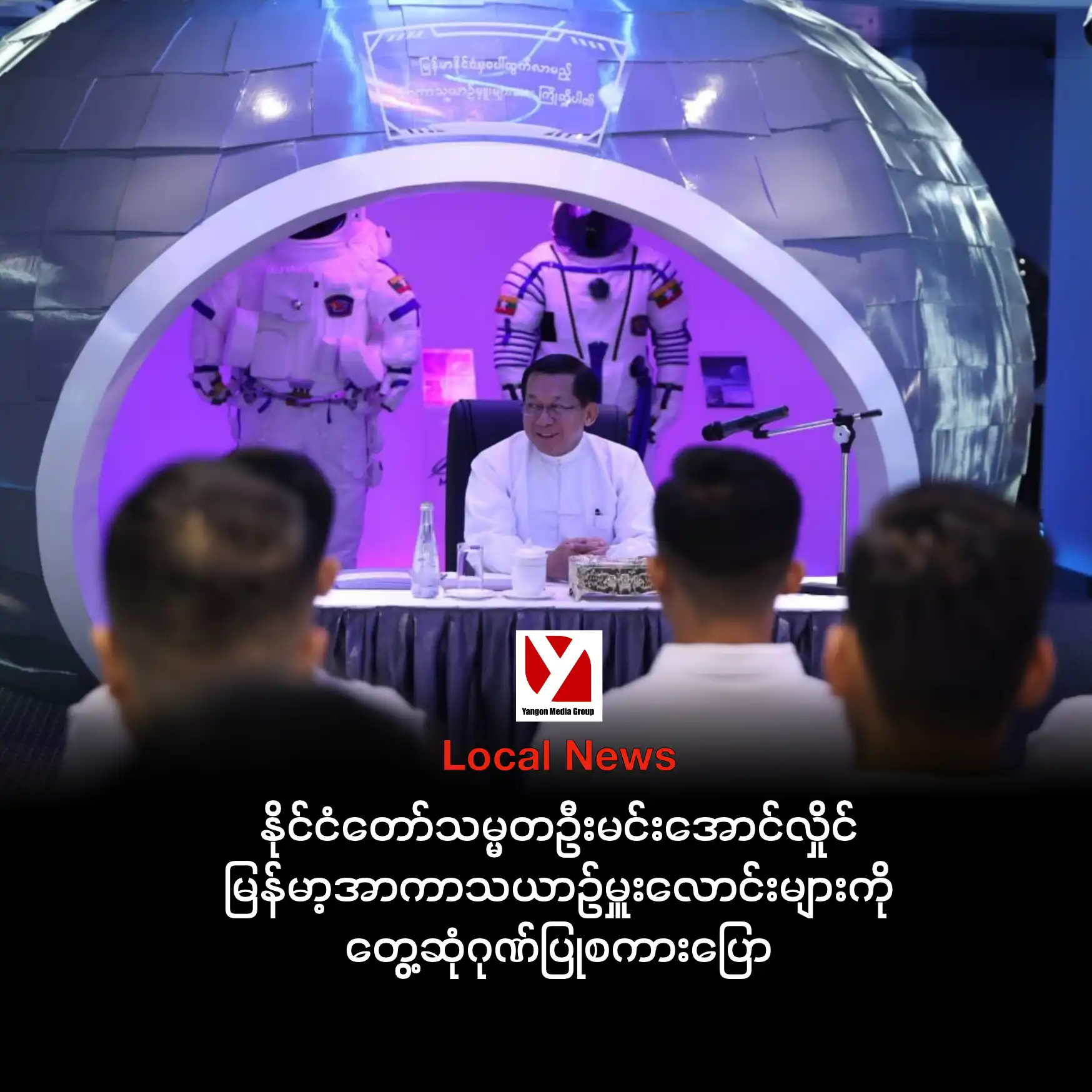
၂၇ ဇူလိုင်၊၂၀၂၆
အာကာသယာဉ်မှူးလောင်းများအဖြစ် လက်ရှိအဆင့်အထိ ရွေးချယ်ခံခဲ့ကြရသူများဖြစ်သည့်အတွက် မိဘများနှင့် ထပ်တူများစွာ ဂုဏ်ယူဝမ်းမြောက်မိကြောင်း နိုင်ငံတော်သမ္မတ ဦးမင်းအောင်လှိုင်က မြန်မာနိုင်ငံမှ ပထမဆုံးသောအာကာသယာဉ်မှူးတာဝန် ထမ်းဆောင်ရန်အတွက် ပဏာမရွေးချယ် ထားရှိသောအာကာသယာဉ်မှူးလောင်းများကိုတွေ့ဆုံစဉ်ပြောကြားခဲ့သည်။
နိုင်ငံတော်အစိုးရ၏ ရက် ၁၀၀ စီမံချက်ကာလအတွင်း မြန်မာအာကာသအေဂျင်စီ(MSA)က ဆောင်ရွက် ပြီးစီးခဲ့သည့် နည်းပညာလုပ်ငန်းများအပ်နှံခြင်းနှင့် လက်တွေ့သရုပ်ပြခြင်းအခမ်းအနားကို ဇူလိုင် ၂၇ ရက်နေ့ ယနေ့ နံနက်ပိုင်းတွင်ရန်ကုန်တိုင်းဒေသကြီး၊ လှိုင်မြို့နယ်ရှိ မြန်မာအာကာသ အေဂျင်စီ (MSA)၌ ကျင်းပပြုလုပ်စဉ် နိုင်ငံတော်သမ္မတ ဦးမင်းအောင်လှိုင်က မြန်မာနိုင်ငံမှ ပထမဆုံးသောအာကာသယာဉ် မှူးတာဝန် ထမ်းဆောင်ရန်အတွက် ပဏာမရွေးချယ်ထားရှိသောအာကာသယာဉ်မှူးလောင်းများအား ရင်းရင်းနှီးနှီးတွေ့ဆုံရာတွင် ယင်းကဲ့သို့မှာကြားခဲ့ခြင်းဖြစ်သည်။
နိုင်ငံတော်၏ ပထမဆုံးသောအာကာသယာဉ်မှူးများအဖြစ် တာဝန်ထမ်းဆောင်လိုသည့် ပြင်းပြသည့် စိတ်ဆန္ဒများဖြင့်ယခုကဲ့သို့ ဆန္ဒပြုခဲ့ ရွေးချယ်ခြင်းခံခဲ့ကြရသည့်အတွက်လည်း ဝမ်းမြောက်မိပါကြောင်း၊အဆင့်ဆင့်သော စိစစ်မှုများကို ဆက်လက်ဆောင်ရွက်သွားမည်ဖြစ်ပြီးနောက်ဆုံးတွင် နိုင်ငံတော် အတွက် ပထမဆုံးသော အာကာသယာဉ်မှူးများကို ရွေးချယ်သွားမည်ဖြစ်ကြောင်းလည်း နိုင်ငံတော် သမ္မတကဆက်လက်ပြောကြားးသည်။
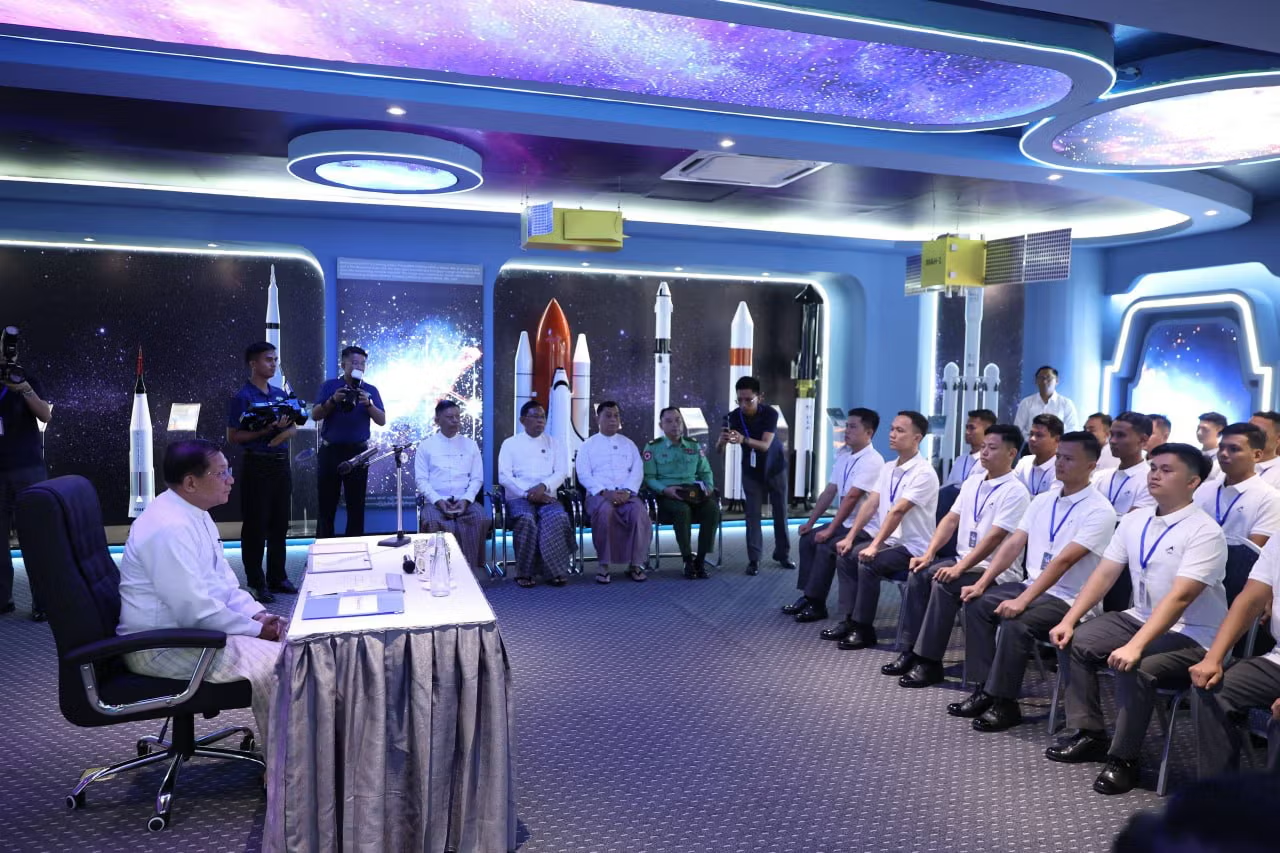
နိုင်ငံတော်သမ္မတအား အာကာသသိပ္ပံနှင့် နည်းပညာဖွံ့ဖြိုးတိုးတက်ရေးကော်မရှင်ဥက္ကဋ္ဌဦးမြတ်ဟိန်းနှင့် တာဝန်ရှိသူများက မြန်မာအာကာသအေဂျင်စီပြခန်းဆောင်အတွင်း ပြခန်းတစ်ခုချင်းအလိုက် ပြသ ရှင်းလင်း သည်။
မြန်မာအာကာသအေဂျင်စီမှ အောင်မြင်စွာ အကောင်အထည်ဖော်တည်ဆောက်ပြီးစီးခဲ့သည့် MAH-1 ဂြိုဟ်တုစီမံထိန်းချုပ်ရေး စခန်းဆိုင်ရာများ၊ Earth Remote Sensing(ERS) Application Platform အား စနစ်တကျ အကောင်အထည်ဖော်ဆောင်ရွက်မှုများ၊ပဲခူးမြို့နယ်၏ သဘာဝပတ်ဝန်းကျင် နှင့် ဒေသ ဖွံ့ဖြိုး ရေးအခြေအနေများအား Earth Remote Sensing နည်းပညာဖြင့် လေ့လာသုံးသပ်တင်ပြချက်များ၊
ADVANCEDROBOTIC SYSTEM ၊ နေအာရုံခံကိရိယာအား အောင်မြင်စွာ ဒီဇိုင်းရေးဆွဲ တည်ဆောက်နိုင်မှု အပါအဝင် ဆောင်ရွက်နေသည့်လုပ်ငန်းမျာနှင့်ပြခန်းအလိုက်အချက် အလက်များကို တာဝန်ရှိသူများက နိုင်ငံတော်သမ္မတအားရှင်းလင်းတင်ပြခဲ့သည်။
“မိမိတို့နိုင်ငံ၏ အာကာသနည်းပညာ မြင့်မားတိုးတက်လာစေရေးအတွက် မိမိအနေဖြင့် နိုင်ငံတော်၏ ရေ ရှည်အကျိုးကိုကြည့်၍ပံ့ပိုးအကောင်အထည်ဖော်ဆောင်ရွက်ခဲ့ကြောင်း၊ယခုကဲ့သို့အာကာသနည်းပညာ များ တိုးတက်လာခြင်းဖြင့် နိုင်ငံအတွက်များစွာအကျိုးဖြစ်ထွန်းစေမည်ဖြစ်ကြောင်း”လည်း နိုင်ငံတော် သမ္မတ ဦးမင်းအောင်လှိုင်က လမ်းညွှန်မှာကြားခဲ့ကြောင်းသိရသည်။
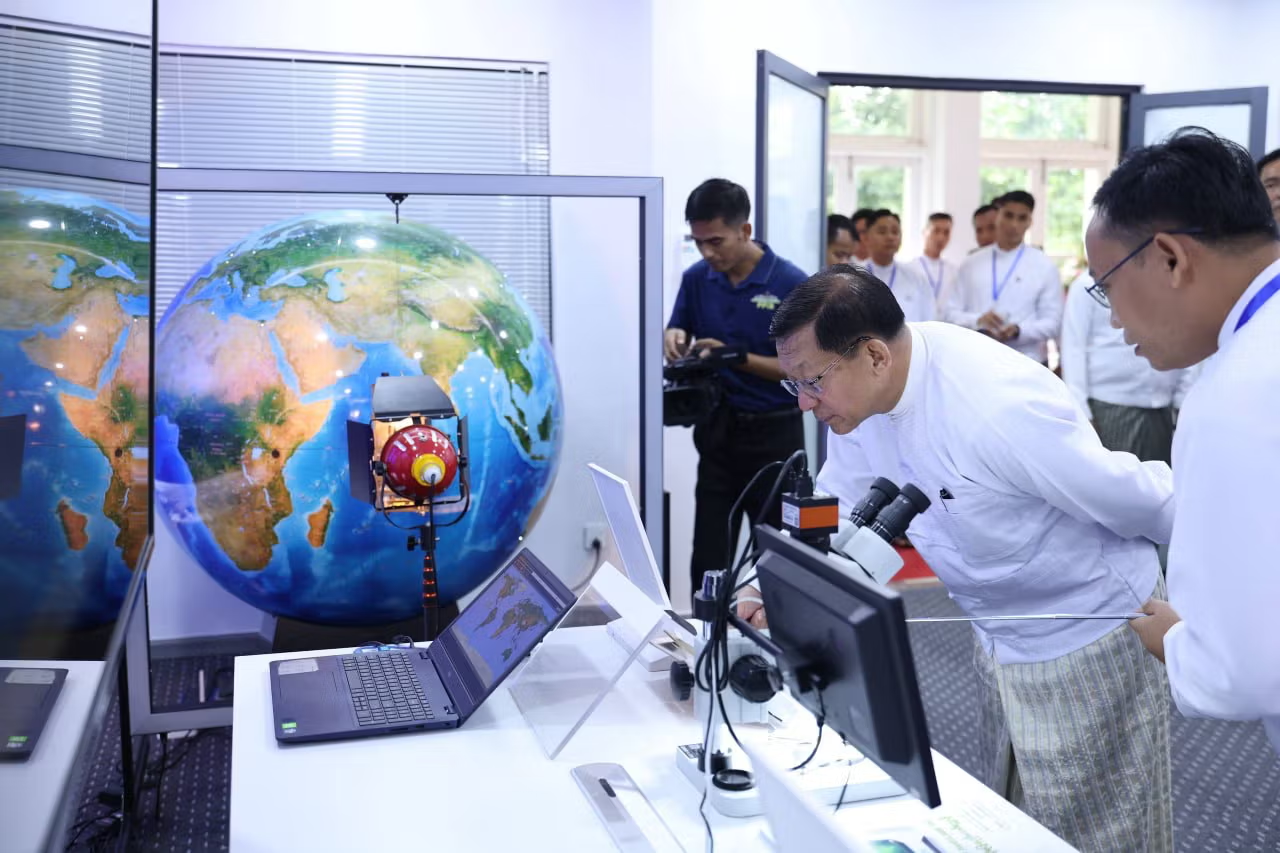
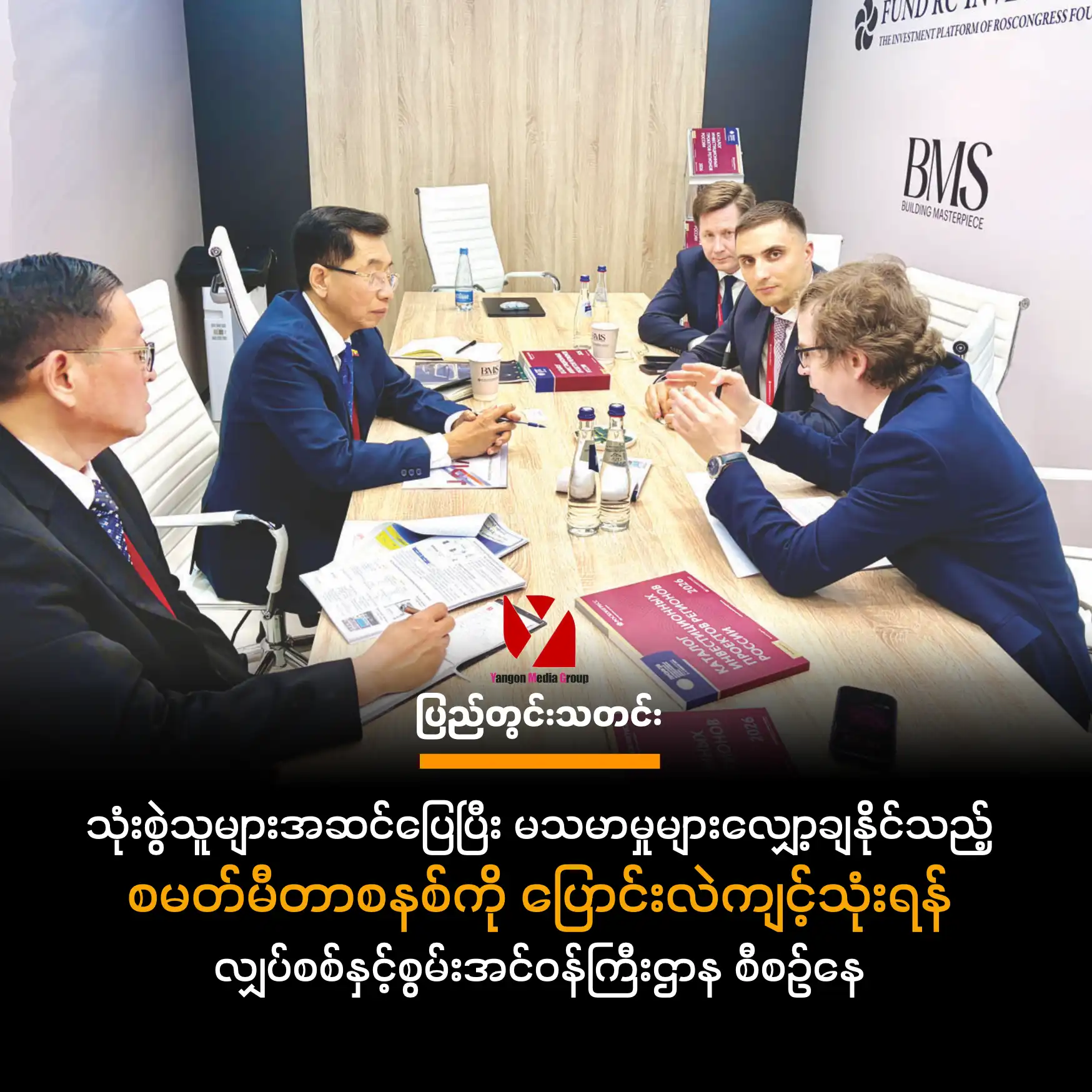
၇ဇွန်၊၂၀၂၆- သုံးစွဲသူများအဆင်ပြေပြီး မသမာမှုများလျှော့ချနိုင်သည့် စမတ်မီတာစနစ်ကို မြန်မာနိုင်ငံ တွင် စတင် အသုံးပြုနိုင်ရေးအတွက် လျှပ်စစ်နှင့် စွမ်းအင်ဝန်ကြီးဌာနက ကြိုးပမ်းစီစဉ်နေတယ်လို့ ဝန်ကြီး ဌာနမှ သိရပါတယ်။
ထိုသို့ကြိုးပမ်းမှု၏ အစိတ်အပိုင်းတစ်ခုအဖြစ် ရုရှားနိုင်ငံ စိန့်ပီတာစဘတ်မြို့တွင်ရောက်ရှိနေသည့် လျှပ်စစ်နှင့်စွမ်းအင်ဝန်ကြီဂဌာန ပြည်ထောင်စုဝန်ကြီး ဦးကိုကိုလွင်သည် ရုရှားနည်းပညာကုမ္ပဏီကြီး တစ်ခုဖြစ်သည့် Telematic Solution Co., Ltd အမှုဆောင် အရာရှိချုပ် Mr. Vladimir Parshin အား ဇွန် ၄ ရက်နေ့ကတွေ့ဆုံခဲ့တယ်လို့ ဝန်ကြီးဌာနရဲ့ သတင်းထုတ်ပြန်ချက်မှာဖော်ပြထားပါတယ်။
ရုရှားဖက်ဒရေးရှင်းနိုင်ငံ စိန့်ပီတာစဘတ်မြို့၌ ကျင်းပလျက်ရှိသည့် (၂၉) ကြိမ်မြောက် စိန့်ပီတာစဘတ် နိုင်ငံတကာစီးပွားရေးဖိုရမ်သို့ ပြည်ထောင်စုသမ္မတမြန်မာနိုင်ငံတော် ဒုတိယသမ္မတ ဦးညိုစောနှင့်အတူ တက်ရောက်လျက်ရှိသည့် လျှပ်စစ်နှင့်စွမ်းအင်ဝန်ကြီးဌာန ပြည်ထောင်စုဝန်ကြီး ဦးကိုကိုလွင်သည် ရုရှားဖက်ဒရေးရှင်းသမ္မတနိုင်ငံ Telematic Solution Co., Ltd. မှ အမှုဆောင် အရာရှိချုပ် Mr. Vladimir Parshin အား ယမန်နေ့ ညနေပိုင်းတွင် EXPOFORUM Convention and Exhibition Centre ၌ တွေ့ဆုံခဲ့ပါတယ်။
ပြည်ထောင်စုဝန်ကြီးနှင့် Telematic Solution ၏ အမှုဆောင်အရာရှိချုပ်တို့သည် ရုရှား၏ ကိုယ်ပိုင် နည်းပညာဖြင့် ထုတ်လုပ်ထားသည့် ဒီဂျစ်တယ်နည်းပညာသုံး မီတာဖတ်ယူသည့်စနစ်နှင့် သုံးစွဲသူများက မီတာခများ ပေးဆောင်နိုင်သည့် Smart meter စနစ် မြန်မာနိုင်ငံတွင် အသုံးပြုနိုင်ရန်အတွက် ရင်းနှီးမြှုပ်နှံ၍ နည်းပညာလွှဲပြောင်းပေးအပ်နိုင်ရန် ကိစ္စရပ်များ၊ လက်ရှိအသုံးပြုနေသည့် စနစ်တွင် ပေါင်းစပ်၍ အဆင့်မြှင့်တင်သွားနိုင်ရန် ကိစ္စရပ်များကို ဆွေးနွေးခဲ့ကြပါတယ်။
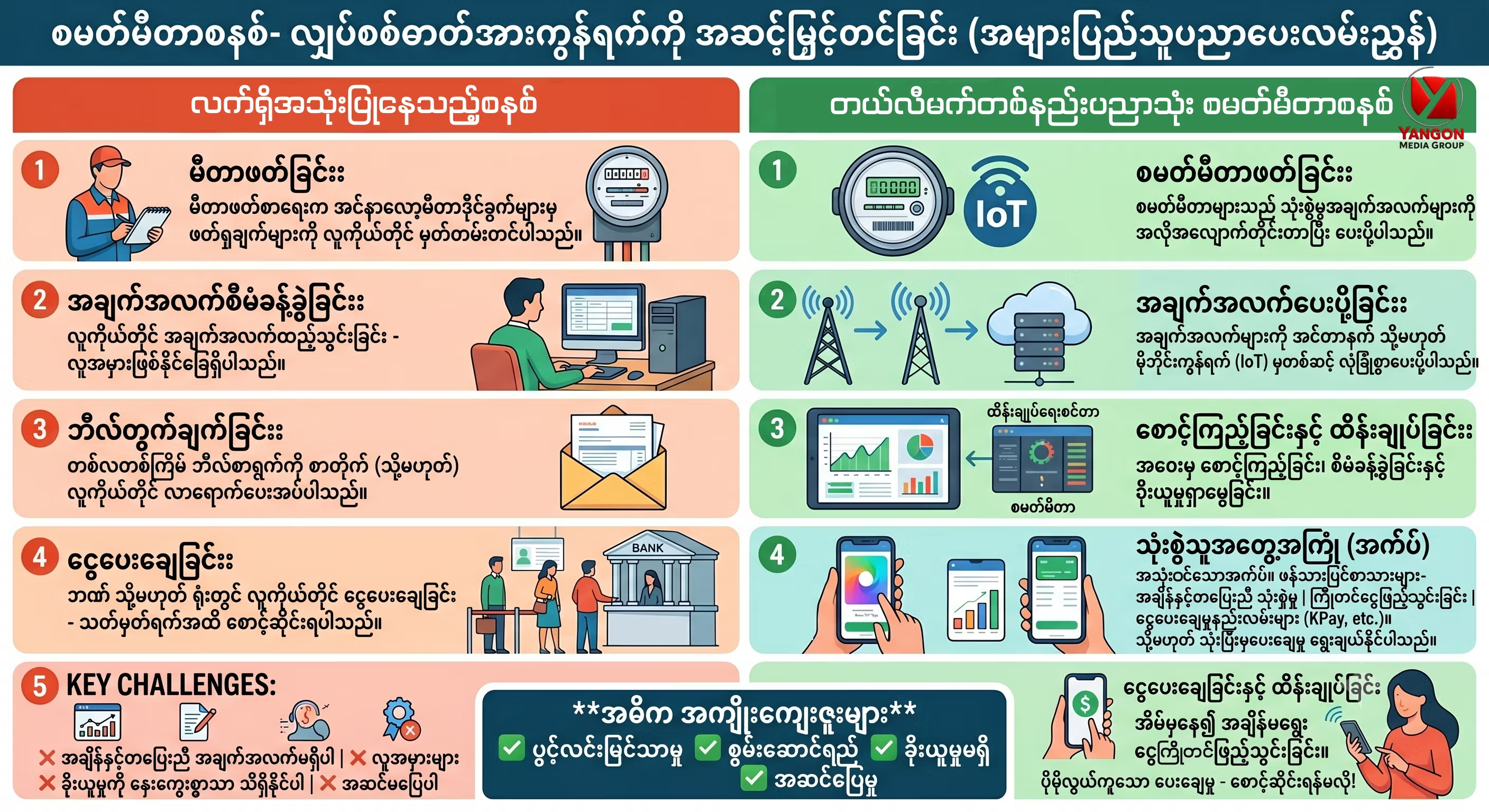
စမတ်မီတာအသုံးပြုခြင်းဖြင့် အချိန်နှင့်တပြေးညီ လျှပ်စစ်ဓါတ်အားသုံးစွဲနေမှုများကို သုံးစွဲသူများက မိုဘိုင်းလ်ဖုန်းပေါ်ရှိအက်ပလီကေးရှင်းမှတစ်ဆင့်သိရှိနိုင်ပြီး ယင်းကိုအသုံးပြ၍လည်း လျှပ်စစ် သုံးစွဲခ (မီတာခ)ကို ကြိုတင်ငွေချေစနစ်( Prepaid) နည်းဖြင့်ဖြစ်စေ၊ ယခုလို လစဉ် မီတာခဆောင်သော နည်းလမ်းဖြင့်ဖြစ်စေ ဆောင်ရွက်နိုင်ကြမှာဖြစ်ပါတယ်။
ထို့အပြင် မီတာဖတ်ရာတွင် မတိကျမှုများ၊ မသမာမှုဆောင်ရွက်ခြင်းများ စသည့် မလိုလားအပ်သော လေလွင့်ဆုံးရှုံးမှုများနှင့် အခက်အခဲများကိုပါ ဖြေရှင်းပေးနိုင်မှာဖြစ်ကြောင်းသိရပါတယ်။
------------

၉ မေ၊၂၀၂၆ (တိုကျို)
စစ်မြေပြင်မှာ အဆုံးရှုံးခံ တိုက်ခိုက်မယ့် စစ်ဆင်ရေးတွေနဲ့ အုပ်စုလိုက် ဝိုင်းရံတိုက်ခိုက်တဲ့ "Swarm Warfare" ဗျူဟာတွေအတွက် ဂျပန်နိုင်ငံဟာ အလွန်ဈေးသက်သာတဲ့ စက္ကူဂျပ်ဖာဒရုန်းတွေကို စတင်အသုံးပြုဖို့ ပြင်ဆင်နေပြီ ဖြစ်ပါတယ်။ ဒီဒရုန်းတစ်စီးရဲ့ တန်ဖိုးဟာ အမေရိကန်ဒေါ်လာ ၂,၀၀၀ ခန့်သာ ရှိတာကြောင့် အဆင့်မြင့် Gaming PC တစ်လုံးရဲ့ ဈေးနှုန်းထက်တောင် ပိုပြီး သက်သာနေတာပါ။
ဘာကြောင့် စက္ကူဂျပ်ဖာကို သုံးတာလဲ
ဒီဒရုန်းတွေကို ဂျပန်အခြေစိုက် ကုမ္ပဏီတစ်ခုက ထုတ်လုပ်တာဖြစ်ပြီး အထူးပြုပြင်ထားတဲ့ စက္ကူဂျပ်ပြား (Cardboard) တွေကို အဓိက အသုံးပြုထားပါတယ်။ ဒါဟာ ကြည့်ရတာ ရိုးရှင်းပေမဲ့ အားသာချက် အများကြီးရှိပါတယ် -
စရိတ်သက်သာခြင်း- ဒေါ်လာ ထောင်သောင်းချီတန်တဲ့ ဒရုန်းတွေထက် အဆပေါင်းများစွာ သက်သာတဲ့အတွက် ရာနဲ့ချီတဲ့ ဒရုန်းတွေကို တစ်ပြိုင်နက်တည်း အသုံးပြုဖို့ လွယ်ကူစေပါတယ်။
ရေဒါ ရှောင်ကွင်းနိုင်ခြင်း- စက္ကူနဲ့ ပြုလုပ်ထားတာကြောင့် ရန်သူ့ရေဒါတွေကနေ ထောက်လှမ်းဖို့ ခက်ခဲစေပါတယ်။
သယ်ယူပို့ဆောင်ရေး- ဒီဒရုန်းတွေကို ပြားချပ်နေတဲ့ အထုပ်လိုက် သယ်ဆောင်သွားနိုင်ပြီး စစ်မြေပြင်မှာမှ မိနစ်ပိုင်းအတွင်း အလွယ်တကူ တပ်ဆင်နိုင်ပါတယ်။
စစ်ဆင်ရေး ဗျူဟာ
ဒီဒရုန်းတွေကို "Expendable" ခေါ် အဆုံးရှုံးခံ တိုက်ခိုက်ရေးယာဉ်တွေအဖြစ် သတ်မှတ်ထားပါတယ်။ အဓိကအားဖြင့် ရန်သူ့ခံစစ်ကို အလုံးအရင်းနဲ့ ဝင်ရောက်နှောင့်ယှက်ဖို့၊ ပစ် မှတ်တွေကို ကာကွယ်ရေးစနစ်တွေ ကုန်ခန်းသွားအောင် လုပ်ဖို့နဲ့ အရေးကြီးတဲ့ ထောက်လှမ်းရေး အချက်အလက်တွေကို ကုန်ကျစရိတ် အနည်းဆုံးနဲ့ ရယူဖို့ ရည်ရွယ်ပါတယ်။
အခုလို စရိတ်နည်း နည်းပညာတွေကို အသုံးချလာတာဟာ ခေတ်သစ်စစ်ပွဲတွေရဲ့ ပုံစံကို သိသိသာသာ ပြောင်းလဲလာစေပြီး၊ နည်းပညာကြီးမားတဲ့ နိုင်ငံတွေကြားမှာ အကုန်အကျသက်သာတဲ့ လက်နက်ဆန်းတွေဟာ အရေးပါတဲ့ အခန်းကဏ္ဍကနေ ပါဝင်လာတော့မှာ ဖြစ်ပါတယ်။
Source: Tom's Hardware