

ကောင်းမြတ်ကျော်
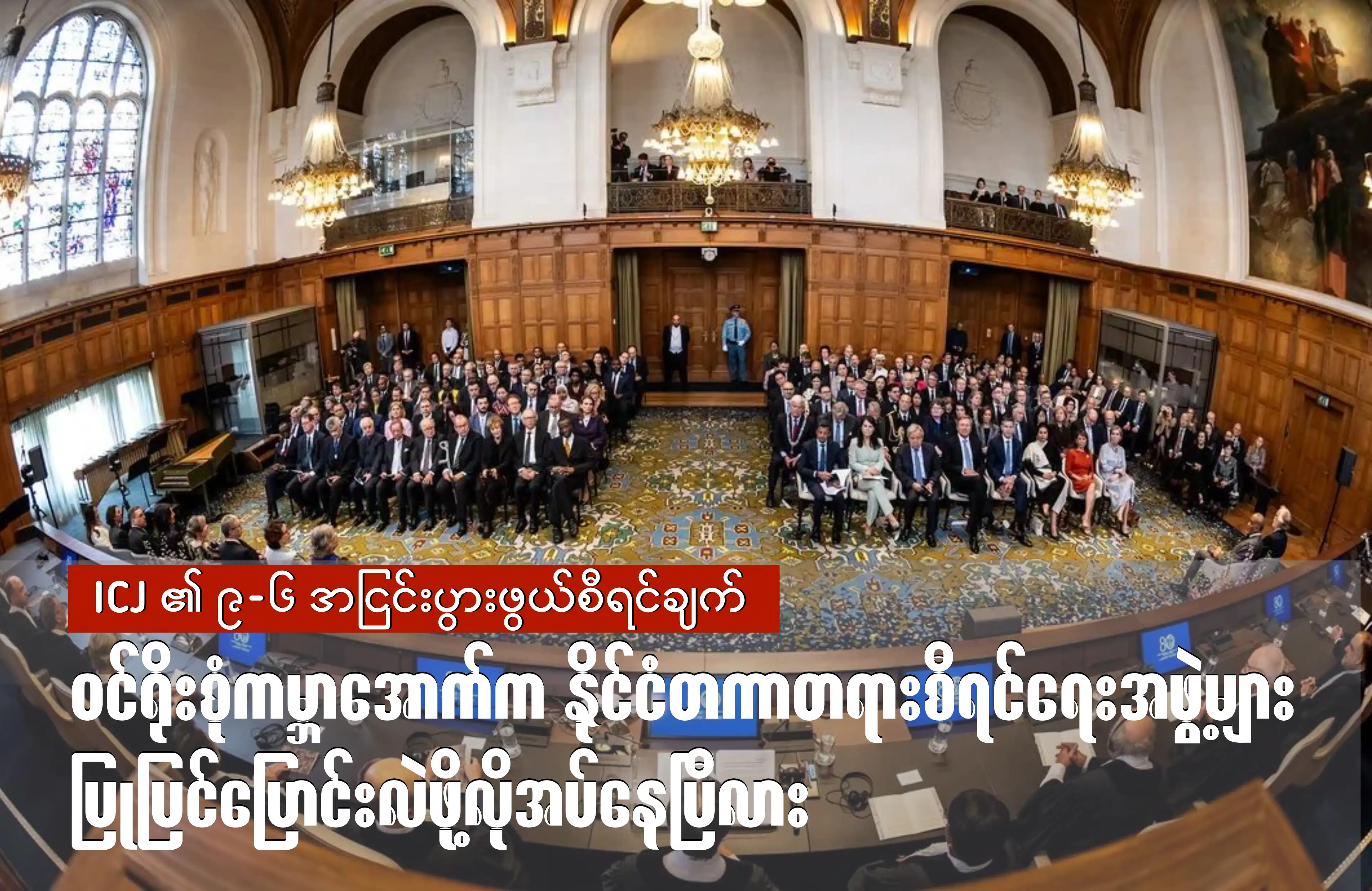
၂၀၂၆ ခုနှစ်၊ နိုဝင်ဘာလ ၁၉ ရက်နေ့သည် နိုင်ငံတကာ တရားစီရင်ရေး သမိုင်းတွင် သိသာစွာ အငြင်း ပွားဖွယ်ကောင်းလှသည့် နေ့ရက်တစ်ခုအဖြစ် မှတ်တမ်းဝင်သွားခဲ့သည်။ ဂျပန်နိုင်ငံသား တရား သူကြီး Yuji Iwasawa ဦးဆောင်သည့် အပြည်ပြည်ဆိုင်ရာ တရားရုံး (ICJ) က အစ္စလာမ်မစ် ပူးပေါင်းဆောင်ရွက်ရေးအဖွဲ့ (OIC) ကိုယ်စား ဂမ်ဘီယာနိုင်ငံမှ တရားစွဲဆိုထားသည့် အမှုတွင် မြန်မာနိုင်ငံသည် ၁၉၄၈ ခုနှစ် လူမျိုးတုံးသတ်ဖြတ်မှု တားဆီးရေးစာချုပ် (Genocide Convention) ကို ချိုးဖောက်ကြောင်း အပြီးသတ် စီရင်ချက်ချမှတ်လိုက်ခြင်း ဖြစ်သည်။
နိုင်ငံတကာ တရားစီရင်ရေး သမိုင်းတစ်လျှောက် အချုပ်အခြာအာဏာပိုင် နိုင်ငံတစ်နိုင်ငံကို လူမျိုးတုံးသတ်ဖြတ်မှု (Genocide) ကျူးလွန်ကြောင်း တရားဝင် ဆုံးဖြတ်သည့် ပထမဆုံး စီရင်ချက် ဖြစ်သော်ငြား၊ တရားသူကြီး ၁၅ ဦးအနက် ၉ မဲ - ၆ မဲ ဟူသော အလွန်ကျဉ်းမြောင်းသည့် မဲကွာဟ ချက်ဖြင့်သာ ချမှတ်နိုင်ခဲ့ခြင်းက ဤစီရင်ချက်၏ ဥပဒေရေးရာ ခိုင်မာမှုနှင့် ဘက်မလိုက်မှုအပေါ် ကြီးမားစွာ မေးခွန်းထုတ်စရာ ဖြစ်လာစေခဲ့သည်။ မြန်မာနိုင်ငံသားများအတွက်မူ ဤဆုံးဖြတ်ချက် သည် တရားမျှတမှုကို ဖော်ဆောင်ခြင်းထက် နိုင်ငံတကာ ဥပဒေစံနှုန်းများကို လိုသလို ဆွဲဆန့် အသုံးချခံလိုက်ရသည့် မတရားမှုတစ်ခုအဖြစ်သာ ရှုမြင်စရာ ဖြစ်နေသည်။
တရားသူကြီး ၆ ဦး၏ ပြတ်သားသော ဥပဒေရေးရာ ကန့်ကွက်ချက်
အများစုတရားသူကြီး ၉ ဦး၏ ဆုံးဖြတ်ချက်ကို လက်မခံဘဲ ကန့်ကွက်မဲပေးခဲ့ကြသည့် တရားသူကြီး ၆ ဦးဖြစ်သည့် ICJ ဒုတိယဥက္ကဋ္ဌ Julia Sebutinde အပါအဝင် ဆလိုဗက်ကီးယား (Peter Tomka)၊ ပြင်သစ် (Ronny Abraham)၊ တရုတ် (Xue Hanqin)၊ ဂျာမနီ (Georg Nolte) နှင့် အထူးခန့်အပ်ခံ တရားသူကြီး Claus Kress တို့က စာမျက်နှာ(၂၆)မျက်နှာပါ ပူးတွဲသဘောထားကွဲလွဲချက် (Joint Dissenting Opinion) ကို ထုတ်ပြန်ကာ အများစု၏ စီရင်ချက်သည် ဥပဒေဘောင်မှ သွေဖည် နေကြောင်း အတိအလင်း ထောက်ပြခဲ့ကြသည်။
၎င်းတို့၏ ကန့်ကွက်ချက်တွင် မြန်မာ့လုံခြုံရေးတပ်ဖွဲ့များ၏ လုပ်ရပ်များကို အပြစ်ကင်းစင်သည်ဟု ဆိုလိုခြင်းမဟုတ်ဘဲ "Genocide" ဟူသော အမြင့်ဆုံး နိုင်ငံတကာ ရာဇဝတ်မှုစံနှုန်းနှင့် လုံးဝ မကိုက်ညီကြောင်း ဥပဒေအချက်အလက် ၄ ရပ်ဖြင့် ခိုင်မာစွာ ချေပထားခြင်းဖြစ်သည်။
၁။ “တစ်ခုတည်းသော ကျိုးကြောင်းဆီလျော်သည့် ကောက်ချက်" စံနှုန်းကို လိုက်နာရန် ပျက်ကွက် ခြင်း — ၂၀၀၇ ခုနှစ် ဘော့စနီးယားအမှု (Bosnia v. Serbia) နှင့် ၂၀၁၅ ခုနှစ် ခရိုအေးရှားအမှု (Croatia v. Serbia) တို့တွင် ICJ ကိုယ်တိုင် ချမှတ်ကျင့်သုံးခဲ့သည့် စံနှုန်းအရ လူမျိုးတုံးသတ်ဖြတ်ရန် အထူးရည်ရွယ်ချက် (dolus specialis) ရှိကြောင်း သွယ်ဝိုက်သက်သေများမှ ကောက်ချက်ချနိုင်ရန်မှာ ယင်းကောက်ချက်မှအပ အခြားကျိုးကြောင်းဆီလျော်သော ကောက်ချက် တစ်ခုမျှ မရှိရပေ။ သို့သော် မြန်မာနိုင်ငံ၏ စစ်ဆင်ရေးများသည် ARSA ၏ တိုက်ခိုက်မှုများကို တုံ့ပြန်သည့် အခြေအနေတွင် ဘင်္ဂလီ(တရားရုံးအသုံးရိုဟင်ဂျာ)များအား အတင်းအကျပ် နေရပ် စွန့်ခွာစေရန် ရည်ရွယ်ခြင်း (Forced Displacement) သို့မဟုတ် ARSA ကို နောင်တွင် မထောက် ခံစေရန် စုပေါင်းအပြစ်ပေးခြင်းဖြင့် ခြိမ်းခြောက်ဟန့်တားရန် ရည်ရွယ်ခြင်း (Collective Punishment, Intimidation and Deterrence) အဖြစ်လည်း ကျိုးကြောင်းဆီလျော်စွာ ကောက်ချက်ချနိုင်သည့်အတွက် လူမျိုးတုံးသတ်ဖြတ်ရန် အထူးရည်ရွယ်ချက်ရှိကြောင်း သက်သေ ပြနိုင်ခြင်းမရှိဟု တရားသူကြီးခြောက်ဦးက ထောက်ပြထားသည်။
၂။ Genocide နှင့် အတင်းအကျပ် နေရပ်စွန့်ခွာစေခြင်းတို့၏ ဥပဒေရေးရာကွဲပြားမှုကို ဝေဝါးစေခြင်း — နိုင်ငံတကာဥပဒေအရ လူမျိုးစုတစ်ခုကို အလုံးစုံဖြစ်စေ၊ တစ်စိတ်တစ်ပိုင်းဖြစ်စေ ရုပ်ပိုင်းဆိုင်ရာ သို့မဟုတ် ဇီဝဗေဒဆိုင်ရာအရ ဖျက်ဆီးရန် ရည်ရွယ်ခြင်း (Genocide) နှင့် နယ်မြေတစ်ခုအတွင်းမှ အတင်းအကျပ် နေရပ်စွန့်ခွာစေခြင်း (Forcible Displacement) တို့အကြား ဥပဒေရေးရာ ကွဲပြားမှုရှိသည်။ သို့သော် အများစုတရားသူကြီး ၉ ဦး၏ ဆုံးဖြတ်ချက်သည် ယင်းကွဲပြားမှုကို ဝေဝါးစေပြီး ယခင် ICJ စီရင်ထုံးများတွင် ချမှတ်ထားသည့် လူမျိုးတုံးသတ်ဖြတ်ခြင်း၏ အဓိပ္ပာယ် ဖွင့်ဆိုချက်ကို လက်တွေ့တွင် ပိုမိုကျယ်ပြန့်စေခဲ့ကြောင်း ကန့်ကွက်ထားသည်။
၃။ သက်သေပြမှုစံနှုန်းကို လျှော့ချခြင်း — လူမျိုးတုံးသတ်ဖြတ်ရန် ရည်ရွယ်ချက်ရှိကြောင်း သက်သေပြရာတွင် လိုအပ်သည့် တင်းကျပ်သော သက်သေခံစံနှုန်းကို အများစုဆုံးဖြတ်ချက်က လျှော့ချခဲ့ကြောင်း တရားသူကြီးခြောက်ဦးက ကန့်ကွက်ထားသည်။ အထူးသဖြင့် ကုလသမဂ္ဂ အချက်အလက်ရှာဖွေရေးအဖွဲ့ (UN Fact-Finding Mission) ၏ အစီရင်ခံစာများကို သက်သေခံ အဖြစ် အလွန်အကျွံ အလေးထားခဲ့ပြီး ကျေးရွာ ၅၄ ရွာတွင် တူညီသောကျူးလွန်မှု ပုံစံရှိကြောင်း ဖော်ပြချက်အတွက် လုံလောက်သော အသေးစိတ်အထောက်အထားများ မပါဝင် ကြောင်း ထောက်ပြထားသည်။ ထို့အပြင် အများစုဆုံးဖြတ်ချက်၏ သက်သေများအပေါ် အဓိပ္ပာယ်ကောက်ယူ သည့် နည်းလမ်းသည် ICJ ၏ ယခင်စီရင်ထုံးများတွင် သတ်မှတ်ထားသည့် သက်သေပြမှုစံနှုန်းကို သိသိသာသာ အားနည်းစေခဲ့ကြောင်း ဝေဖန်ထားသည်။
၄။ Genocide စာချုပ်အရ စီရင်ဆုံးဖြတ်ရမည့် ဥပဒေဘောင်ကို တိကျစွာ လိုက်နာရန်လိုအပ်ခြင်း — ၁၉၄၈ ခုနှစ် Genocide Convention ၏ အပိုဒ် ၉ အရ ယခုအမှုတွင် ICJ ၏ စီရင်ပိုင်ခွင့်သည် အဆိုပါစာချုပ်ဆိုင်ရာ အငြင်းပွားမှုများအပေါ်တွင်သာ အခြေခံထားသည်။ စစ်ရာဇဝတ်မှုများ (War Crimes) သို့မဟုတ် လူသားမျိုးနွယ်အပေါ် ကျူးလွန်သည့် ရာဇဝတ်မှုများ (Crimes against Humanity) ဖြစ်ပွားခဲ့နိုင်သော်လည်း ယင်းတို့သည် လူမျိုးတုံးသတ်ဖြတ်မှုနှင့် ဥပဒေအရ သီးခြားကွဲပြား သည်။ ထို့ကြောင့် လူမျိုးတုံးသတ်ဖြတ်ရန် အထူးရည်ရွယ်ချက်ရှိကြောင်း လိုအပ် သည့် သက်သေစံနှုန်းအတိုင်း မပြနိုင်ပါက မြန်မာနိုင်ငံက လူမျိုးတုံးသတ်ဖြတ်မှု ကျူးလွန်ခဲ့ကြောင်း မဆုံးဖြတ်သင့်ဟု တရားသူကြီးခြောက်ဦးက ကန့်ကွက်ထားသည်။
ပြောင်ပြောင်တင်းတင်း စံနှုန်းနှစ်မျိုး (Double Standard) နှင့် နိုင်ငံရေးဖိအား
ဤစီရင်ချက်တွင် အထင်ရှားဆုံးနှင့် လက်ခံနိုင်ဖွယ်အနည်းဆုံး အချက်မှာ နိုင်ငံတကာ တရားစီရင် ရေး၏ စံနှုန်းနှစ်မျိုး (Double Standard) ပင် ဖြစ်သည်။ ယခင်က လူပေါင်းသိန်းနှင့်ချီ အသက် ဆုံးရှုံးခဲ့ပြီး ရက်စက်ကြမ်းကြုတ်မှု ကြီးမားခဲ့သည့် ဘော့စနီးယားနှင့် ခရိုအေးရှား အမှုများတွင်ပင် ICJ သည် တင်းကျပ်သော ဥပဒေစံနှုန်းကို ကိုင်စွဲကာ ဆားဘီးယားနိုင်ငံကို Genocide ကျူးလွန် ကြောင်း မဆုံးဖြတ်ခဲ့ပေ။ သို့သော် မြန်မာနိုင်ငံအလှည့်သို့ ရောက်ရှိချိန်တွင်မှ ထိုနှစ်ပေါင်းများစွာ ထိန်းသိမ်းလာခဲ့သည့် စံနှုန်းကို လျှော့ချကာ ပထမဆုံးသော Genocide စီရင်ချက်ကို ချမှတ် လိုက်ခြင်းက ဥပဒေအပေါ် အခြေခံခြင်းထက် နိုင်ငံရေးအရ ပစ်မှတ်ထားမှု ပါဝင်နေကြောင်း ထင်ရှားစေသည်။
OIC အဖွဲ့ဝင် ၅၇ နိုင်ငံ၏ ကျောထောက်နောက်ခံပြု တရားစွဲဆိုမှုနှင့် နိုင်ငံတကာ NGO အဖွဲ့အစည်း များ (George Soros ၏ Open Society Foundations အပါအဝင်) ၏ နှစ်ပေါင်းများစွာ စနစ်တကျ လှုံ့ဆော်ဖိအားပေးမှုများအောက်တွင် အများစုတရားသူကြီး ၉ ဦးသည် ဥပဒေစည်းမျဉ်း တင်းကျပ်မှု ထက် လူသားချင်းစာနာမှု စိတ်ခံစားချက်နှင့် နိုင်ငံတကာ ပုံရိပ်ကို ဦးစားပေးဆုံးဖြတ်သွားခဲ့သည်ဟု ဥပဒေလေ့လာသူများက ဝေဖန်သုံးသပ်ကြသည်။
ထို့ထက်ပို၍ ငြင်းပယ်၍မရသည့် မြေပြင်ပကတိ အမှန်တရားမှာ ယနေ့တိုင် မြန်မာနိုင်ငံအတွင်း၌ ဘင်္ဂလီ (တရားရုံးအခေါ် ရိုဟင်ဂျာ မွတ်ဆလင်) လူဦးရေ သိန်းနှင့်ချီ၍ ဆက်လက်နေထိုင် လုပ်ကိုင် စားသောက်လျက် ရှိနေခြင်းပင် ဖြစ်သည်။ "လူမျိုးစုတစ်ခုလုံးကို အပြီးတိုင် မျိုးဖြုတ်ရန် ရည်ရွယ် ချက်" ရှိခဲ့သည်ဟူသော စွဲချက်နှင့် မြေပြင်ပကတိ အခြေအနေကြားရှိ ဤကြီးမားသော ကွာဟချက် ကို တရားရုံးက မျက်ကွယ်ပြုသွားခဲ့ခြင်းမှာ စီရင်ချက်၏ တရားမျှတမှုအပေါ် သံသယကို ပိုမိုကြီး ထွားစေသည်။
နောက်ဆက်တွဲ အမိန့်ညွှန်ကြားချက်များနှင့် ရှေ့အလားအလာ
တရားရုံးက မြန်မာနိုင်ငံအပေါ် လိုက်နာဆောင်ရွက်ရန် အမိန့်ချမှတ်ထားသည့် အချက်များမှာ—
ဟူ၍ဖြစ်သည်။
မြန်မာနိုင်ငံဘက်က ဤစီရင်ချက်သည် တရားမျှတမှုမရှိကြောင်း ဝေဖန်ကန့်ကွက်ထား သည်။အကယ်၍ သတ်မှတ်ကာလအတွင်း လိုက်နာရန် ပျက်ကွက်ပါက ကုလသမဂ္ဂ ပဋိညာဉ် စာတမ်း အပိုဒ် ၉၄(၂) အရ လုံခြုံရေးကောင်စီသို့ တင်ပြတိုင်ကြားခံရနိုင်ခြေ ရှိနေသော်လည်း၊ လုံခြုံရေးကောင်စီတွင် ဗီတိုအာဏာ ရှိနေခြင်းကြောင့် လက်တွေ့ အရေးယူမှု အပိုင်းတွင် နိုင်ငံ တကာ နိုင်ငံရေးအရ အဟန့်အတားများ ဆက်လက်ရှိနေဦးမည် ဖြစ် သည်။
ဝင်ရိုးစုံကမ္ဘာ့အစီအစဉ်သစ်၊ ICC ၏ အကျပ်အတည်းနှင့် နိုင်ငံတကာ တရားရေး ပြုပြင် ပြောင်းလဲရေး
မြန်မာနိုင်ငံအပေါ် ချမှတ်လိုက်သည့် ၉-၆ စီရင်ချက်သည် နိုင်ငံတစ်နိုင်ငံတည်း၏ အရေးကိစ္စထက် ကျော်လွန်၍ ပြောင်းလဲလာနေသော ဝင်ရိုးစုံကမ္ဘာ့အစီအစဉ်သစ် (Multipolar World Order) နှင့် လိုက်လျောညီထွေရှိမည့် နိုင်ငံတကာ တရားရေးအဖွဲ့အစည်းများ ပြုပြင်ပြောင်းလဲရေး လိုအပ်ချက် ကို အထင်အရှား မီးမောင်းထိုးပြနေသည်။ ၁၉၄၅ ခုနှစ် ဒုတိယကမ္ဘာစစ်အပြီး နိုင်ငံရေး အခင်းအကျင်းပေါ်တွင် တည်ဆောက်ခဲ့သည့် ICJ ကဲ့သို့သော အဖွဲ့အစည်းများတွင် ဖွဲ့စည်းပုံ၊ အခြေခံမူများနှင့် တရားလက်လွန်ဆုံးဖြတ်မှု၊ ဘက်လိုက်ဆုံးဖြတ်မှုများကို ပြန်လည်ထိန်းကျောင်း ပေးနိုင်မည့် ယန္တယားများ (Checks and Balances) ထည့်သွင်းပြုပြင်ရန် အချိန်သင့်နေပြီ ဖြစ်သည်။
ဤယုံကြည်ကိုးစားမှု အကျပ်အတည်းသည် ICJ တစ်ခုတည်းတွင်သာ ဖြစ်ပွားနေခြင်းမဟုတ်ဘဲ၊ သည်ဟိဂ်မြို့ရှိ နောက်ထပ် နိုင်ငံတကာ တရားရုံးတစ်ခုဖြစ်သော အပြည်ပြည်ဆိုင်ရာ ရာဇဝတ်မှု တရားရုံး (ICC) သည်လည်း စီရင်ပိုင်ခွင့် ဘောင်ကျော်မှုနှင့် နိုင်ငံရေးအရ အသုံးချခံရမှု စွပ်စွဲချက်များကြောင့် ကမ္ဘာ့အင်အားကြီးနိုင်ငံများ၏ ပြင်းထန်သော ပြစ်တင်ဝေဖန်မှုနှင့် တန်ပြန် အရေးယူမှုများကို ရင်ဆိုင်နေရသည်။
ခြုံငုံသုံးသပ်ချက်
ဤဖြစ်ရပ်များကို ခြုံငုံကြည့်လျှင် နိုင်ငံတကာ တရားစီရင်ရေးဟူသည် အင်အားကြီးသူနှင့် အုပ်စုဖွဲ့ ဖိအားပေးနိုင်သူတို့အတွက် ဥပဒေကို လိုသလို ကွေးညွှတ်အသုံးချရသည့် နိုင်ငံရေးလက်နက် မဖြစ် သင့်တော့ပေ။ အမေရိကန်၊ ရုရှားနှင့် တရုတ်ကဲ့သို့သော ကမ္ဘာ့ အင်အားကြီးနိုင်ငံများကိုယ်တိုင် ICC နှင့် သည်ဟိဂ်အခြေစိုက် တရားရေးအဖွဲ့အစည်းများ၏ စီရင်ပိုင်ခွင့် အလွဲသုံးစားပြုမှုကို ပြင်းထန်စွာ ဝေဖန်ကန့်ကွက်နေချိန်တွင်၊ တရားသူကြီး ၆ ဦး၏ ခိုင်မာသော ဥပဒေရေးရာ ကန့်ကွက်ချက်များကို ကျော်လွှားကာ စံနှုန်းလျှော့ချ ချမှတ်လိုက်သည့် မြန်မာနိုင်ငံအပေါ် ICJ ၏ ၉-၆ စီရင်ချက်သည် လက်ရှိနိုင်ငံတကာ တရားစီရင်ရေးစနစ်၏ ချို့ယွင်းချက်ကို အထင်ရှားဆုံး သက်သေပြလိုက်ခြင်းပင် ဖြစ်သည်။ ထို့ကြောင့် ဝင်ရိုးစုံကမ္ဘာ့အစီအစဉ်သစ်တွင် ICJ နှင့် ICC ကဲ့သို့သော အဖွဲ့အစည်းများ၏ ဖွဲ့စည်းပုံ၊ ဥပဒေစံနှုန်း တစ်ပြေးညီဖြစ်မှုနှင့် ဘက်လိုက်တရားလက်လွန်မှုများကို ပြန်လည်ထိန်း ကျောင်းနိုင်မည့် စနစ်တကျ ပြုပြင်ပြောင်းလဲရေးကို မဖြစ်မနေ လုပ်ဆောင်ရန် အချိန်တန်ပြီ ဖြစ် ကြောင်း ယင်းစီရင်ချက်က သမိုင်းဝင် သတိပေးခေါင်းလောင်း ထိုးလိုက်ပြီ ဖြစ်သည်။
စာရေးသူ “ကောင်းမြတ်ကျော်” သည် လွတ်လပ်သော နိုင်ငံတကာရေးရာလေ့လာသုံးသပ်သူ သုတေသီ တစ်ဦးဖြစ်ပါသည်။ ယခုဆောင်းပါးသည် သူ၏ သဘောထားအမြင်ကို ထပ်ဟပ်ထားပါ သည်။မြန်မာ့ပုံရိပ်ဖော်ညွှန်းရေးအဖွဲ့ဝက်ဘ်ဆိုက်ပါ ဆောင်းပါးကို မြန်မာဘာသာသို့ ဆီလျော်အောင်ပြန်ဆိုပါသည်။
ကိုးကားသည့် သတင်းနှင့် တရားဝင် အရင်းအမြစ်များ
1. UN News: ICJ rules Myanmar responsible for genocide against Rohingya (November 19, 2026)
2. Courthouse News Service: Joint Dissenting Opinion of Judges Sebutinde, Tomka, Abraham, Xue, Nolte and Judge ad hoc Kreß in The Gambia v. Myanmar
3. International Court of Justice (ICJ): Statute of the International Court of Justice (Articles 18, 20, and 60); Bosnia and Herzegovina v. Serbia and Montenegro (2007); Croatia v. Serbia (2015)
4. United Nations: Convention on the Prevention and Punishment of the Crime of Genocide (1948) & Charter of the United Nations (Article 94)
5. International Criminal Court (ICC) & IISS: The ICC strongly rejects US sanctions against the institution (October 9, 2026) & The ICC under further threat from the United States (November 13, 2026)
6. The Guardian & A News: Global courts under attack and takeaways from the Trump, Xi, Putin Shenzhen summit & Declaration Toward Peace (November 19–20, 2026)
7. Opinio Juris & OHCHR: Russia's retaliatory arrest warrants and 2026 extradition requests against ICC judges and prosecutors (February & November 2026)
8. MOFA Myanmar : Press Statement by the Ministry of Foreign Affairs of the Republic of the Union of Myanmar on the Judgment of the International Court of Justice delivered on 19 November 2026 (20 November 2026)
"This article was originally published in MNTT and is republished here with the permission of the author."
By- Kaung Myat Kyaw
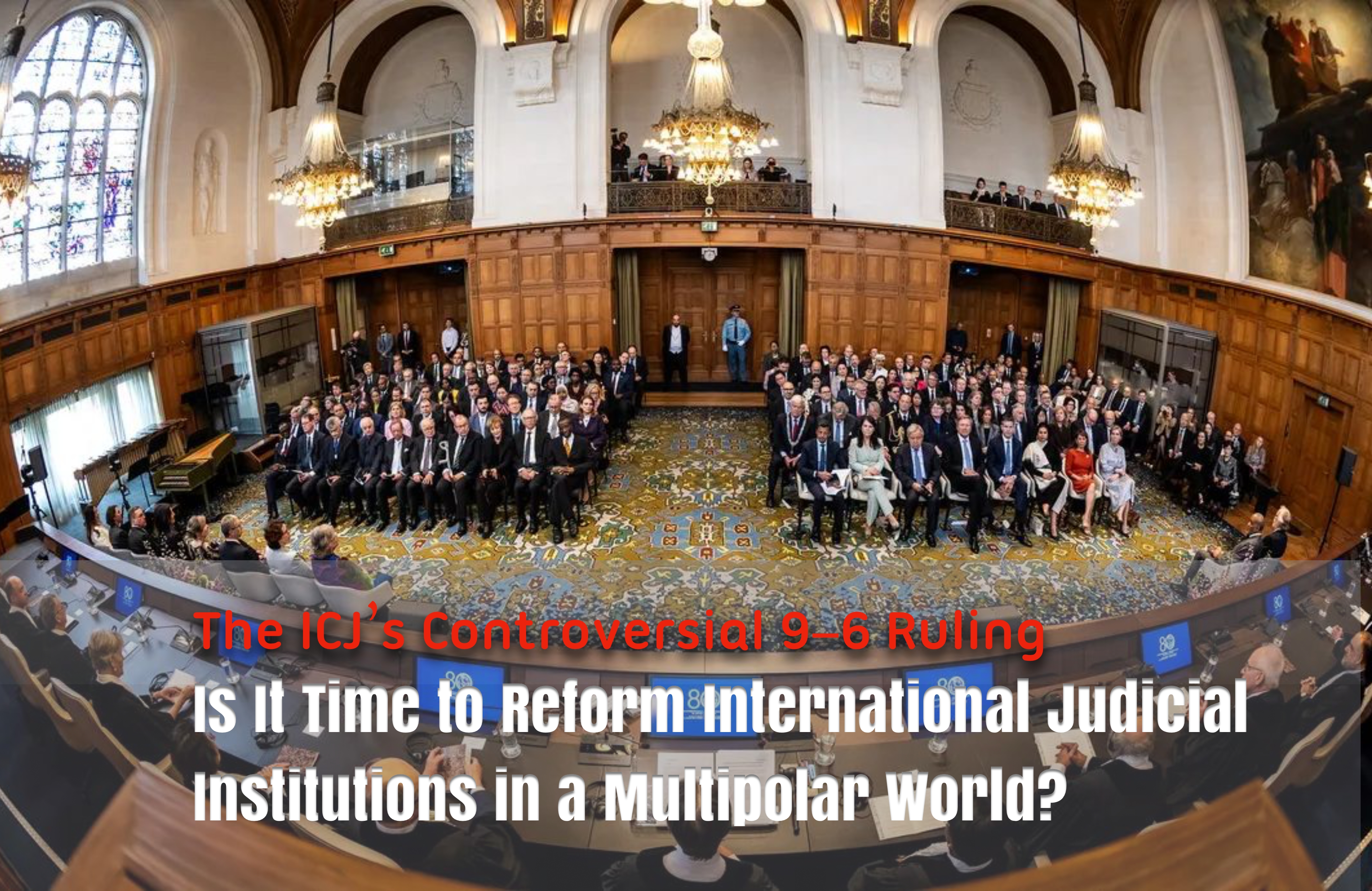
November 19, 2026, will go down in the history of international justice as a notably controversial day. Led by Japanese Judge Yuji Iwasawa, the International Court of Justice (ICJ) delivered its final judgment in the case brought by The Gambia on behalf of the Organisation of Islamic Cooperation (OIC), ruling that Myanmar violated the 1948 Convention on the Prevention and Punishment of the Crime of Genocide (Genocide Convention).
Although this is the first judgment in the history of international justice to formally rule that a sovereign state committed genocide, the fact that it was decided by an exceptionally narrow margin of 9–6 among the 15 judges has raised major questions regarding the legal rigor and impartiality of the verdict. For the citizens of Myanmar, this decision appears less as a delivery of justice and more as an injustice in which international legal standards were stretched at will.
The Firm Legal Dissent of Six Judges
The six judges who rejected the nine-judge majority decision and voted against it—ICJ Vice-President Julia Sebutinde, along with Judges Peter Tomka (Slovakia), Ronny Abraham (France), Xue Hanqin (China), Georg Nolte (Germany), and Judge ad hoc Claus Kress—issued a 26-page Joint Dissenting Opinion explicitly pointing out that the majority’s ruling deviated from the established legal framework.
Without suggesting that the actions of Myanmar’s security forces were blameless, their dissent firmly refuted, on four legal grounds, that the case met the highest international criminal standard of "genocide":
1. Failure to Adhere to the "Only Reasonable Inference" Standard — Under the standard established and applied by the ICJ itself in Bosnia v. Serbia (2007) and Croatia v. Serbia (2015), inferring genocidal special intent (dolus specialis) from circumstantial evidence requires that there be no other reasonable inference. However, because Myanmar’s operations in response to attacks by ARSA could also be reasonably inferred as intended for the forced displacement of Bengalis (referred to by the Court as Rohingya), or for collective punishment, intimidation, and deterrence to prevent future support for ARSA, the six judges pointed out that genocidal special intent had not been proven.
2. Blurring the Legal Distinction Between Genocide and Forcible Displacement — Under international law, there is a clear legal distinction between the intent to physically or biologically destroy a group in whole or in part (genocide) and forcible displacement from a territory (forcible displacement). The dissenting judges objected that the nine-judge majority’s decision blurred this distinction and effectively broadened the definition of genocide established in previous ICJ jurisprudence.
3. Lowering the Standard of Proof — The six judges objected that the majority decision lowered the strict evidentiary standard required to prove genocidal intent. In particular, they pointed out that the majority placed excessive weight on the reports of the UN Fact-Finding Mission as evidence, and that the assertion of a uniform pattern of conduct across 54 villages lacked sufficient detailed supporting evidence. Furthermore, they criticized that the majority’s method of interpreting the evidence significantly weakened the standard of proof set forth in the ICJ’s prior case law.
4. The Need to Strictly Adhere to the Legal Framework Under the Genocide Convention — Under Article IX of the 1948 Genocide Convention, the ICJ’s jurisdiction in this case is strictly confined to disputes relating to that Convention. Although war crimes or crimes against humanity may have occurred, they are legally distinct from genocide. Therefore, the six judges dissented that if genocidal special intent cannot be proven to the required evidentiary standard, the Court should not find that Myanmar committed genocide.
Blatant Double Standards and Political Pressure
The most glaring and least acceptable aspect of this judgment is the double standard in international justice. Even in the Bosnia and Croatia cases, where hundreds of thousands of lives were lost amid massive atrocities, the ICJ upheld a strict legal standard and declined to rule that Serbia committed genocide. Yet, when it came to Myanmar’s turn, lowering that long-maintained standard to issue the first-ever genocide ruling makes it evident that political targeting, rather than strict adherence to the law, was involved.
Legal observers critically analyze that under a lawsuit backed by the 57 member states of the OIC and years of systematic lobbying and pressure from international NGOs (including George Soros’s Open Society Foundations), the nine-judge majority prioritized humanitarian sentiment and international image over legal discipline.
Moreover, an undeniable reality on the ground is that hundreds of thousands of Bengalis (referred to by the Court as Rohingya Muslims) continue to live and make a living inside Myanmar to this day. The Court’s disregard for this vast gap between the reality on the ground and the allegation of an "intent to completely exterminate an entire ethnic group" further deepens doubts about the fairness of the ruling.
Subsequent Orders and Future Outlook
The measures ordered by the Court for Myanmar to comply with are as follows:
Myanmar has criticized and rejected this judgment as unfair. Although failure to comply within the stipulated period carries the possibility of referral to the United Nations Security Council under Article 94(2) of the UN Charter, the existence of veto power in the Security Council means that international political obstacles will continue to impede practical enforcement.
The New Multipolar World Order, the ICC Crisis, and International Judicial Reform
The 9–6 ruling against Myanmar extends beyond the affairs of a single nation, starkly highlighting the need to reform international judicial institutions to align with the evolving new multipolar world order. It is time to reform institutions like the ICJ—built upon the post–World War II political architecture of 1945—by updating their structures and foundational principles and incorporating checks and balances capable of curbing judicial overreach and biased decisions.
This crisis of credibility is not confined to the ICJ; The Hague’s other international court, the International Criminal Court (ICC), is also facing fierce criticism and retaliatory measures from major global powers over accusations of jurisdictional overreach and political instrumentalization:
|
CONCLUSION Viewed as a whole, international justice must no longer serve as a political weapon that bends the law at will for the powerful and those capable of exerting organized group pressure. At a time when major global powers such as the United States, Russia, and China themselves are fiercely criticizing and opposing the abuse of jurisdiction by the ICC and Hague-based judicial institutions, the ICJ’s 9–6 ruling against Myanmar—delivered by lowering legal standards and overriding the firm legal objections of six judges—stands as the clearest proof of the flaws in the current international judicial system. Consequently, this ruling has sounded a historic wake-up call that in the new multipolar world order, systematic reform of institutions like the ICJ and ICC—covering their structure, uniformity of legal standards, and mechanisms to check bias and judicial overreach—is an imperative whose time has come. |
Kaung Myat Kyaw is an independent international affairs analyst and researcher. The views expressed in this article are his own.
News and Official Sources Cited
1. UN News: ICJ rules Myanmar responsible for genocide against Rohingya (November 19, 2026)
2. Courthouse News Service: Joint Dissenting Opinion of Judges Sebutinde, Tomka, Abraham, Xue, Nolte and Judge ad hoc Kreß in The Gambia v. Myanmar
3. International Court of Justice (ICJ): Statute of the International Court of Justice (Articles 18, 20, and 60); Bosnia and Herzegovina v. Serbia and Montenegro (2007); Croatia v. Serbia (2015)
4. United Nations: Convention on the Prevention and Punishment of the Crime of Genocide (1948) & Charter of the United Nations (Article 94)
5. International Criminal Court (ICC) & IISS: The ICC strongly rejects US sanctions against the institution (October 9, 2026) & The ICC under further threat from the United States (November 13, 2026)
6. The Guardian & A News: Global courts under attack and takeaways from the Trump, Xi, Putin Shenzhen summit & Declaration Toward Peace (November 19–20, 2026)
7. Opinio Juris & OHCHR: Russia's retaliatory arrest warrants and 2026 extradition requests against ICC judges and prosecutors (February & November 2026)
8. MOFA Myanmar: Press Statement by the Ministry of Foreign Affairs of the Republic of the Union of Myanmar on the Judgment of the International Court of Justice delivered on 19 November 2026 (November 20, 2026).
#World_News
Published 20 November 2026
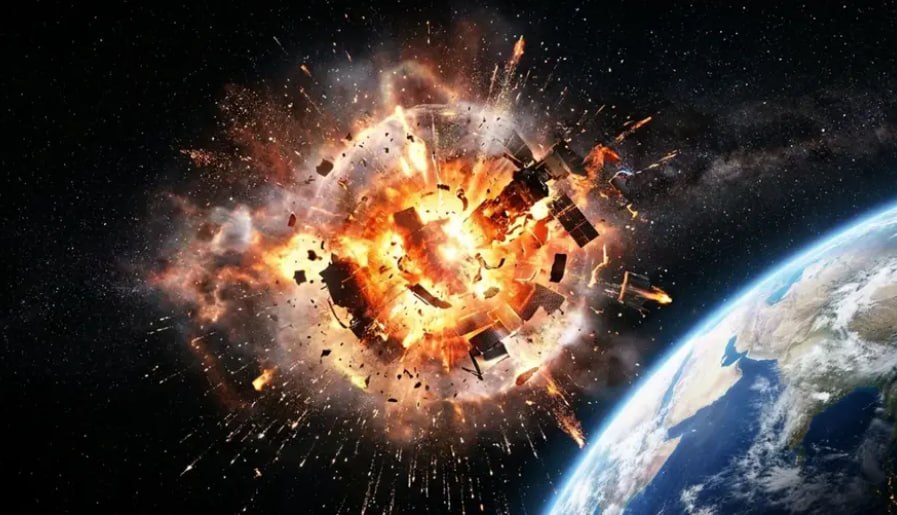
■ အာကာသထဲမှာ နျူကလီးယားဗုံးတစ်လုံး ပေါက်ကွဲရုံနဲ့ ကမ္ဘာပေါ်က လူတွေကို တိုက်ရိုက်ထိခိုက်စရာ မရှိနိုင်ပေမဲ့ ကမ္ဘာပတ်လမ်းကြောင်းပေါ်မှာရှိတဲ့ ဂြိုဟ်တုအားလုံးနီးပါး ပျက်စီးသွားနိုင်တယ်လို့ သုတေသနအသစ်တစ်ခုက သတိပေးထားပါတယ်။
■ အာကာသထဲမှာ နျူကလီးယားလက်နက်တစ်ခု ပေါက်ကွဲခဲ့မယ်ဆိုရင် ကမ္ဘာကြီးအတွက် ဘယ်လောက်အထိ အန္တရာယ်ကြီးမားနိုင်မလဲ။
■ သုတေသနအသစ်တစ်ခုအရ အင်အားသိပ်မပြင်းထန်တဲ့ နျူကလီးယားပေါက်ကွဲမှုတစ်ခုတောင် ကမ္ဘာပတ်လမ်းကြောင်းအနိမ့်ပိုင်း (Low Earth Orbit - LEO) မှာရှိတဲ့ ဂြိုဟ်တုအများစုကို ပျက်စီးစေနိုင်တယ်လို့ သိရပါတယ်။
■ ဒီအကြောင်းကို အမေရိကန်နိုင်ငံ University of Wisconsin–Madison နဲ့ Princeton University တို့က သုတေသီတွေ ပူးပေါင်းလေ့လာခဲ့ကြတာဖြစ်ပြီး သုတေသနစာတမ်းကိုလည်း arXiv မှာ ကြိုတင်ထုတ်ဝေထားပါတယ်။
■ အာကာသထဲမှာ နျူကလီးယားဗုံးပေါက်ကွဲရင် ဘာတွေဖြစ်လာမလဲ။
■ သုတေသီတွေဟာ နျူကလီးယားပေါက်ကွဲမှုတစ်ခု ဖြစ်ပွားခဲ့ရင် ဘယ်လိုအကျိုးဆက်တွေ ဖြစ်လာနိုင်မလဲဆိုတာကို ကွန်ပျူတာ Simulation နဲ့ လေ့လာခဲ့ကြပါတယ်။
■ လေ့လာမှုမှာ နျူကလီးယားဗုံး အင်အား 1 Megaton ရှိတဲ့ ဗုံးတစ်လုံးကို ကမ္ဘာ့မျက်နှာပြင်အထက် ကီလိုမီတာ ၅၀၀ အကွာ၊ တောင်အတ္တလန္တိတ်သမုဒ္ဒရာအပေါ်ဘက် အာကာသထဲမှာ ပေါက်ကွဲခဲ့တယ်လို့ သတ်မှတ်ပြီးတွက်ချက်ခဲ့တာပါ။
■ အဲဒီနေရာဟာ ကမ္ဘာ့သံလိုက်စက်ကွင်း အားနည်းတဲ့ ဒေသဖြစ်ပြီး South Atlantic Anomaly (SAA) လို့ ခေါ်ပါတယ်။
■ ဒီဒေသမှာ နျူကလီးယားပေါက်ကွဲမှုကြောင့် ထွက်လာတဲ့ ရေဒီယိုသတ္တိကြွ အမှုန်အမွှားတွေဟာ ကမ္ဘာ့သံလိုက်စက်ကွင်းအတွင်း ပိတ်မိနေပြီး အာကာသထဲမှာ ရောင်ခြည်သင့်မှု အလွန်များတဲ့ နေရာတစ်ခု ဖြစ်ပေါ်လာနိုင်ပါတယ်။
■ အဲဒီနေရာကို ဂြိုဟ်တုတွေ ဖြတ်သန်းသွားလာတဲ့အခါ ရောင်ခြည်ဒဏ်ကို ထပ်ခါတလဲလဲ ခံစားရမှာဖြစ်ပါတယ်။
■ သုတေသနရဲ့ ပထမဦးဆုံးရေးသားသူ Zach Petersen ကလည်း အရင်က ဖြစ်ပွားခဲ့တဲ့ အလားတူဖြစ်ရပ်တစ်ခုကို ဥပမာပေးပြီး ရှင်းပြထားပါတယ်။
■ သူက "နျူကလီးယားပေါက်ကွဲမှုကြောင့် ထွက်လာတဲ့ ရေဒီယိုသတ္တိကြွ အမှုန်အမွှားတွေရဲ့ ပျက်စီးယိုယွင်းမှုကနေ အီလက်ထရွန်တွေ ထွက်လာပြီး ကမ္ဘာ့သံလိုက်စက်ကွင်းထဲမှာ ပိတ်မိနေခဲ့ပါတယ်။ အဲဒီကနေ ဂြိုဟ်တုတွေကို ပျက်စီးစေတဲ့ လူလုပ် ရောင်ခြည်ခါးပတ်တစ်ခု ဖြစ်ပေါ်လာခဲ့တာပါ။
■ ပေါက်ကွဲမှုဖြစ်တဲ့အချိန်မှာ ချက်ချင်းထွက်လာတဲ့ ရောင်ခြည်နဲ့ မတူတာက ဒီလိုပိတ်မိနေတဲ့ ရောင်ခြည်တွေဟာ ဂြိုဟ်တုတွေ အဲဒီဒေသကို ဖြတ်သန်းသွားတိုင်း ထပ်ခါတလဲလဲ ထိခိုက်စေနိုင်ပါတယ်။
■ အခုခေတ်မှာ အလားတူဖြစ်ရပ်တစ်ခု ဖြစ်ခဲ့မယ်ဆိုရင် အရင်ကထက် ဂြိုဟ်တုပိုမိုများပြားတဲ့ အာကာသပတ်ဝန်းကျင်ကို ထိခိုက်စေမှာပါ" လို့ ပြောကြားထားပါတယ်။
■ ကမ္ဘာပေါ်က လူသားတွေအတွက် ဘာကြောင့် အန္တရာယ်ရှိတာလဲ။
အာကာသထဲက ဂြိုဟ်တုတွေ ပျက်စီးသွားတာဟာ အာကာသလုပ်ငန်းနယ်ပယ်တစ်ခုတည်းကိုပဲ ထိခိုက်စေတာ မဟုတ်ပါဘူး။
■ ယနေ့ခေတ်မှာ လူသားတွေရဲ့ နေ့စဉ်ဘဝဟာ ဂြိုဟ်တုနည်းပညာတွေအပေါ် အများကြီး မှီခိုနေရပါတယ်။
■ GPS နဲ့ လမ်းကြောင်းပြစနစ်တွေ ထိခိုက်လာနိုင်ပါတယ်။
■ ဆက်သွယ်ရေးနဲ့ ဂြိုဟ်တုအင်တာနက် ဝန်ဆောင်မှုတွေ ပြတ်တောက်နိုင်ပါတယ်။
■ မိုးလေဝသခန့်မှန်းမှုနဲ့ သဘာဝဘေးအန္တရာယ် စောင့်ကြည့်ရေးတွေထိခိုက်နိုင်ပါတယ်။
■ ကမ္ဘာတစ်ဝန်း လေကြောင်း၊ ရေကြောင်းနဲ့ စီးပွားရေးလုပ်ငန်းတွေမှာ အခက်အခဲတွေ ဖြစ်လာနိုင်ပါတယ်။
■ ဒါကြောင့် အာကာသထဲမှာ နျူကလီးယားပေါက်ကွဲမှုတစ်ခု ဖြစ်ပွားခဲ့ရင် ကမ္ဘာမြေကို တိုက်ရိုက်ထိမှန်တာမျိုး မဟုတ်ပေမဲ့ လူသားတွေရဲ့ နည်းပညာအခြေခံ အဆောက်အအုံတွေကို ကြီးမားစွာ ထိခိုက်စေနိုင်ပါတယ်။
Source-Wion
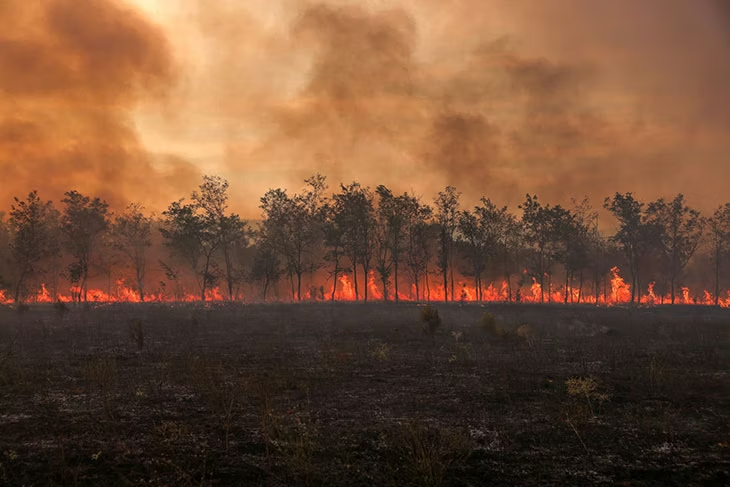
ဧရာမ ‘အပူလှိုင်းမုန်တိုင်းကြီးများ’ က ကမ္ဘာမြေကို ပူပြင်းလောင်ကျွမ်းစေလျက်ရှိသည်။ ဤသည်မှာ သမိုင်းတစ်လျှောက် စံချိန်တင် အကြီးမားဆုံး အပူလှိုင်းမုန်တိုင်းကြီးအကြောင်း ဖြစ်သည်။
၂၀ အောက်တိုဘာ၊၂၀၂၆-
ရိုက်တာ (Reuters) သတင်းဌာန၏ လေ့လာဆန်းစစ်ချက်အရ ယခင်က သီးခြားဖြစ်ပေါ်လေ့ရှိသော သာမန် "အပူလှိုင်း (Heat waves)" များသည် ယခုအခါ ကမ္ဘာ့မျက်နှာပြင် ကျယ်ပြန့်စွာကို လပေါင်းများစွာ သို့မဟုတ် နှစ်ချီ၍ ဖုံးလွှမ်းနိုင်သည့် ဧရာမ "အပူလှိုင်းမုန်တိုင်းများ (Heat storms)" အဖြစ် အသွင်ကူးပြောင်းလာပြီဖြစ်ကြောင်းဖော်ပြထားသည်။
အပူလှိုင်းမုန်တိုင်း (Heat Storm) သတ်မှတ်ချက်နှင့် စိုးရိမ်ဖွယ် ကိန်းဂဏန်းများ
Heat Storm Vera ၏ ကမ္ဘာလုံးဆိုင်ရာ အဖျက်စွမ်းအား (၂၀၂၃ ဇူလိုင် - ၂၀၂၄ ဇူလိုင်)
ရက်ပေါင်း ၃၆၇ ရက်ကြာ တိုက်ခတ်ခဲ့ပြီး ကမ္ဘာ့မျက်နှာပြင် ၈၅ ရာခိုင်နှုန်းအထိ ဖုံးလွှမ်းခဲ့သော ဆိုးရွားသည့် မုန်တိုင်းကြီးဖြစ်သည်။ အီရန်နိုင်ငံ Lut သဲကန္တာရတွင် ၅၃.၃ ဒီဂရီဆဲလ်စီးယပ်စ်အထိ စံချိန်တင်မြင့်တက်ခဲ့ပြီး ကမ္ဘာတစ်ဝန်း အောက်ပါ ဘေးအန္တရာယ်များကို ဆက်တိုက်ဖြစ်ပေါ်စေခဲ့သည် -
စံချိန်သစ်တင်ခဲ့သည့် Heat Storm Raimundo (၂၀၂၆)
Heat Storm Vera သည် ၎င်း၏သက်တမ်းတစ်လျှောက် ကမ္ဘာ့မျက်နှာပြင်၏ ၈၅ ရာခိုင်နှုန်းနီးပါးကို ဖြတ်သန်းခဲ့ပြီး စံချိန်တင်ခဲ့သည့်အပြင်၊ ၂၀၂၄ ခုနှစ် ဇန်နဝါရီလ ၅ ရက်နေ့တွင် ၎င်း၏အမြင့်ဆုံးအခြေအနေ၌ ကမ္ဘာ့မျက်နှာပြင်၏ ၃၁.၃ ရာခိုင်နှုန်းအထိ ဖုံးလွှမ်းနိုင်ခဲ့ကာ အကြီးမားဆုံးစံချိန်ကို တင်နိုင်ခဲ့သည်။ သို့သော် ယခုနှစ် (၂၀၂၆) နွေရာသီတွင် ထိုစံချိန်များကို Heat Storm Raimundo က ချိုးဖျက်သွားခဲ့သည်။
Heat Storm Raimundo အပူလှိုင်းမုန်တိုင်းကြီးသည် ဥရောပတစ်ခွင်ကို အလွန်အမင်း ပူပြင်းစေခဲ့ပြီး စပိန်နှင့် ပြင်သစ်နိုင်ငံတို့တွင် ဧရာမ တောမီးလောင်ကျွမ်းမှုကြီးများကို ဖြစ်ပေါ်စေခဲ့သည်။ ဩဂုတ်လ ၂၈ ရက်နေ့တွင် Raimundo သည် ကမ္ဘာ့မျက်နှာပြင်၏ ၃၃.၈ ရာခိုင်နှုန်းအထိ ကျယ်ပြန့်စွာ ဖုံးလွှမ်းနိုင်ခဲ့ပြီး Vera ၏ အမြင့်ဆုံးလွှမ်းခြုံနိုင်မှုစံချိန်ကို ကျော်လွန်သွားခဲ့သည်။ ၂၀၂၆ ခုနှစ် ဖေဖော်ဝါရီလ ၂၈ ရက်နေ့တွင် စတင်ဖြစ်ပေါ်ခဲ့သော ဤမုန်တိုင်းသည် လက်ရှိအချိန်အထိ ကမ္ဘာ့မျက်နှာပြင်၏ ၇၅ ရာခိုင်နှုန်းနီးပါး (လေးပုံ သုံးပုံခန့်) ကို ထိတွေ့ဖြတ်သန်းခဲ့ပြီးဖြစ်သည်။
Vera နှင့် Raimundo အပူလှိုင်းမုန်တိုင်းကြီး နှစ်ခုစလုံးသည် အရည်ပျော်နေသော နီပေါရေခဲမြစ်ပေါ်တွင် အချိန်အတိုင်းအတာတစ်ခုအထိ ဖုံးလွှမ်းတိုက်ခတ်ခဲ့ကြသည်။ ဩဂုတ်လ ၂၆ ရက်နေ့တွင် အဆိုပါရေခဲမြစ်ကြီး ပြိုကျပျက်စီးခဲ့ပြီး၊ ဆိုးရွားပြင်းထန်သော ရုတ်တရက် ရေကြီးရေလျှံမှုများနှင့် ရွှံ့နွံများပြိုကျမှု (နီပေါနိုင်ငံ၊ Devighat ဒေသ) တို့ ဆက်တိုက်ဖြစ်ပေါ်ခဲ့ကာ လူထောင်ပေါင်းများစွာ အသက်ဆုံးရှုံးခဲ့ရသည်။ ကနဦး လေ့လာတွေ့ရှိချက်များအရ အပူချိန်မြင့်တက်လာမှုများသည် ရေခဲမြစ်နှင့် ၎င်း၏အောက်ခံကျောက်လွှာများကို အားနည်းကာ ပြိုကျစေရန် အဓိက တွန်းအားပေးခဲ့ကြောင်း သိရသည်။
အဆိုပါရေခဲမြစ်ကြီး မပြိုကျမီအချိန်အထိ ၎င်းဧရိယာသည် ယခုဆယ်စုနှစ်အတွင်း အချိန်၏ ၅၈ ရာခိုင်နှုန်းခန့်ကို အပူလှိုင်း သို့မဟုတ် အပူလှိုင်းမုန်တိုင်းများအောက်တွင် ဖြတ်သန်းခဲ့ရသည်။ (၁၉၆၀ ပြည့်လွန်နှစ်များက ၇ ရာခိုင်နှုန်းသာ ရှိခဲ့သည်။) ပိုမိုဆိုးရွားသည့်အချက်မှာ ရေခဲမြစ်ကြီး မပြိုကျမီ ခြောက်ရက်တိတိ အဆိုပါနေရာကို Heat Storm Raimundo က အပြည့်အဝ ဖုံးလွှမ်းထားခဲ့ခြင်းဖြစ်သည်။
Raimundo ၏ အဖျက်စွမ်းအားသည် ယခုအချိန်အထိ ပြီးဆုံးမသွားသေးပေ။ မုန်တိုင်းသက်တမ်းမှာ ရက်ပေါင်း ၂၃၅ ရက်ရှိနေပြီဖြစ်ကာ ကမ္ဘာကြီးကို ဆက်လက် အပူလောင်မြိုက်နေဆဲဖြစ်သည်။
(Source: ရိုက်တာသတင်းဌာနက သုတေသနပြုရေးသားထားသည့် Giant ‘heat storms’ are scorching the Earth. This is the story of the biggest one on record.ဆောင်းပါးကို ကောက်နှုတ်ဖော်ပြပေးပါသည်။)

၁၄ ဧပြီ၊၂၀၂၆
စပါးကြီးမြွေတွေဟာ သမင်လို အကောင်ကြီးမျိုးကို တစ်ထိုင်တည်း မျိုချပြီးရင် လနဲ့ချီပြီး ဘာမှထပ်မစားဘဲ နေနိုင်ကြတဲ့ ထူးခြားတဲ့ အလေ့အထရှိပါတယ်။ အခုအခါမှာတော့ သိပ္ပံပညာရှင်တွေက မြွေတွေရဲ့ ဒီလိုထူးခြားတဲ့ ဇီဝကမ္မဖြစ်စဉ်မှာ အဓိကကျတဲ့ မော်လီကျူးတစ်ခုကို ရှာဖွေတွေ့ရှိခဲ့ပြီး၊ ဒါဟာ အဝလွန်သူတွေအတွက် ဆေးဝါးအသစ်တွေ ထုတ်လုပ်ရာမှာ လမ်းစတစ်ခု ဖြစ်လာနိုင်တယ်လို့ ဆိုပါတယ်။
မြွေတွေ အစာစားပြီးချိန်မှာ သူတို့ရဲ့ သွေးထဲမှာ အဆပေါင်း ၁၀၀၀ လောက်အထိ မြင့်တက်လာတတ်တဲ့ pTOS လို့ခေါ်တဲ့ မော်လီကျူးတစ်ခုကို အဝလွန်နေတဲ့ ကြွက်တွေကို စမ်းသပ်တိုက်ကြည့်ခဲ့ပါတယ်။ အဲဒီအခါ ကြွက်တွေဟာ အစားအသောက်ကို သိပ်မစားတော့ဘဲ ကိုယ်အလေးချိန် အမြန်ကျသွားတာကို အံ့ဩဖွယ် တွေ့ရှိခဲ့ရပါတယ်။ ဒီမော်လီကျူးဟာ Wegovy လို နာမည်ကြီး ဝိတ်ကျဆေးတွေနဲ့ ဆင်တူတဲ့ အာနိသင်မျိုး ပေးစွမ်းနိုင်တာကို တွေ့ရပါတယ်။
လက်ရှိသုံးနေတဲ့ Wegovy လို ဆေးတွေက အစာအိမ်ထဲကနေ အစာဆင်းတာကို နှေးစေပြီး အချိန်ကြာကြာ ဗိုက်ပြည့်နေသလို ခံစားရစေပေမယ့် ပျို့အန်တာ၊ ဝမ်းချုပ်တာနဲ့ ဗိုက်အောင့်တာမျိုးတွေ ဖြစ်စေတတ်ပါတယ်။ ဒါပေမဲ့ အခုတွေ့ရှိတဲ့ pTOS မော်လီကျူးကတော့ အဲဒီလို ဘေးထွက်ဆိုးကျိုးတွေ မရှိဘဲ၊ အစားစားချင်စိတ်ကို ထိန်းချုပ်ပေးတဲ့ ဦးနှောက်ရဲ့ အစိတ်အပိုင်း (Hypothalamus) ကို တိုက်ရိုက် သွားရောက်သက်ရောက်စေတာ ဖြစ်ပါတယ်။
"ကျွန်တော်တို့က မြွေတွေမှ မဟုတ်တာ" လို့ တွေးစရာရှိပေမယ့်၊ ဒီမော်လီကျူးက လူတွေရဲ့ ဆီးထဲမှာလည်း နည်းနည်းပါးပါး ပါဝင်နေတတ်တဲ့ သဘာဝဓာတ်တစ်ခု ဖြစ်ပါတယ်။ လူ့ခန္ဓာကိုယ်မှာလည်း သဘာဝအတိုင်း ရှိနေပြီးသားဖြစ်တဲ့အတွက် အနာဂတ်မှာ ဆေးအဖြစ်ထုတ်လုပ်တဲ့အခါ ဘေးထွက်ဆိုးကျိုးနည်းပြီး ပိုမိုဘေးကင်းလုံခြုံမှု ရှိနိုင်တယ်လို့ ပညာရှင်တွေက မျှော်လင့်နေကြပါတယ်။
ဒီရှာဖွေတွေ့ရှိမှုကို လူတွေမှာ လက်တွေ့ဆေးအဖြစ် အသုံးပြုနိုင်ဖို့အတွက်တော့ ထပ်ပြီး သုတေသနတွေ အများကြီး လုပ်ဖို့ လိုအပ်ပါသေးတယ်။ ဒါပေမဲ့ သဘာဝတရားကြီးထဲမှာ ဒီလို အလွန်အမင်း ထူးခြားတဲ့ အစွမ်းသတ္တိတွေရှိတဲ့ တိရစ္ဆာန်တွေဆီကနေ လူသားတွေ ကျန်းမာရေးအတွက် အကျိုးရှိမယ့်အရာတွေ အများကြီး သင်ယူနိုင်တယ်ဆိုတာကို ဒီလေ့လာမှုက သက်သေပြလိုက်တာပဲ ဖြစ်ပါတယ်။ Source: The Guardian

၁၄ ဧပြီ၊၂၀၂၆
လူအတော်များများက ကျန်းမာရေးအတွက် နေ့စဉ် အားဆေး (Multivitamins) တွေ သောက်လေ့ရှိကြပါတယ်။ ဒါပေမဲ့ တချို့သော ရောဂါကုသတဲ့ ဆေးဝါးတွေနဲ့ အားဆေးတွေကို တွဲသောက်လိုက်တဲ့အခါ ခန္ဓာကိုယ်က ဆေးစုပ်ယူမှုကို အနှောင့်အယှက်ဖြစ်စေနိုင်ပါတယ်။ ဗီတာမင်နဲ့ သတ္တုဓာတ်တွေက ဆေးဝါးတွေနဲ့ လမ်းကြောင်းတူတူ ဖြတ်သန်းရတာမို့ ဆေးအာနိသင်ကို ပြောင်းလဲသွားစေနိုင်လို့ သတိထားဖို့ လိုပါတယ်။
လည်ပင်းကျိတ် (သိုင်းရွိုက်) ဆေးတွေနဲ့ အရိုးပွရောဂါဆေးတွေဟာ အားဆေးတွေနဲ့ သိပ်မတည့်ပါဘူး။ အားဆေးထဲမှာပါတဲ့ ကယ်လ်ဆီယမ်နဲ့ သံဓာတ်တွေက အဲဒီဆေးတွေရဲ့ အာနိသင်ကို လျော့ကျစေပါတယ်။ ဒါကြောင့် ဒီဆေးတွေကို မနက် အစာမစားခင် ဗိုက်ဟာနေချိန်မှာ အရင်သောက်တာ အကောင်းဆုံးဖြစ်ပြီး၊ အားဆေးသောက်မယ်ဆိုရင် ဆေးသောက်ပြီး အနည်းဆုံး ၂ နာရီကနေ ၄ နာရီလောက် ခြားပြီးမှ သောက်သင့်ပါတယ်။
ပဋိဇီဝဆေး (ပိုးသတ်ဆေး) တွေ သောက်တဲ့အခါမှာလည်း အားဆေးနဲ့ အနည်းဆုံး ၂ နာရီလောက် ခြားသောက်ရပါမယ်။ မဟုတ်ရင် အားဆေးထဲက သတ္တုဓာတ်တွေနဲ့ ပေါင်းသွားပြီး ပိုးသတ်ဆေးက အပြည့်အဝ အာနိသင် မပြနိုင်တော့ပါဘူး။ သွေးကျဲဆေး (Warfarin) သောက်နေတဲ့သူတွေဆိုရင်လည်း အားဆေးထဲမှာပါတတ်တဲ့ ဗီတာမင် ကေ (Vitamin K) ကြောင့် သွေးခဲတာကို ကာကွယ်ပေးတဲ့ ဆေးအာနိသင်ကို ထိခိုက်စေနိုင်ပါတယ်။ ဒါကြောင့် ဗီတာမင် ကေ ပါတဲ့ အားဆေးတွေကို ကိုယ့်သဘောနဲ့ကိုယ် ရပ်လိုက်၊ သောက်လိုက် မလုပ်ဘဲ ဆရာဝန်နဲ့ သေချာတိုင်ပင်ပြီးမှ သောက်သင့်ပါတယ်။
ဆီးသွားစေတဲ့ဆေး (Diuretics) နဲ့ အစာအိမ်ဆေးတွေ သောက်နေရင်လည်း သတိထားရပါမယ်။ သွေးတိုးကျဖို့ပေးတဲ့ ဆီးဆေးတွေက ခန္ဓာကိုယ်ထဲက ဓာတ်ဆားတွေကို အပြောင်းအလဲဖြစ်စေလို့ အားဆေးတွေနဲ့ တွဲသောက်ရင် ကယ်လ်ဆီယမ်ဓာတ်တွေ အရမ်းများသွားတာမျိုး ဖြစ်တတ်ပါတယ်။ နောက်ပြီး အစာအိမ်လေနာဆေး (PPIs) တွေက အစာအိမ်အက်ဆစ်ကို လျှော့ချပေးတာမို့ အားဆေးထဲက ဗီတာမင် B12 နဲ့ သံဓာတ်တွေကို ခန္ဓာကိုယ်က ကောင်းကောင်း စုပ်ယူဖို့ ခက်ခဲသွားစေပါတယ်။
အချုပ်ပြောရရင်တော့ ပညာရှင်တွေက အားဆေးဆိုတာ လိုအပ်တဲ့ အာဟာရကို ဖြည့်တင်းပေးဖို့ပဲဖြစ်ပြီး အစားအစာအစစ်တွေနေရာမှာ အစားထိုးဖို့ မဟုတ်ဘူးလို့ ဆိုပါတယ်။ အကောင်းဆုံးကတော့ အသီးအနှံ၊ ဟင်းသီးဟင်းရွက်စတဲ့ သဘာဝအစားအစာတွေကိုပဲ မျှတအောင် စားသုံးပေးဖို့ပါ။ တကယ်လို့ သင်က ပုံမှန်သောက်နေရတဲ့ ဆေးတွေရှိတယ်ဆိုရင်တော့ အားဆေးတွေ မသောက်ခင် ဆရာဝန် သို့မဟုတ် ဆေးဝါးကျွမ်းကျင်ပညာရှင်နဲ့ အရင်ဆုံး တိုင်ပင်ဆွေးနွေးတာ အလုံခြုံဆုံးပါပဲ။