
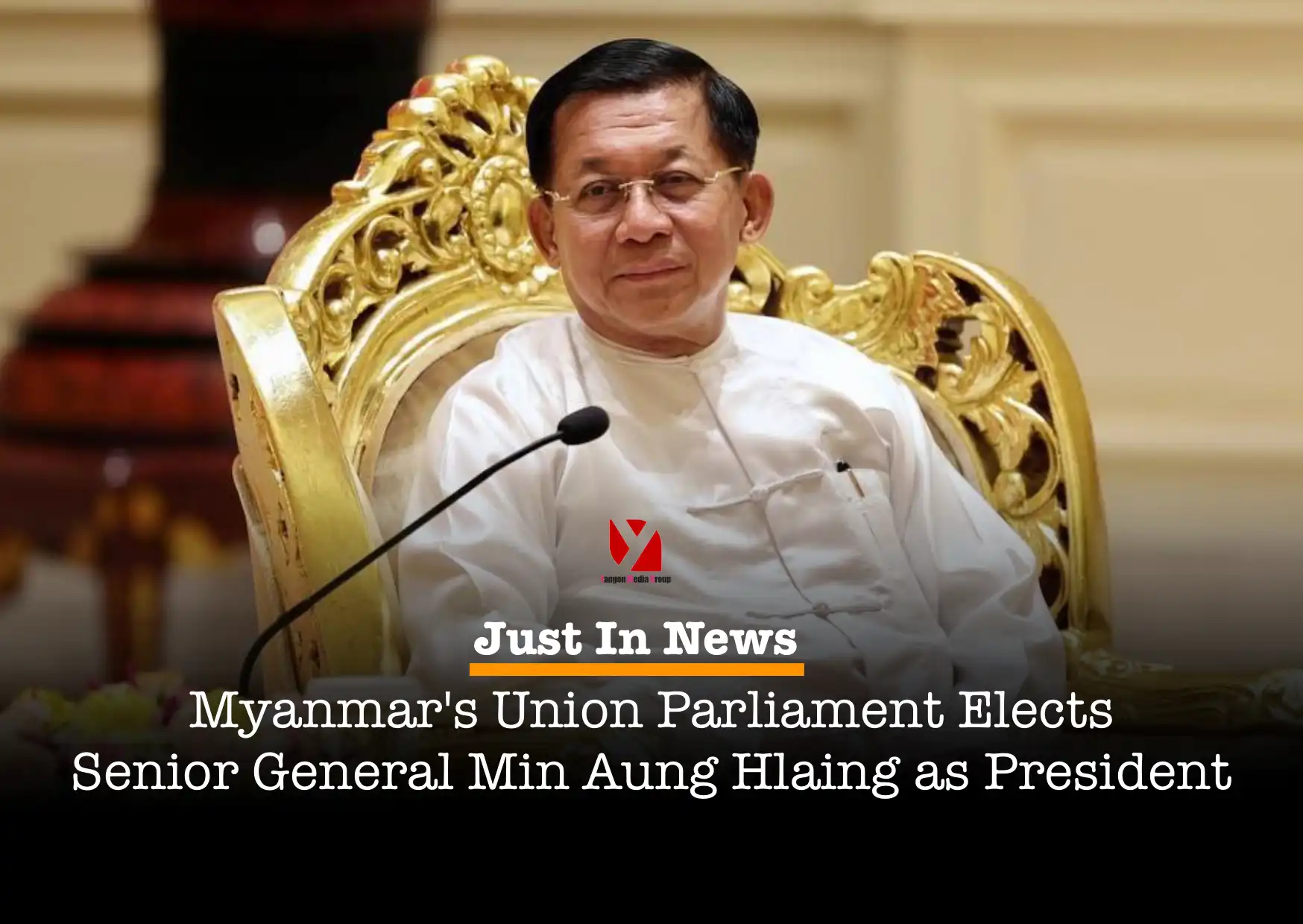
NAY PYI TAW, Myanmar, April 3, 2026 — The Third Union Parliament's (Pyidaungsu Hluttaw) presidential election was held on the morning of April 3 at the Union Parliament Hall in Nay Pyi Taw, where Senior General Min Aung Hlaing was elected as President of Myanmar with the highest number of affirmative votes.
Senior General Min Aung Hlaing secured the presidency with 429 votes. U Nyo Saw garnered the second-highest number of votes at 126 to become First Vice President, while Daw Nan Ni Ni Aye was elected as Second Vice President with 29 votes. The Union Parliament officially confirmed their respective appointments.
Senior General Min Aung Hlaing, who recently retired from his post as Commander-in-Chief of Defense Services, currently serves as the Chairman of the State Security and Peace Commission. U Nyo Saw is the incumbent Prime Minister. Daw Nan Ni Ni Aye serves as the Kayin State Chairperson for the Union Solidarity and Development Party (USDP) and is an elected representative who secured a victory in the state-level elections.
#ymg/knl
HPA-AN, MYANMAR — April 2
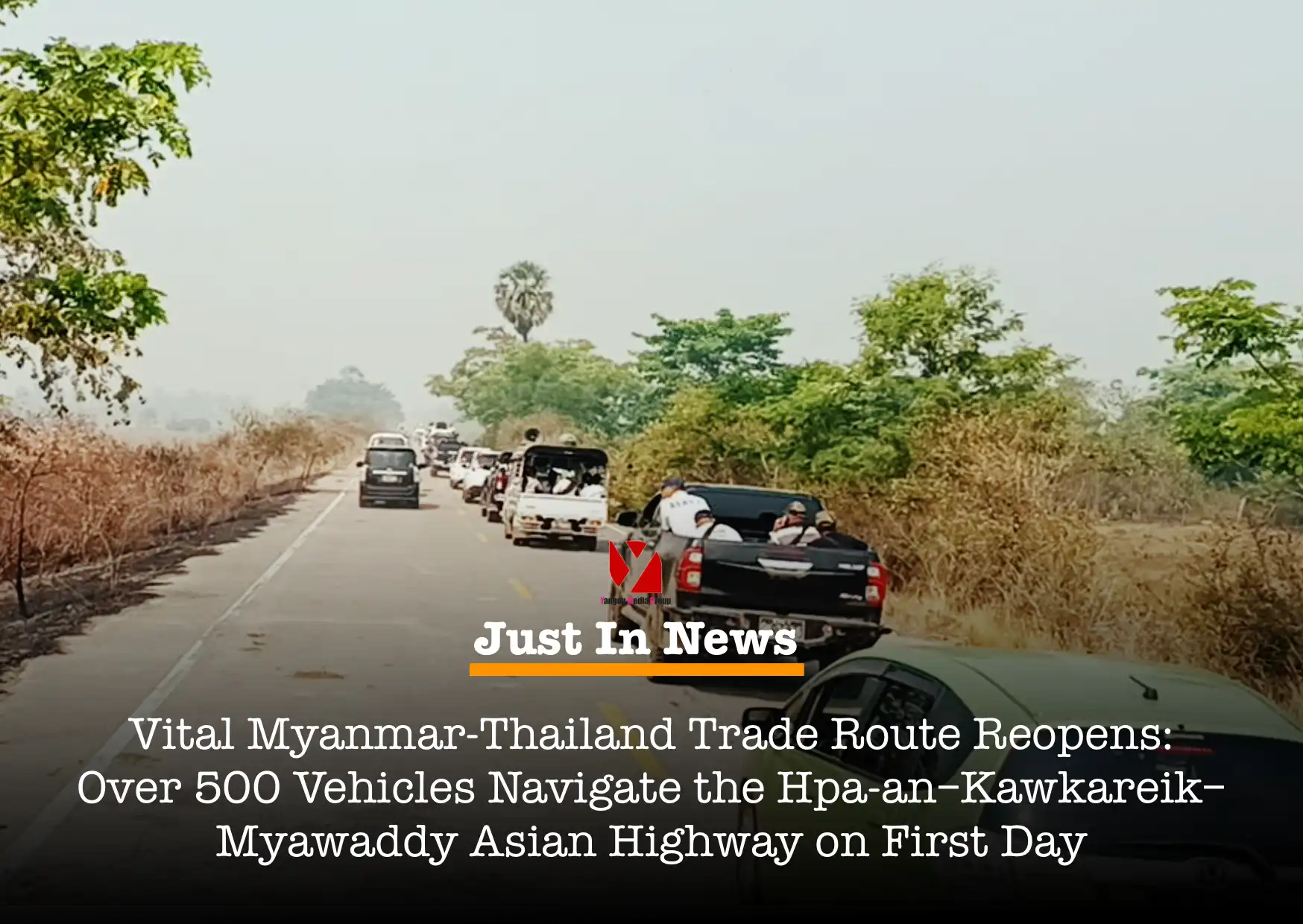
Following a prolonged period of closure, the Hpa-an–Kawkareik–Myawaddy stretch of the Asian Highway—a critical artery for cross-border trade in Kayin State—officially reopened to the public today.
Official figures recorded by 4:00 PM indicated a total of 555 vehicles traversing the highway on its opening day. This traffic flow included 223 passenger buses, freight trucks, and private vehicles traveling from Hpa-an to the border town of Myawaddy, alongside 332 vehicles making the return journey.
To facilitate the smooth flow of goods and ensure commuter safety, a joint task force has been stationed at the Tadarkyoe combined checkpoint in Kawkareik Township. The coalition, comprising military personnel, the Myanmar Police Force, the Road Transport Administration Department, and Customs officials, is conducting necessary inspections and providing on-the-ground assistance to travelers.
Spanning 165.36 kilometers, the highway is a crucial segment of the Greater Mekong Sub-region East-West Economic Corridor. It stands as Myanmar's most significant economic lifeline, facilitating the highest volume of overland trade with neighboring Thailand.
Traffic and commerce were previously paralyzed due to regional armed conflicts, which resulted in severe damage to roads and bridges from landmine explosions. Following security operations by state forces to clear and stabilize the area, the damaged infrastructure was rapidly restored utilizing both Union and State funds, culminating in today's reopening.
To mark the occasion and promote safe travels, local religious leaders conducted a mobile blessing ceremony this morning. Monks led by the Sayadaw of Mya Thukha Tat U Monastery in Myawaddy traveled by convoy along the newly reopened route—from Thingannyinaung village to Hlaingwa village in Kawkareik Township—reciting Paritta (protective) verses for the security and well-being of future commuters.
NAYPYITAW, April 1
Myanmar's Acting President, Senior General Min Aung Hlaing, has emphasized the need to implement a vehicle exchange system that allows the import of electric vehicles (EVs) to replace older, fuel-powered vehicles. The initiative aims to significantly reduce the nation's domestic fuel demands and curb foreign currency expenditure.
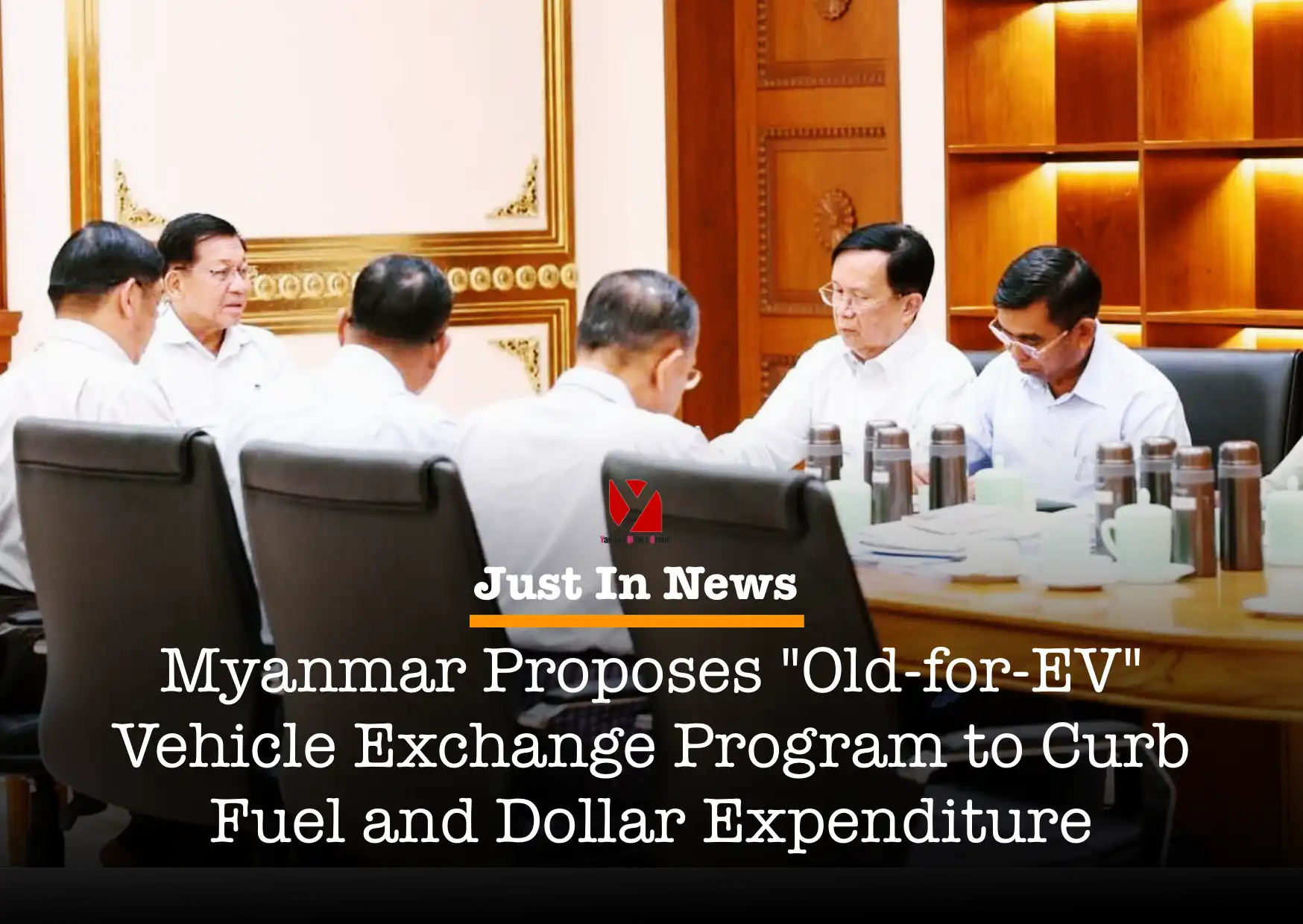
The Senior General announced the proposed policy during a coordination meeting focused on ensuring adequate supplies of fuel and agricultural fertilizers. The meeting was held on the afternoon of April 1 at the office of the Chairman of the National Defence and Security Council in Naypyidaw.
Policy Driven by Global Instability
The consideration of this new policy emerges as Myanmar grapples with domestic fuel shortages and surging prices, largely driven by global oil market instability and ongoing conflicts in the Middle East.
Senior General Min Aung Hlaing, who also serves as the Chairman of the State Security and Peace Commission, explained to attendees that facilitating EV imports in exchange for decommissioning old vehicles serves a dual macroeconomic purpose. It is projected to lower the country's reliance on imported fuel while simultaneously controlling the outflow of US dollars required to purchase foreign goods.
High-Level Coordination
The meeting underscored the urgency of the economic measures, bringing together top-tier government and financial figures. Attendees included Prime Minister U Nyo Saw, senior military officials, key cabinet ministers overseeing finance and home affairs, and the Governor of the Central Bank of Myanmar.
Ongoing Crisis Management Measures
To mitigate the immediate impacts of the ongoing fuel crisis, the government has already rolled out several conservation measures. Currently, authorities are enforcing an odd/even license plate rationing system for vehicle refueling. Additionally, government employees are mandated to carry out their office duties from home every Wednesday. The state is also actively encouraging citizens to rely primarily on public transportation networks, particularly the railway system, to further reduce individual fuel consumption.
ymg/knl
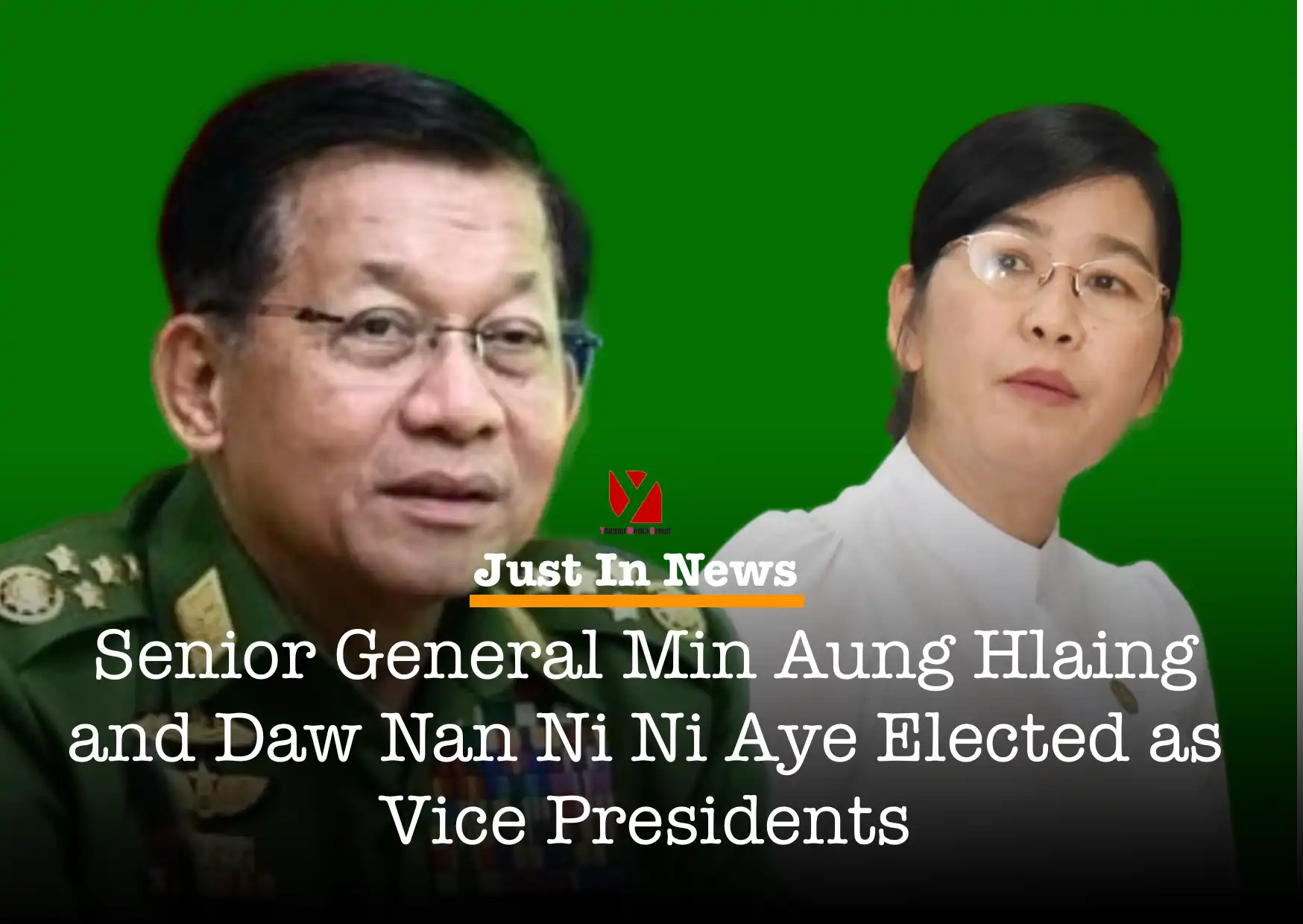
YANGON-March 31 — Senior General Min Aung Hlaing and Daw Nan Ni Ni Aye have been elected as vice presidents representing the Pyithu Hluttaw (House of Representatives) and the Amyotha Hluttaw (House of Nationalities), respectively.
During the second day of the Presidential Electoral College meetings held today, March 31, at the Pyithu Hluttaw building, elected representatives of the lower house cast their votes. Senior General Min Aung Hlaing secured the group's vice-presidential nomination with 247 votes, defeating Dr. Kyaw Swe of the National Unity Party.
Similarly, elected representatives of the Amyotha Hluttaw convened at the upper house building for their second day of meetings. Daw Nan Ni Ni Aye, representing the Union Solidarity and Development Party (USDP), was elected as the upper house's vice-presidential nominee with 117 votes, prevailing over Dr. Manam Tu Ja of the Kachin State People's Party.
As a result, Senior General Min Aung Hlaing and Daw Nan Ni Ni Aye have officially become the vice presidents nominated by the lower and upper houses of Myanmar parliament.
The bloc of military-appointed representatives has yet to officially announce its vice-presidential nominee. However, several media outlets speculate that the current Prime Minister, U Nyo Saw, will be selected for the role.
The Pyidaungsu Hluttaw (Assembly of the Union) will subsequently convene to elect the President of the State from among the three vice-presidential candidates—the two elected today and the forthcoming military nominee. The candidate who receives the highest number of parliamentary votes will assume the presidency, while the candidate with the second-highest number of votes will become the First Vice President, and the candidate with the third-highest will serve as the Second Vice President.
#ymg/knl
NAYPYITAW — March 30, 2026
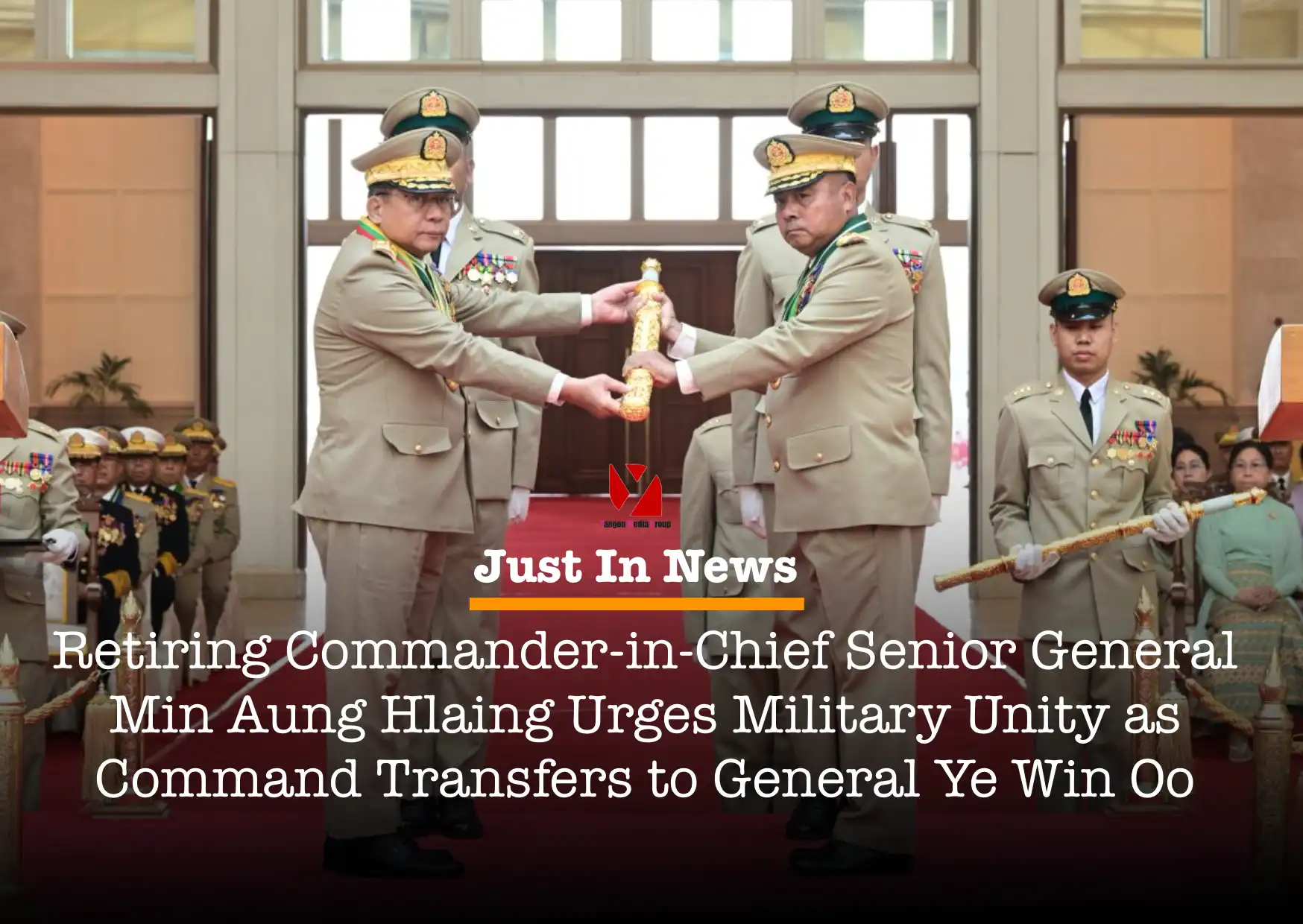
Retiring Commander-in-Chief of Defense Services, Senior General Min Aung Hlaing, urged the armed forces to carry out their duties with unity under the guidance of their new leadership as he officially handed over his command.
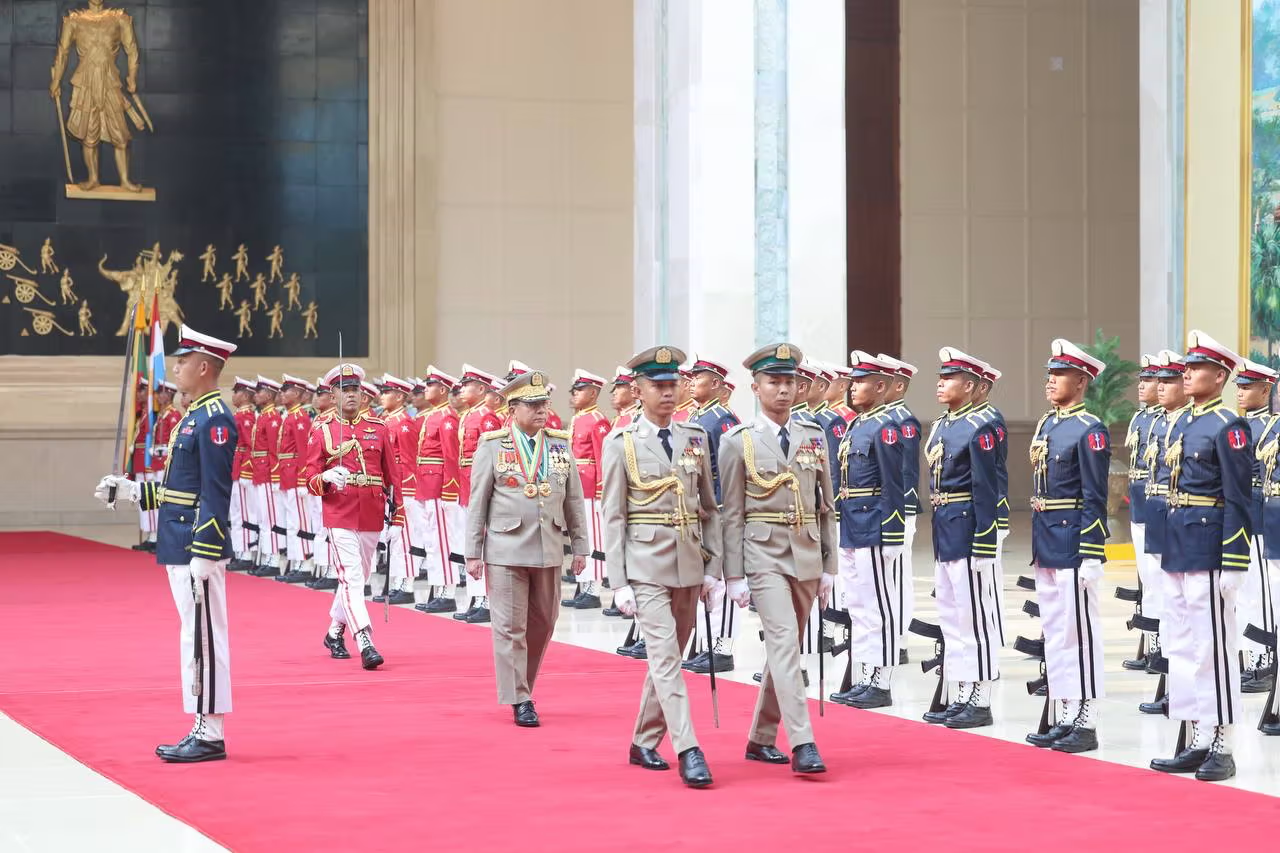
The formal transfer of command, accompanied by a military parade, took place on the morning of March 30 at the Zeyathiri Beikman in Naypyitaw. During the ceremony, Senior General Min Aung Hlaing officially transferred his responsibilities to the former Commander-in-Chief (Army), General Ye Win Oo.
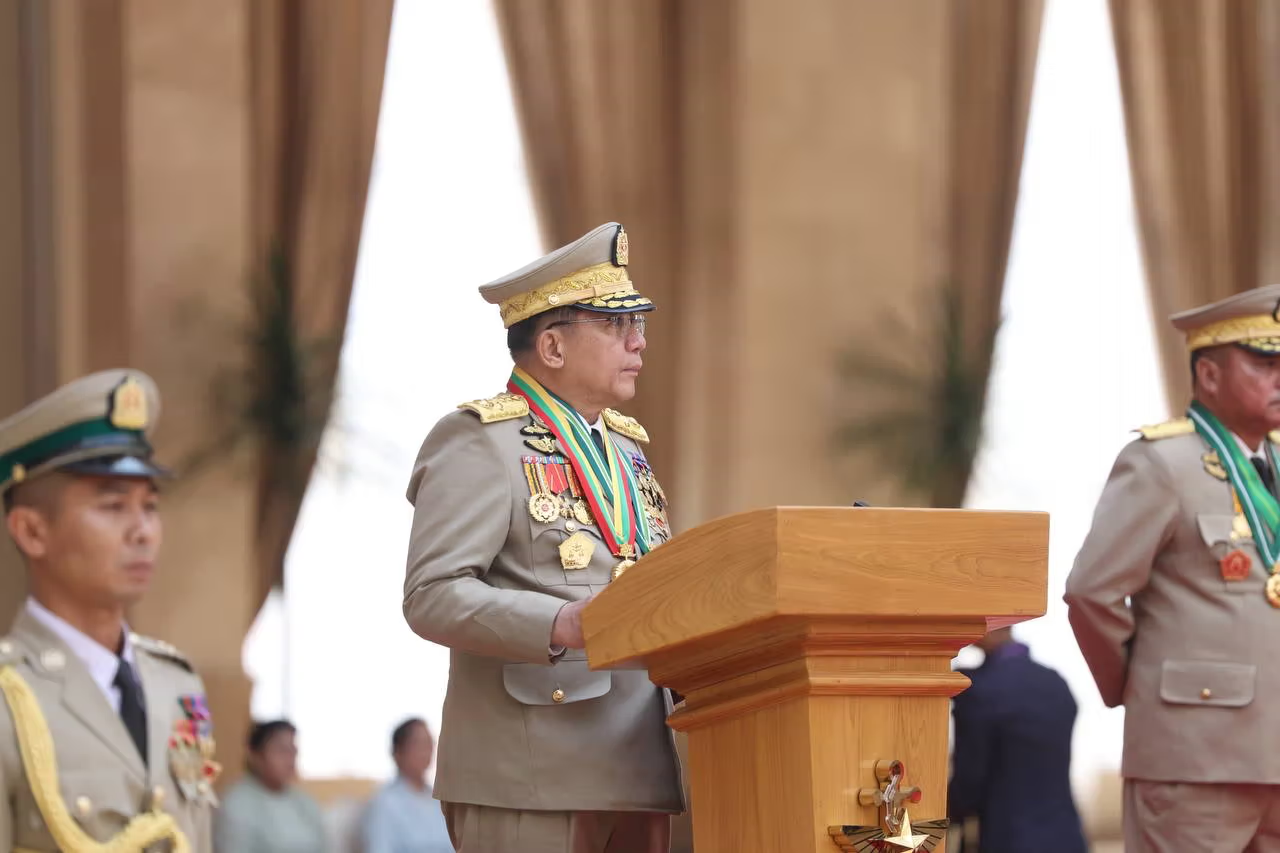
In his farewell address, Senior General Min Aung Hlaing called upon the military personnel to strive together cohesively under the new Commander-in-Chief. Highlighting the enduring nature of the nation and its armed forces, he stated, "As long as the world exists, Myanmar must exist; as long as Myanmar exists, the Myanmar Tatmadaw must exist." He urged the military to preserve its noble historical traditions and to continue operating as an institution that both the state and the public can rely upon.
Reflecting on his tenure, the Senior General noted that he had fulfilled his duties to the best of his physical and intellectual abilities since being entrusted with the leadership role by former military heads. He stated that he had actively worked to build a strong, capable, modern, and patriotic military, aligning with the visions set forth by successive military leaders, including General Ne Win.
He further added that by combining the guidance of past leaders with his own life experiences, he was able to successfully elevate the Tatmadaw's capabilities to be on par with international armed forces.
In response, the newly appointed Commander-in-Chief of Defense Services, General Ye Win Oo, delivered a speech expressing his gratitude and affirming his commitments to his new role.
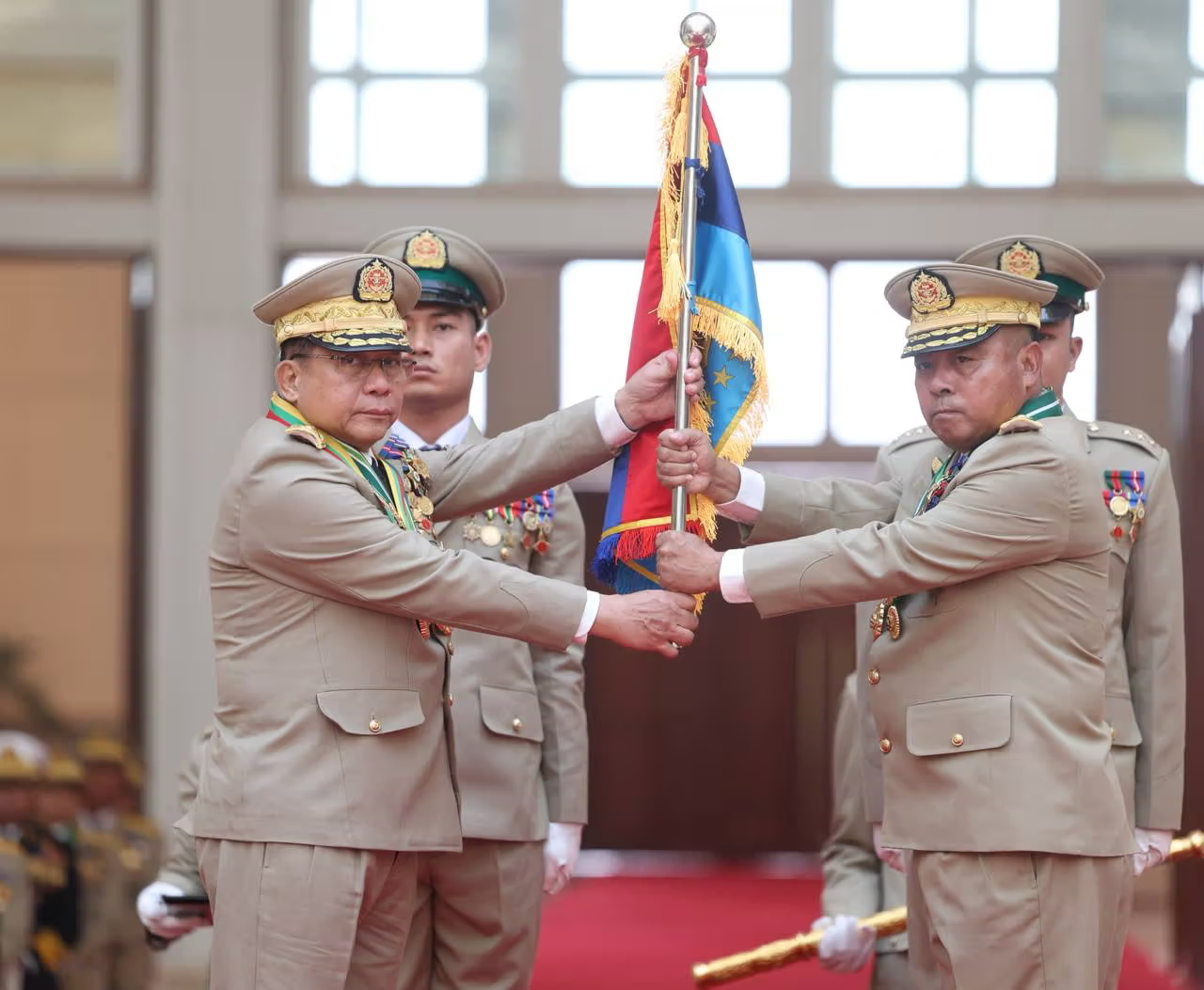
The ceremonial handover concluded with Senior General Min Aung Hlaing presenting the official insignia of command, the ceremonial sword, and the flag of the Office of the Commander-in-Chief to General Ye Win Oo. In a gesture of respect, General Ye Win Oo then presented a commemorative ceremonial sword back to his predecessor.
Following the formalities, Senior General Min Aung Hlaing and his wife, Daw Kyu Kyu Hla, alongside the new Commander-in-Chief General Ye Win Oo and his wife, Daw Nilar, cordially greeted senior military officers, their spouses, and other invited guests in attendance.
#ymg/knl

NAYPYITAW, March 28 — To withstand potential future natural disasters, Acting President of the Republic of the Union of Myanmar and Chairman of the State Security and Peace Commission, Senior General Min Aung Hlaing, has urged the mandatory integration of resilience and established standards—including strict adherence to Building Codes—into the construction of all new buildings, roads, and bridges.
The directive was the centerpiece of his address today at the Myanmar International Convention Centre (MICC-1) during a memorial and rehabilitation ceremony marking the one-year anniversary of the devastating 7.7 magnitude Mandalay earthquake.
The catastrophic tremor, which struck exactly a year ago on March 28, 2025, claimed 3,818 lives across 10 regions and states. In his speech, the Acting President noted that subsequent investigations revealed the majority of these fatalities were the direct result of collapsed structures that failed to meet engineering specifications and building regulations. Consequently, he issued a firm instruction to government departments, private sector engineers, architects, and developers to prioritize the systematic construction of safe, secure infrastructure for the public.
The earthquake inflicted severe economic damage, with total losses estimated at over 7,979 billion kyats and affecting more than 424,000 individuals. Amidst the crisis, Myanmar received a massive outpouring of international support. A total of 1,935 search and rescue personnel and 845 medical experts from 25 nations deployed to the affected zones.
The Head of State expressed his deep gratitude to both domestic and international rescue teams, highlighting that their courageous, collaborative efforts resulted in 653 people being rescued alive from the rubble.
Outlining the state's rehabilitation efforts, Senior General Min Aung Hlaing detailed that the government provided 1 million kyats in financial assistance to the families of each deceased victim. Furthermore, over 1,600 billion kyats were disbursed to support the injured and repair damaged housing. An additional 3,421.975 billion kyats from the National Disaster Management Fund was allocated for the reconstruction of public infrastructure, religious institutions, and cultural heritage sites. Currently, overall rehabilitation works are estimated to be 84% complete.
Citing the World Risk Index 2025, which ranks Myanmar sixth globally for disaster vulnerability, the Acting President underscored the urgent necessity of mainstreaming disaster management protocols across all sectors.
Concluding his address, he emphasized that government action alone is insufficient. Invoking the resilient spirit of "We are stronger, We are together"—which he credited for guiding the nation through the Covid-19 pandemic, Cyclone Mocha, and Cyclone Yagi—he called for unified cooperation between the state and the public to build a resilient and sustainably developed nation for the future.
Along with the Senior General, the ceremony was attended by Vice Chairman of the Commission Vice-Senior General Soe Win and other commission members. Also present in full attendance were ambassadors and diplomats from foreign countries that provided assistance during the earthquake, as well as representatives from domestic and international organizations, donors, and other contributors.

NAYPYITAW, March 26, 2026
Vice Chairman of the State Security and Peace Commission and Deputy Commander-in-Chief of Defence Services, Vice Senior General Soe Win, has confirmed that leadership changes within the military (Tatmadaw) will take place following the conclusion of the 81st Armed Forces Day ceremonies.
The announcement was made on the afternoon of March 26 during a ceremony held at the Bayinnaung Villa in Naypyitaw, where respects were paid to retired senior military officers ahead of the 81st Armed Forces Day.
Vice Senior General Soe Win stated that regardless of who assumes leadership, the military will steadfastly continue to follow the guidance of its successive leaders and mentors, adhering strictly to established military doctrines and policy guidelines.
Furthermore, he emphasized that the military will continue to faithfully discharge its primary duty of national defense and will work collaboratively, hand-in-hand, in accordance with the policies of the state government.
Attending on behalf of the Commander-in-Chief of Defence Services, Vice Senior General Soe Win and his wife were joined by Commission Secretary and Commander-in-Chief (Army) General Ye Win Oo and his wife, Chief of General Staff (Army, Navy, and Air) General Kyaw Swar Lin and his wife, alongside other senior officers from the Office of the Commander-in-Chief. They paid respects on behalf of the Tatmadaw (Army, Navy, Air) families to 18 retired senior military officers and 9 of their spouses, totaling 27 honored attendees.
During the ceremony, Vice Senior General Soe Win also addressed the ongoing political transition. He disclosed that a president and vice presidents will be elected in the coming days, leading to the emergence of a new democratic government to which state responsibilities will be formally transferred.
Speaking on behalf of the honored retirees, former President General Thein Sein (Retired) delivered a speech of gratitude. He highlighted that as the upcoming democratic government strives to better the nation, enforce the rule of law, and elevate the public's socio-economic livelihoods, national stability and peace remain fundamental prerequisites. Consequently, he underscored the critical role of the military and urged the armed forces to continuously strive for excellence and high operational capability to fully execute their national defense and security duties.
Following the formal addresses, Vice Senior General Soe Win and the attending senior officers personally and respectfully presented honorary gifts to the retired senior officers and their wives, concluding the event with commemorative group photographs.
#ymg/knl