
နေပြည်တော်၊ဩဂုတ် ၂၉
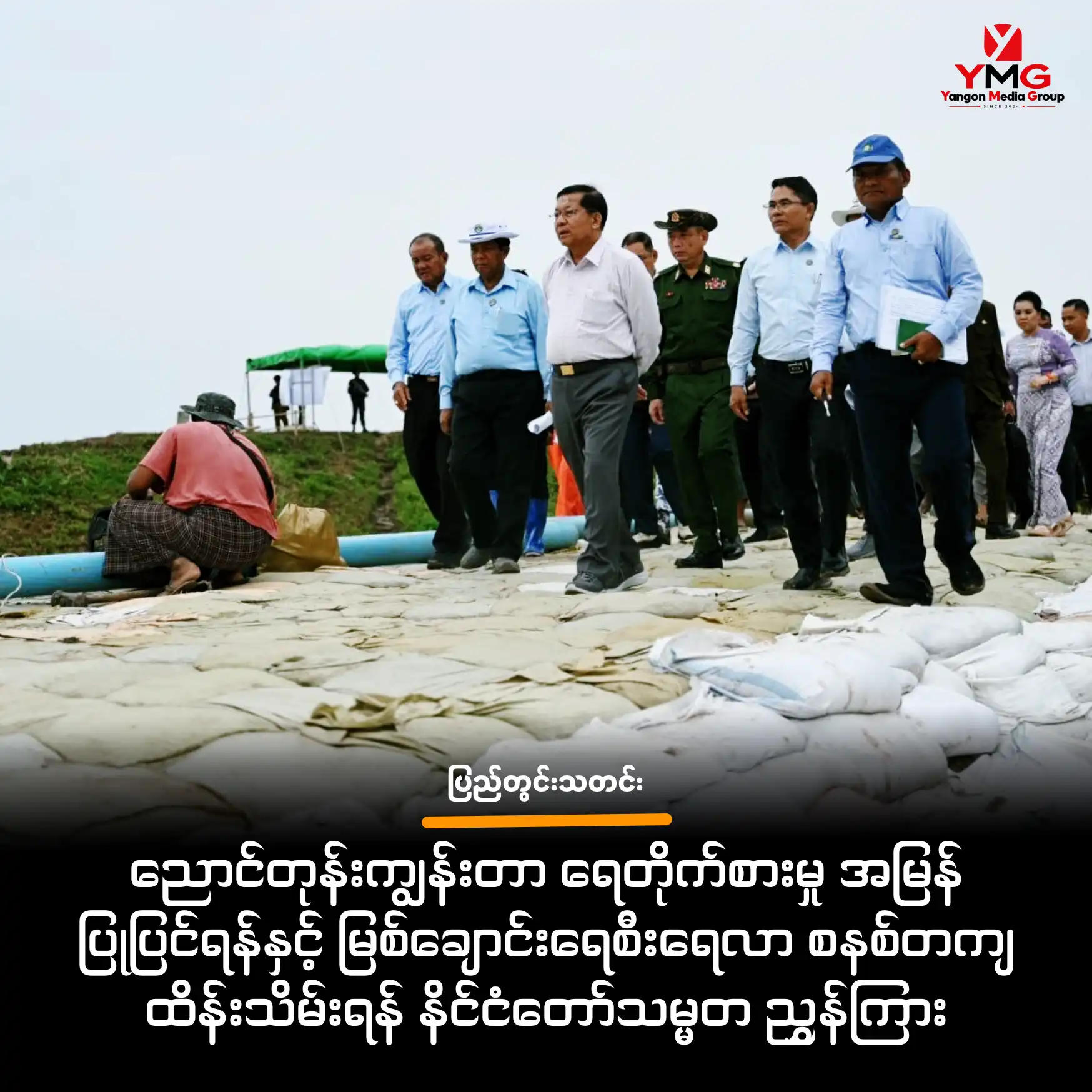
ဧရာဝတီတိုင်းဒေသကြီး ညောင်တုန်းမြို့နယ် ဂန်ချောင်းကျေးရွာအနီးရှိ ညောင်တုန်းကျွန်းတာတွင် တိုးမြစ်ရေတိုက်စားမှုကြောင့် အလျားပေ ၃၀၀၊ အနံ ၄၅ ပေခန့်ရှိ တာကိုယ်ထည် ဩဂုတ် ၂၅ ရက်မှစ၍ ရေတိုက်စားခံခဲ့ရသဖြင့် အရေးပေါ်ကာကွယ်ပြုပြင်မှုများ အမြန်ဆုံးပြီးစီးရေးနှင့် အနာဂတ်ရေမြင့်တက်မှုကို ခံနိုင်ရည်ရှိစေရန် စနစ်တကျ ပြန်လည်တည်ဆောက်ရေး ဆောင်ရွက်ရန် နိုင်ငံတော်သမ္မတ ဦးမင်းအောင်လှိုင်က ဩဂုတ် ၂၉ ရက်တွင် သွားရောက်စစ်ဆေး၍ တာဝန်ရှိသူများအား ညွှန်ကြားခဲ့သည်။
ရေတိုက်စားမှုသည် ဧရာဝတီမြစ်မှ ခွဲထွက်သည့် တိုးမြစ်၏ ရေစီးကြောင်းပြောင်းလဲမှုနှင့် မြစ်ကမ်းတိုက်စားမှုကြောင့် ညောင်တုန်းကျွန်းတာ တာမိုင် ၁၁/၆ နှင့် ၁၁/၇ ကြားတွင် ဖြစ်ပေါ်ခဲ့ခြင်းဖြစ်သည်။ လက်ရှိတွင် တာခြေ၌ တုတ်တန်းရိုက်၍ သဲအိတ်ဖြည့်ခြင်း၊ သဲအိတ်ဖြင့် တာခြေထောက်ခြင်း၊ မူလတာ၏ ဒုတိယဆင်ခြေလျှောအခြေကို သဲအိတ်ထောက်ခြင်း၊ ယာယီပန်းတာနှင့် ကမ်းရင်းတာဆင်ခြေလျှော တည်ဆောက်ခြင်းအပြင် တိုက်စားမှုကာကွယ်ရန် Geo Textile ခင်းခြင်းတို့ ဆောင်ရွက်နေသည်။
တာဝန်ရှိသူများ၏ တင်ပြချက်အရ တိုးမြစ်၏ ရေနက်စီးကြောင်းသည် မာယူ/ချောင်းဖျား၊ ချောင်းကြီး၊ ဂန်ချောင်းနှင့် ထုံးဝကျေးရွာဘက်သို့ ရွေ့လျားလာသဖြင့် နှစ်စဉ် မြစ်ကမ်းပြိုကျမှုများ ဖြစ်ပေါ်နေသည်။ ဂန်ချောင်းကျေးရွာအနီးတွင် နှစ်စဉ် ကမ်းပါးပေ ၁၅၀ မှ ၂၆၅ ပေခန့်အထိ ပြိုကျခဲ့ပြီး ၁၉၈၀ ပြည့်နှစ်မှစ၍ နှစ်ပေါင်း ၄၀ ကျော်အတွင်း စိုက်ပျိုးမြေများအပါအဝင် မြေဧရိယာ ၁,၀၀၀ ဧကကျော်ခန့် ဆုံးရှုံးခဲ့ကာ မြစ်တစ်ဖက်ကမ်း၌ မြေနုကျွန်း ၈၅၀ ဧကခန့် ပေါ်ထွန်းလာကြောင်း သိရသည်။ ဒေသရေဘေးကာကွယ်ရေးအတွက် ၂၀၀၀-၂၀၀၁ ဘဏ္ဍာနှစ်မှ ယခုဘဏ္ဍာနှစ်အထိ ပန်းတာနှင့် ဖြတ်တာ စုစုပေါင်း ၁၂ ခုခန့် တည်ဆောက်ထားသည်။
နိုင်ငံတော်သမ္မတက အလားတူ တာဘောင်ရေတိုက်စားမှုနှင့် ရေကြီးရေလျှံမှုများ လျှော့ချနိုင်ရေးအတွက် မြစ်၊ မြစ်လက်တက်နှင့် ချောင်းများ၏ ရေစီးရေလာ၊ ရေဝင်ရေထွက်နှင့် မြစ်ကြမ်းပြင်အမြင့်အနိမ့်တို့ကို စဉ်ဆက်မပြတ် သုတေသနပြုမှတ်တမ်းတင်၍ လိုအပ်သည့် မြစ်ကြောင်းပြုပြင်ထိန်းသိမ်းမှုနှင့် နုန်းဆယ်မှုများကို နှစ်စဉ်စီမံချက်ဖြင့် ဆောင်ရွက်ရန် ညွှန်ကြားခဲ့သည်။ ရေလမ်းကြောင်းပိတ်ဆို့သည့် မြေနုကျွန်းများကို စနစ်တကျတူးဖော်ရှင်းလင်းရန်နှင့် ဧရာဝတီမြစ်အပါအဝင် နိုင်ငံတစ်ဝန်း မြစ်ချောင်းများ၌ သောင်တူးဖော်ရေးလုပ်ငန်းများ ဆောင်ရွက်ရန်လည်း ပြောကြားခဲ့သည်။
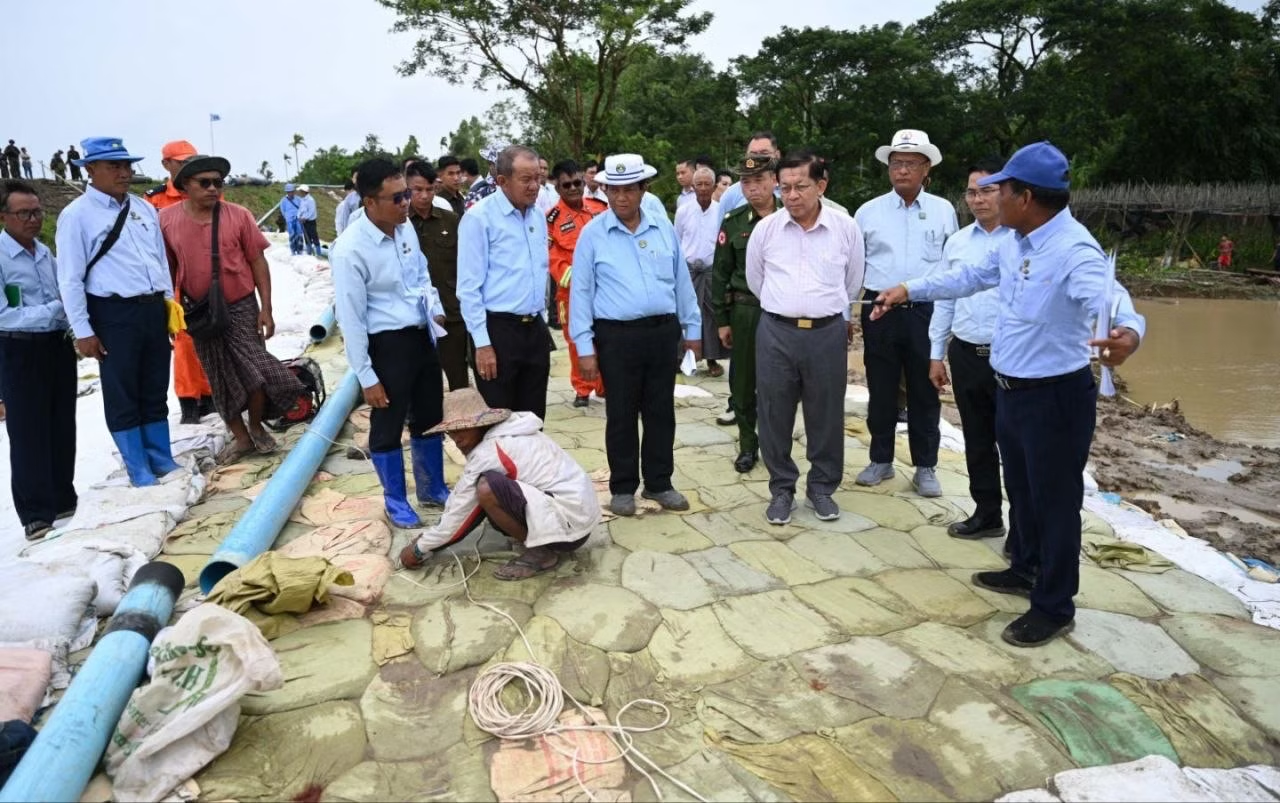
ထို့ပြင် ရာသီဥတုပြောင်းလဲမှုကြောင့် ဖြစ်ပေါ်လာနိုင်သည့် သဘာဝဘေးအန္တရာယ်များကို ထည့်သွင်းတွက်ချက်၍ ရေတိုအရေးပေါ်လုပ်ငန်းများနှင့် ရေရှည်ကာကွယ်ရေးအစီအမံများကို တွဲဖက်ဆောင်ရွက်ရန်၊ အခြားတာရိုးများရှိ ရေတိုက်စားနိုင်သည့် နေရာများကို ကြိုတင်စစ်ဆေးကာကွယ်ရန်နှင့် လေးမျက်နှာမြို့နယ်ရှိ ငဝန်တာတမံ ရေတိုက်စားမှုကာကွယ်ရေးလုပ်ငန်းအပါအဝင် လက်ရှိလုပ်ငန်းများကို ရရှိနိုင်သည့် အင်အားစုများဖြင့် အရှိန်မြှင့်ဆောင်ရွက်ရန် ညွှန်ကြားခဲ့သည်။
ရေကြီးရေလျှံမှုကြောင့် ဒေသခံများ၏ နေအိမ်၊ စိုက်ပျိုးရေးနှင့် လူမှုစီးပွားဘဝ ထိခိုက်ဆုံးရှုံးမှုများကို စနစ်တကျ စာရင်းကောက်ယူ၍ လိုအပ်သည့် ကယ်ဆယ်ထောက်ပံ့မှုများ အချိန်မီပေးနိုင်ရေး ဆောင်ရွက်ရန်လည်း တာဝန်ရှိဌာနများကို မှာကြားခဲ့သည်။ ရန်ကုန်-မအူပင်လမ်းတစ်လျှောက် ရေဆင်းမြောင်းများ ပိတ်ဆို့မှုမရှိစေရေး ရှင်းလင်းရန်နှင့် ရေကျော်သည့် လမ်းပိုင်းများကို မြှင့်တင်ရန်လည်း ညွှန်ကြားခဲ့သည်။
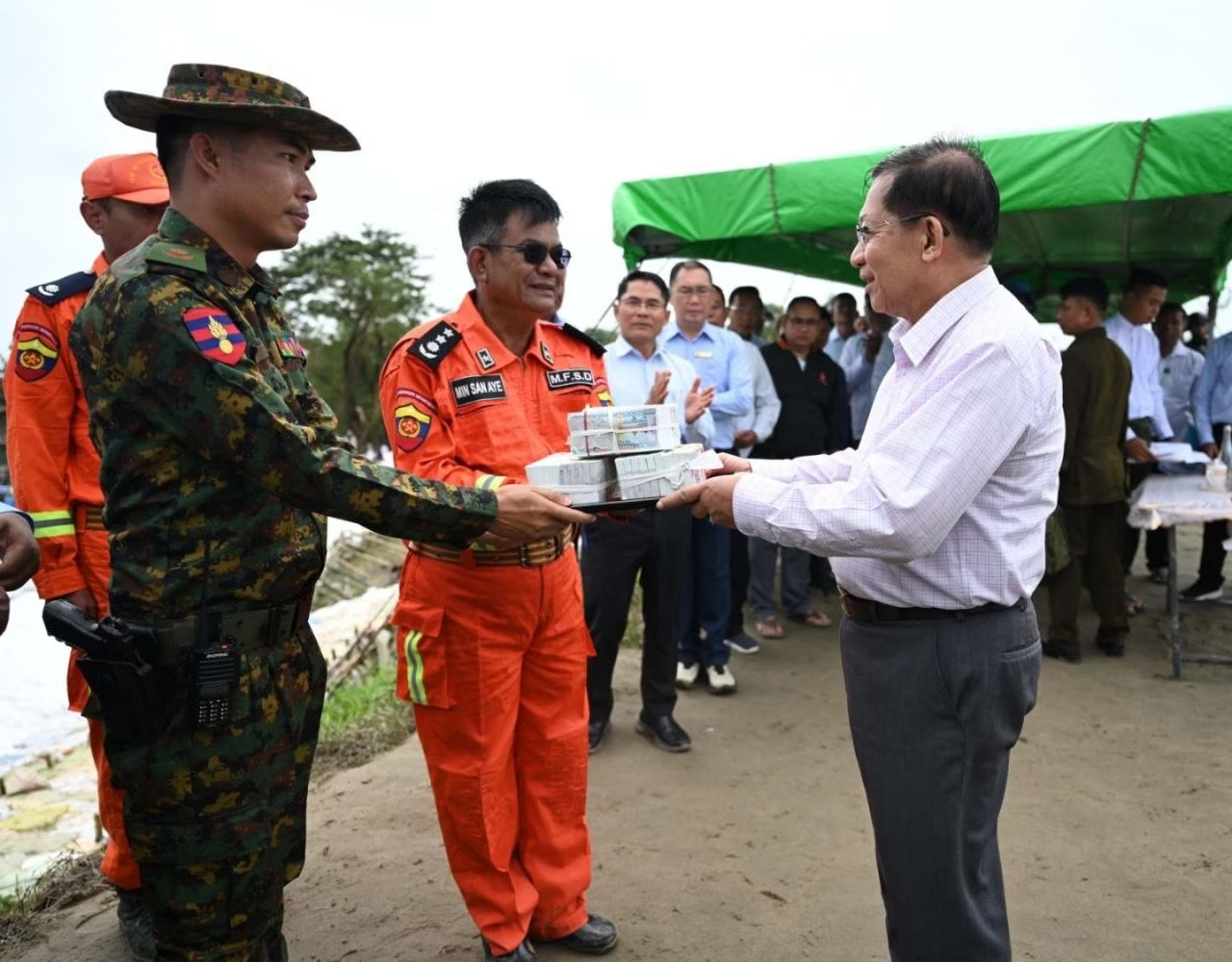
ယင်းနောက် နိုင်ငံတော်သမ္မတသည် တာဘောင်ပြုပြင်ရေးလုပ်ငန်းများကို ကြည့်ရှုစစ်ဆေးပြီး လက်ရှိရေတိုက်စားမှုကိုသာ ဖြေရှင်းခြင်းမပြုဘဲ နောင်ရေမြင့်တက်လာပါက ခံနိုင်ရည်ရှိစေရန် ထည့်သွင်းတွက်ချက်၍ ပြန်လည်တည်ဆောက်ရန်၊ လိုအပ်သည့် စက်ယန္တရား၊ လူအင်အားနှင့် ပစ္စည်းများ စုစည်းအသုံးပြုကာ အမြန်ဆုံးပြီးစီးအောင် ဆောင်ရွက်ရန် မှာကြားခဲ့သည်။ ထို့နောက် ပြုပြင်ရေးနှင့် ရေဘေးကာကွယ်ရေးလုပ်ငန်းများတွင် ပါဝင်နေသည့် တပ်မတော်သားများ၊ ရဲတပ်ဖွဲ့ဝင်များ၊ မီးသတ်တပ်ဖွဲ့ဝင်များ၊ လူမှုကယ်ဆယ်ရေးအဖွဲ့များနှင့် ဒေသခံပြည်သူများအား ဂုဏ်ပြုချီးမြှင့်ငွေများ ပေးအပ်ခဲ့ကြောင်း သိရသည်
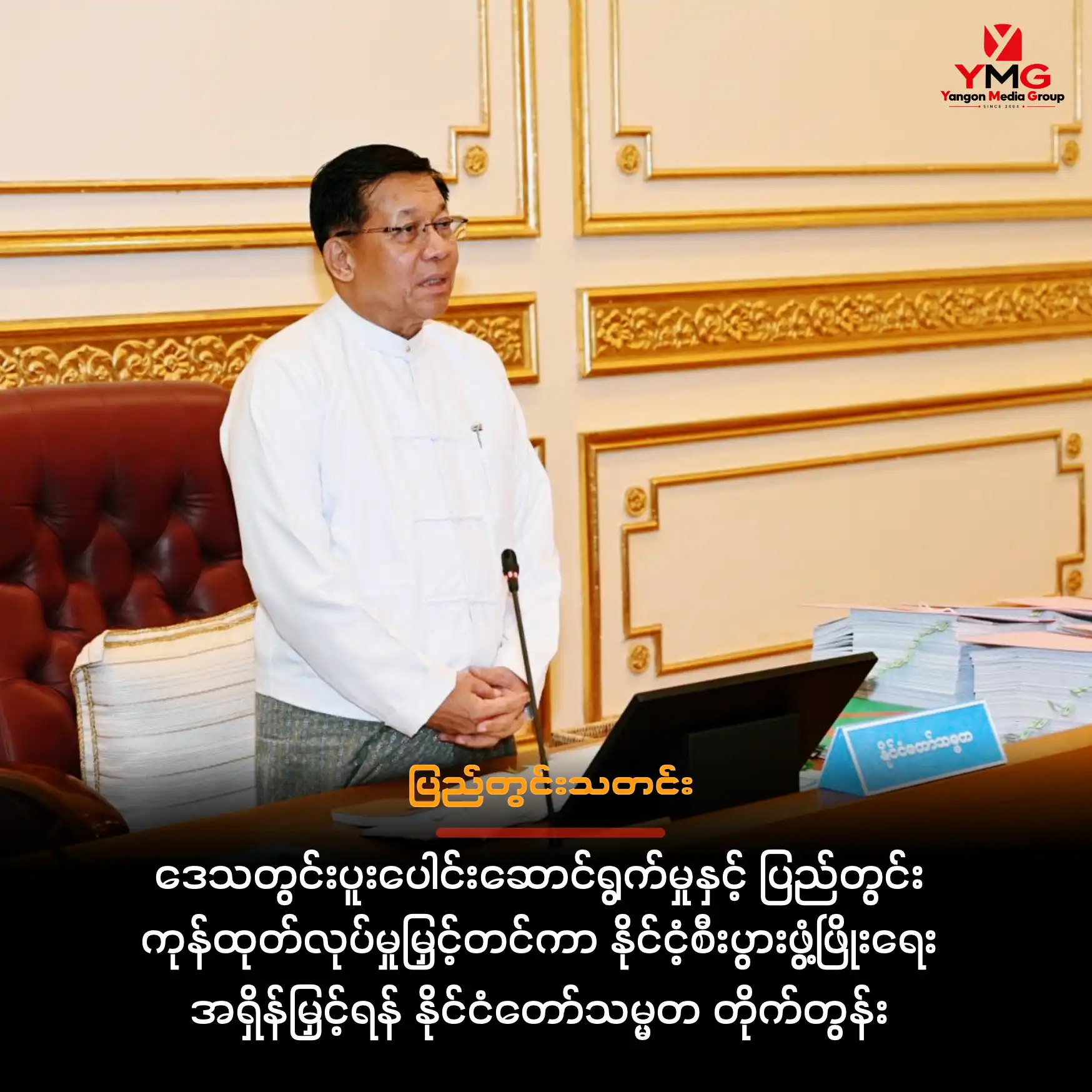
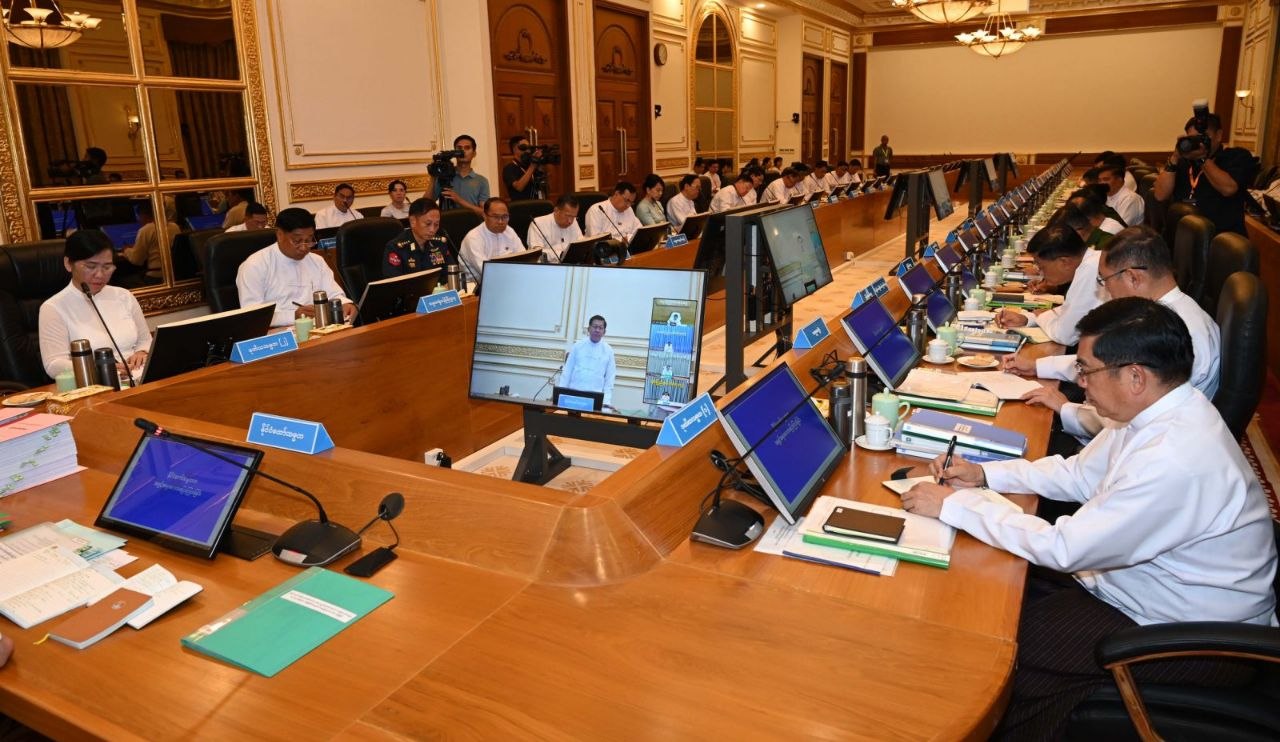
နေပြည်တော်၊ ဩဂုတ် ၂၅။ နိုင်ငံ့စီးပွားနှင့် ပြည်သူများ၏ လူမှုစီးပွားဘဝ ဖွံ့ဖြိုးတိုးတက်ရေးအတွက် ပြည်တွင်းကုန်ထုတ်လုပ်မှုနှင့် ပို့ကုန်တိုးမြှင့်ရေး၊ စိုက်ပျိုးမွေးမြူရေးအခြေခံ စက်မှုလုပ်ငန်းများ ဖွံ့ဖြိုးရေးနှင့် ဒေသတွင်းမိတ်ဖက်၊ အိမ်နီးချင်းနိုင်ငံများ၏ အားသာချက်များကို မြန်မာနိုင်ငံ၏ အားသာချက်များနှင့် ပေါင်းစပ်အသုံးချရေး အလေးထားဆောင်ရွက်ရန် နိုင်ငံတော်သမ္မတ ဦးမင်းအောင်လှိုင်က ဩဂုတ် ၂၅ ရက် နေပြည်တော်၌ ကျင်းပသည့် ပြည်ထောင်စုအစိုးရအဖွဲ့ အစည်း အဝေးတွင် ပြောကြားခဲ့သည်။
ဩဂုတ်လအတွင်း ထိုင်း၊ ရုရှားနှင့် ဘယ်လာရုစ်နိုင်ငံများသို့ သွားရောက်ခဲ့သည့် ခရီးစဉ်များမှတစ်ဆင့် နိုင်ငံအချင်းချင်း ချစ်ကြည်ရေး၊ ကုန်သွယ်ရေးနှင့် ရင်းနှီးမြှုပ်နှံမှု၊ စွမ်းအင်၊ ပညာရေး၊ သိပ္ပံနှင့်နည်းပညာ၊ ကာကွယ်ရေးနှင့် စက်မှုကဏ္ဍတို့တွင် ပူးပေါင်းဆောင်ရွက်မှုတိုးမြှင့်ရေး ဆွေးနွေးနိုင်ခဲ့ကြောင်း ၎င်းက ပြောသည်။ ထိုင်းခရီးစဉ်အတွင်း နယ်စပ်ဒေသတည်ငြိမ်ရေးနှင့် ကုန်သွယ်မှုမြှင့်တင်ရေးအပြင် ထိုင်းနိုင်ငံရောက် မြန်မာနိုင်ငံသားများနှင့် ရွှေ့ပြောင်းလုပ်သားများ၏ ဘေးကင်းလုံခြုံရေး၊ အလုပ်သမားအခွင့်အရေးနှင့် ဥပဒေအရ အကာအကွယ်ရရှိရေးကိုလည်း ထည့်သွင်းဆွေးနွေးခဲ့ကြောင်း လည်းနိုင်ငံတော်သမ္မတက ပြောသည်။
နိုင်ငံ့စီးပွားရေးဆိုင်ရာ စီမံကိန်းများရေးဆွဲရာတွင် မြေပြင်အခြေအနေနှင့် ကိန်းဂဏန်းအချက်အလက် များ မှန်ကန်မှုရှိရန် အရေးကြီးကြောင်း၊ စီးပွားရေးနှင့် နိုင်ငံရေးဆိုင်ရာ ပိတ်ဆို့မှုများကြောင့် တိုးတက်မှု နှောင့်နှေးနေသဖြင့် ပြည်ပအကူအညီနှင့် ချေးငွေများကို အဓိကအားမကိုးဘဲ ပြည်တွင်းအရင်း အမြစ်များ ဖြင့် ကုန်ထုတ်လုပ်မှုမြှင့်တင်ရန်လိုကြောင်း နိုင်ငံတော်သမ္မတက ပြောသည်။ ပြည်တွင်းကုန်ကြမ်း အခြေခံ ထုတ်လုပ်မှု၊ သွင်းကုန်အစားထိုးထုတ်ကုန်နှင့် ပြည်ပပို့ကုန် တိုးမြှင့်ရေးကို ဦးစားပေးရန်လည်း တိုက်တွန်းခဲ့သည်။
အထူးသဖြင့် ပြန်လည်ဖြည့်တင်းနိုင်သည့် စိုက်ပျိုးမွေးမြူရေးအခြေခံ ကုန်ထုတ်လုပ်ငန်းများကို တိုးချဲ့ပြီး မြန်မာ့ပေါ်ဆန်းမွှေးဆန်၏ ပြည်ပဈေးကွက် ပြန်လည်တိုးချဲ့ရေး၊ ဝါနှင့် ဝါအခြေခံစက်မှုလုပ်ငန်းများ ဖွံ့ဖြိုးရေး၊ ပြည်တွင်းစားသုံးဆီဖူလုံရေးအတွက် ဆီထွက်သီးနှံများ တိုးမြှင့်စိုက်ပျိုးရေး၊ အရည်အသွေးမြင့် ပဲနှင့် ရာဘာထုတ်လုပ်မှု တိုးမြှင့်ရေးတို့ကို သက်ဆိုင်ရာဝန်ကြီးဌာနများနှင့် တိုင်းဒေသကြီး၊ ပြည်နယ် အစိုးရများက အလေးထားဆောင်ရွက်ရန် မှာကြားခဲ့သည်။
လူသားအရင်းအမြစ် ဖွံ့ဖြိုးရေးကိုလည်း စီးပွားရေးဖွံ့ဖြိုးမှု၏ အခြေခံလိုအပ်ချက်အဖြစ် ထည့်သွင်း ပြောကြားခဲ့ပြီး အတန်းပညာမရှိသူအချိုးသည် ၁၉၇၃ ခုနှစ်တွင် ၅၈ ဒသမ ၁၈ ရာခိုင်နှုန်းရှိခဲ့ရာမှ ၂၀၂၄ ခုနှစ်တွင် ၅ ဒသမ ၆၇ ရာခိုင်နှုန်းသို့ လျော့ကျလာကြောင်း အစိုးရ၏ သန်းခေါင်စာရင်းကိန်းဂဏန်းများကို သမ္မတက ကိုးကားပြောကြားသည်။ စိုက်ပျိုးရေး၊ မွေးမြူရေးနှင့် စက်မှုဆိုင်ရာ လူသားအရင်းအမြစ်များ မွေးထုတ်နိုင်ရေးအတွက် သက်ဆိုင်ရာ အခြေခံအထက်တန်းကျောင်းများ၊ သိပ္ပံများနှင့် တက္ကသိုလ်များ မှတစ်ဆင့် ပညာရှင်များ တိုးမြှင့်မွေးထုတ်ရန်လည်း အလေးထားခဲ့သည်။
ကုန်သွယ်ရေးကဏ္ဍတွင် သွင်းကုန်၊ ပို့ကုန်များ၏ အရည်အသွေးကို စနစ်တကျကြပ်မတ်ရန်၊ ကုန်စည် စီးဆင်းမှုမြန်ဆန်ချောမွေ့စေရေး မလိုအပ်သည့် စစ်ဆေးရေးဂိတ်များ လျှော့ချရန်နှင့် နိုင်ငံတော် အခွန်ဝင်ငွေ ဆုံးရှုံးစေသည့် တရားမဝင်ကုန်သွယ်မှုများကို တားဆီးရန် တာဝန်ရှိသူများအား ညွှန်ကြားခဲ့ သည်။ အခွန်ထမ်းပြည်သူများထံမှ ရရှိသည့် ဘဏ္ဍာငွေများကိုလည်း နိုင်ငံအတွက် အမှန်တကယ် လိုအပ်သည့် ကဏ္ဍများ၌ ထိရောက်အကျိုးရှိစွာ အသုံးပြုရန် ပြောကြားခဲ့သည်။
မိုးရာသီရေကြီးရေလျှံမှုနှင့်ပတ်သက်၍ မြစ်ချောင်းများတိမ်ကောမှုနှင့် ရေနုတ်မြောင်းပိတ်ဆို့မှုများကို ဖြေရှင်းရန် မြစ်ချောင်းပြုပြင်ထိန်းသိမ်းခြင်း၊ သဲနုန်းဆယ်ယူခြင်းနှင့် ရေနုတ်မြောင်းများ သန့်ရှင်းရေး ဆောင်ရွက်ရန် ညွှန်ကြားခဲ့ပြီး အုပ်ချုပ်ရေး၊ စည်ပင်သာယာရေးအဖွဲ့များနှင့် ဒေသခံပြည်သူများ ပူးပေါင်း ဆောင်ရွက်ရန် တိုက်တွန်းခဲ့သည်။
ပညာရေးကဏ္ဍတွင် နိုင်ငံတစ်ဝန်း အခြေခံပညာကျောင်း ၅ သောင်းခန့်အနက် စံကိုက်ကျောင်း ၁၀ ရာခိုင်နှုန်းခန့်သာရှိကြောင်း ပြောကြားကာ မြေဧရိယာနှင့် အခြေခံအဆောက်အအုံ သတ်မှတ်ချက် ပြည့်မီနိုင်သည့် ကျောင်းများကို ဦးစားပေးအဆင့်အလိုက် စံကိုက်ကျောင်းများအဖြစ် အဆင့်မြှင့်တင်ရန် နှင့် ကျောင်းလုံခြုံရေး၊ သန့်ရှင်းသာယာရေး၊ အားကစားနှင့် သင်ကြားရေးပတ်ဝန်းကျင် တိုးတက်ကောင်း မွန်ရေးကို ဆောင်ရွက်ရန် မှာကြားခဲ့သည်။
အစည်းအဝေးအပြီးတွင် ပြည်ထောင်စုအစိုးရ၏ မူဝါဒများကို ပြည်ထောင်စုဝန်ကြီးဌာနများ၊ တိုင်းဒေသကြီးနှင့် ပြည်နယ်အစိုးရများက ပူးပေါင်းအကောင်အထည်ဖော်ရန် နိုင်ငံတော်သမ္မတက တိုက် တွန်းခဲ့ပြီး နိုင်ငံ့စီးပွားတိုးတက်ရေး၊ လူမှုစီးပွားဘဝမြှင့်တင်ရေးနှင့် တည်ငြိမ်အေးချမ်းရေးတို့ကို အဓိက လုပ်ငန်းစဉ်များအဖြစ် ဆောင်ရွက်ရန် ပြောကြားခဲ့သည်။

မင့်စ်၊ ဩဂုတ် ၂၁။ မြန်မာအာကာသအေဂျင်စီအတွက် ကမ္ဘာမြေကို အဝေးမှအာရုံခံစောင့်ကြည့်နိုင်သည့် အာကာသယာဉ်ငယ်တစ်စင်း တည်ဆောက်ရေး၊ ဘယ်လာရုစ် Development Bank နှင့် ချေးငွေဆိုင်ရာ မူဘောင်သဘောတူစာချုပ်တို့အပါအဝင် မြန်မာ-ဘယ်လာရုစ် နှစ်နိုင်ငံအကြား သဘောတူညီချက်နှင့် နားလည်မှုစာချွန်လွှာ ကိုးခုကို ဩဂုတ် ၂၁ ရက်က မင့်စ်မြို့၌ နှစ်နိုင်ငံသမ္မတများရှေ့မှောက်တွင် လဲလှယ်ခဲ့ကြသည်။
အဆိုပါ သဘောတူညီချက်များ လဲလှယ်မှုကို မင့်စ်မြို့ သမ္မတနန်းတော်၌ နိုင်ငံတော်သမ္မတ ဦးမင်းအောင်လှိုင်နှင့် ဘယ်လာရုစ်သမ္မတ မစ္စတာ အလက်ဇန္ဒား လူကာရှန်ကိုတို့ ဦးဆောင်သည့် နှစ်နိုင်ငံ နိုင်ငံတော်အဆင့် တွေ့ဆုံဆွေးနွေးပွဲအပြီးတွင် ပြုလုပ်ခဲ့ခြင်းဖြစ်သည်။
နှစ်နိုင်ငံသည် မြန်မာအာကာသအေဂျင်စီအတွက် ကမ္ဘာမြေကို အဝေးမှအာရုံခံစောင့်ကြည့်နိုင်သည့် အာကာသယာဉ်ငယ်တစ်စင်း တည်ဆောက်ရေးဆိုင်ရာ ရည်ရွယ်သည့်မှတ်တမ်းလွှာအပြင် မြန်မာအာကာသအေဂျင်စီနှင့် Belarusian State University တို့အကြား သိပ္ပံနှင့်နည်းပညာ ပူးပေါင်းဆောင်ရွက်ရေးစာချွန်လွှာကိုလည်း လဲလှယ်ခဲ့ကြသည်။
စီးပွားရေးနှင့် ဘဏ္ဍာရေးကဏ္ဍတွင် မြန်မာနိုင်ငံ ဘဏ္ဍာရေးနှင့် အခွန်ဝန်ကြီးဌာနနှင့် JSC “Development Bank of the Republic of Belarus” တို့အကြား ချေးငွေဆိုင်ရာ မူဘောင်သဘောတူစာချုပ်ကို လဲလှယ်ခဲ့သည်။
ထို့ပြင် တရားမနှင့် ကူးသန်းရောင်းဝယ်ရေးဆိုင်ရာ ကိစ္စရပ်များတွင် ဥပဒေရေးရာ အပြန်အလှန်အကူအညီပေးရေး သဘောတူစာချုပ်၊ ပြစ်မှုဆိုင်ရာကိစ္စရပ်များတွင် ဥပဒေပိုင်းဆိုင်ရာ အပြန်အလှန်အကူအညီပေးရေး သဘောတူညီချက်တို့လည်း ပါဝင်သည်။
နှစ်နိုင်ငံ ရွေးကောက်ပွဲကော်မရှင်များအကြား ပူးပေါင်းဆောင်ရွက်ရေး၊ မြန်မာနိုင်ငံ မဟာဗျူဟာနှင့် နိုင်ငံတကာလေ့လာရေးအဖွဲ့နှင့် The Belarusian Institute of Strategic Research (BISR) တို့အကြား ပူးပေါင်းဆောင်ရွက်ရေးနှင့် မြန်မာ့အသံနှင့်ရုပ်မြင်သံကြား (MRTV) နှင့် ဘယ်လာရုစ်နိုင်ငံပိုင် ရုပ်မြင်သံကြားနှင့် အသံလွှင့်ကုမ္ပဏီတို့အကြား ပူးပေါင်းဆောင်ရွက်ရေးဆိုင်ရာ သဘောတူညီချက်များလည်း လဲလှယ်ခဲ့ကြသည်။
ယင်းမတိုင်မီ နိုင်ငံတော်သမ္မတ ဦးမင်းအောင်လှိုင်နှင့် ဘယ်လာရုစ်သမ္မတ မစ္စတာ အလက်ဇန္ဒား လူကာရှန်ကိုတို့ ဦးဆောင်သည့် နိုင်ငံတော်အဆင့် တွေ့ဆုံဆွေးနွေးပွဲကို ဒေသစံတော်ချိန် နံနက် ၁၁ နာရီ မိနစ် ၅၀ တွင် ကျင်းပခဲ့သည်။
တွေ့ဆုံပွဲတွင် မြန်မာ-ဘယ်လာရုစ် ပူးပေါင်းဆောင်ရွက်မှုဆိုင်ရာ လမ်းပြမြေပုံ (၂၀၂၆-၂၀၂၈) ကို ဆက်လက်အကောင်အထည်ဖော်ရေးနှင့် ကုန်သွယ်ရေး၊ ရင်းနှီးမြှုပ်နှံမှု၊ မွေးမြူရေး၊ စက်မှုနှင့် ဘဏ္ဍာရေးကဏ္ဍများတွင် ပူးပေါင်းဆောင်ရွက်မှု တိုးမြှင့်ရေးတို့ကို ဆွေးနွေးခဲ့ကြသည်။
ထို့အတူ ကာကွယ်ရေးနှင့် လုံခြုံရေး၊ အာကာသနည်းပညာ၊ ပညာရေးနှင့် လူငယ်၊ ကျန်းမာရေး၊ သိပ္ပံနှင့်နည်းပညာ၊ ယဉ်ကျေးမှုနှင့် ခရီးသွားလုပ်ငန်းကဏ္ဍများတွင် ပူးပေါင်းဆောင်ရွက်မှု ပိုမိုမြှင့်တင်ရေးကိုလည်း နှစ်ဖက်အမြင်ချင်း ဖလှယ်ခဲ့ကြသည်။
သဘောတူညီချက်များ လဲလှယ်ပြီးနောက် နိုင်ငံတော်သမ္မတ ဦးမင်းအောင်လှိုင်နှင့် ဘယ်လာရုစ်သမ္မတ မစ္စတာ အလက်ဇန္ဒား လူကာရှန်ကိုတို့က နှစ်နိုင်ငံ ပူးတွဲကြေညာချက်များကို မီဒီယာများသို့ ပြောကြားခဲ့ကြသည်။
ထို့နောက် ဘယ်လာရုစ်သမ္မတက နိုင်ငံတော်သမ္မတ ဦးမင်းအောင်လှိုင်နှင့် မြန်မာကိုယ်စားလှယ်အဖွဲ့အား အလုပ်သဘောနေ့လယ်စာဖြင့် တည်ခင်းဧည့်ခံခဲ့ကြောင်း သိရသည်။

မင်စ်ခ်၊ ဩဂုတ် ၂၁။ ဘယ်လာရုစ်၏ စိုက်ပျိုးမွေးမြူရေးနည်းပညာနှင့် အတွေ့အကြုံများကို မြန်မာနိုင်ငံသို့ မျှဝေပေးသွားမည်ဖြစ်ပြီး စီးပွားရေး၊ ကုန်သွယ်ရေး၊ နည်းပညာ၊ ကာကွယ်ရေး၊ လုံခြုံရေးနှင့် အာကာသနည်းပညာအပါအဝင် ကဏ္ဍစုံပူးပေါင်းဆောင်ရွက်မှု တိုးမြှင့်ရေးကို နိုင်ငံတော်သမ္မတ ဦးမင်းအောင်လှိုင်နှင့် ဘယ်လာရုစ်သမ္မတ မစ္စတာ အလက်ဇန္ဒား လူကာရှန်ကိုတို့ ဩဂုတ် ၂၁ ရက်က မင်စ်ခ်မြို့ သမ္မတနန်းတော်၌ တွေ့ဆုံဆွေးနွေးခဲ့ကြသည်။
ဘယ်လာရုစ်သမ္မတ၏ ဖိတ်ကြားချက်အရ တရားဝင်ခရီးစဉ်ရောက်ရှိနေသည့် နိုင်ငံတော်သမ္မတ ဦးမင်းအောင်လှိုင်ကို ဒေသစံတော်ချိန် နံနက် ၁၁ နာရီတွင် သမ္မတနန်းတော်၌ ဂုဏ်ပြုတပ်ဖွဲ့ဖြင့် ကြိုဆိုခဲ့ပြီးနောက် သမ္မတနှစ်ဦး သီးသန့်တွေ့ဆုံဆွေးနွေးခဲ့ကြသည်။
ဘယ်လာရုစ်သမ္မတ မစ္စတာ အလက်ဇန္ဒား လူကာရှန်ကိုက မြန်မာနိုင်ငံနှင့် ပတ်သက်၍ လက်တွေ့အကောင်အထည်ဖော်နေသည့် လုပ်ငန်းများကို ပိုမိုကူညီပေးသွားမည်ဖြစ်ပြီး မြန်မာပြည်သူများ၏ လူမှုစီးပွားဘဝအတွက် လိုအပ်ချက်များရှိပါက တတ်နိုင်သမျှ ကူညီဆောင်ရွက်ရန် အသင့်ရှိကြောင်း ပြောကြားခဲ့သည်။ အထူးသဖြင့် ဘယ်လာရုစ်၏ စိုက်ပျိုးမွေးမြူရေးနည်းပညာနှင့် အတွေ့အကြုံများကို မြန်မာနိုင်ငံအတွက် မျှဝေပေးသွားမည်ဟု ဆိုသည်။
နိုင်ငံတော်သမ္မတ ဦးမင်းအောင်လှိုင်က ယခုခရီးစဉ်သည် ဘယ်လာရုစ်နိုင်ငံသို့ စတုတ္ထအကြိမ်မြောက် လာရောက်ခြင်းဖြစ်ပြီး အစိုးရတာဝန်ရှိသူများနှင့်အတူ စီးပွားရေးလုပ်ငန်းရှင်များလည်း ပါဝင်ကြောင်း ပြောကြားခဲ့သည်။ ခရီးစဉ်၏ အဓိကရည်ရွယ်ချက်မှာ နှစ်နိုင်ငံ စီးပွားရေးနှင့် ကုန်သွယ်ရေးအပါအဝင် ကဏ္ဍစုံပူးပေါင်းဆောင်ရွက်မှုကို ပိုမိုမြှင့်တင်ရန်ဖြစ်ကြောင်း ဆိုသည်။
ဘယ်လာရုစ်ဘက်က မြန်မာနိုင်ငံနှင့် စီးပွားရေး၊ နည်းပညာနှင့် အခြားနယ်ပယ်များတွင် ပူးပေါင်းဆောင်ရွက်ရေးအတွက် ကန့်သတ်ချက်မထားရှိကြောင်း ယခင်က ပြောကြားထားသဖြင့် မြန်မာနိုင်ငံဖွံ့ဖြိုးတိုးတက်ရေးအတွက် ဘယ်လာရုစ်နှင့် ပူးပေါင်းဆောင်ရွက်မှု အခွင့်အလမ်းများ ရရှိမည်ဟု ယုံကြည်ကြောင်း နိုင်ငံတော်သမ္မတ ဦးမင်းအောင်လှိုင်က ပြောကြားခဲ့သည်။

နှစ်နိုင်ငံခေါင်းဆောင်များသည် စီးပွားရေးနှင့် နည်းပညာကဏ္ဍများအပြင် ကာကွယ်ရေးနှင့် လုံခြုံရေး၊ အာကာသနည်းပညာတို့တွင် လက်ရှိပူးပေါင်းဆောင်ရွက်နေမှုနှင့် ဆက်လက်တိုးမြှင့်မည့် အခြေအနေများကို ဆွေးနွေးခဲ့ကြသည်။ မြန်မာကောင်စစ်ဝန်ချုပ်ရုံးကို သံရုံးအဖြစ် အဆင့်မြှင့်တင်ဖွင့်လှစ်နိုင်ခဲ့မှုအပါအဝင် နှစ်နိုင်ငံ သံတမန်ဆက်ဆံရေး တိုးမြှင့်ရေးကိုလည်း ထည့်သွင်းဆွေးနွေးခဲ့သည်။
ထို့ပြင် မြန်မာနိုင်ငံ၏ နိုင်ငံရေးဖြစ်ပေါ်တိုးတက်မှု၊ နိုင်ငံဖွံ့ဖြိုးတိုးတက်ရေးနှင့် ပြည်တွင်းငြိမ်းချမ်းရေး ကြိုးပမ်းဆောင်ရွက်မှု၊ ဒေသတွင်းနှင့် နိုင်ငံတကာ ပူးပေါင်းဆောင်ရွက်မှု တိုးမြှင့်ရေးတို့ကိုလည်း ခေါင်းဆောင်နှစ်ဦး အမြင်ချင်းဖလှယ်ခဲ့ကြသည်။
ဘယ်လာရုစ်သမ္မတက ယခင်ဆွေးနွေးထားသည့် ကိစ္စရပ်များကို ဆက်လက်အကောင် အထည်ဖော်သွားမည်ဖြစ်ကြောင်းနှင့် မြန်မာနိုင်ငံအတွက် လိုအပ်သည့် ကူညီပံ့ပိုးမှုများ ဆောင်ရွက်ရန် အသင့်ရှိကြောင်း ပြောကြားခဲ့သည်။
နိုင်ငံတော်သမ္မတ ဦးမင်းအောင်လှိုင်နှင့် ဘယ်လာရုစ်သမ္မတ မစ္စတာ အလက်ဇန္ဒား လူကာရှန်ကိုတို့သည် ဩဂုတ် ၂၀ ရက် ညနေပိုင်းကလည်း ဘယ်လာရုစ်သမ္မတအိမ်တော်၌ အလွတ်သဘောတွေ့ဆုံ၍ နှစ်နိုင်ငံ ပူးပေါင်းဆောင်ရွက်ရေးကိစ္စရပ်များကို ဆွေးနွေးခဲ့ကြောင်း သိရသည်။


ဂရိုဒ်နို၊ ဩဂုတ် ၂၀။ မြန်မာနိုင်ငံသို့ ဓာတ်မြေဩဇာများ တင်ပို့နိုင်ရေး ညှိနှိုင်းဆောင်ရွက်နေသည့် ဘီလာရုစ်နိုင်ငံ၏ အဓိက နိုက်ထရိုဂျင်အခြေခံ ဓာတ်မြေဩဇာထုတ်လုပ်ရေးလုပ်ငန်း Grodno Azot စက်ရုံသို့ နိုင်ငံတော်သမ္မတ ဦးမင်းအောင်လှိုင်နှင့် အဖွဲ့သည် ဩဂုတ် ၂၀ ရက်က သွားရောက်လေ့လာခဲ့ပြီး ဓာတ်မြေဩဇာထုတ်လုပ်မှု၊ ပြည်ပတင်ပို့မှုနှင့် မြန်မာနိုင်ငံသို့ တင်ပို့နိုင်မည့် အခြေအနေများကို ဆွေးနွေးခဲ့သည်။
ဘီလာရုစ်နိုင်ငံ မင်စ်ခ်မြို့၌ တရားဝင်ခရီးစဉ်ရောက်ရှိနေသည့် နိုင်ငံတော်သမ္မတ ဦးမင်းအောင်လှိုင်နှင့် အဖွဲ့သည် ဒေသစံတော်ချိန် မွန်းတည့် ၁၂ နာရီတွင် မင်စ်ခ်မြို့မှ Grodno မြို့သို့ ရဟတ်ယာဉ်များဖြင့် သွားရောက်ခဲ့ပြီး လမ်းတစ်လျှောက် ဘီလာရုစ်နိုင်ငံ၏ စိုက်ပျိုးရေးလုပ်ငန်း၊ လမ်းပန်းဆက်သွယ်ရေးနှင့် ဒေသဖွံ့ဖြိုးတိုးတက်မှု အခြေအနေများကို ကြည့်ရှုလေ့လာခဲ့သည်။
Grodno မြို့လေဆိပ်သို့ ရောက်ရှိချိန်တွင် ပြည်နယ်အုပ်ချုပ်ရေးမှူး Mr. Yuri Khadzhimuratovich နှင့် တာဝန်ရှိသူများက ကြိုဆိုခဲ့ကြပြီး ယင်းနောက် Grodno Azot ဓာတ်မြေဩဇာစက်ရုံသို့ ဆက်လက်သွားရောက်ခဲ့သည်။
စက်ရုံတာဝန်ရှိသူများက Grodno Azot ၏ သမိုင်းကြောင်း၊ ထုတ်လုပ်မှုလုပ်ငန်းစဉ်၊ နှစ်အလိုက် ဓာတ်မြေဩဇာထုတ်လုပ်နိုင်မှုနှင့် ကျွမ်းကျင်မှုသင်တန်းများ ပို့ချပေးနေမှုတို့ကို ရှင်းလင်းတင်ပြခဲ့သည်။ စက်ရုံသည် ဘီလာရုစ်နိုင်ငံ၏ ပြည်တွင်းစိုက်ပျိုးရေးနှင့် စားနပ်ရိက္ခာဖူလုံရေးအတွက် လိုအပ်သည့် ဓာတ်မြေဩဇာများ ထုတ်လုပ်ပေးနေသကဲ့သို့ ပြည်ပဈေးကွက်များသို့လည်း တင်ပို့နေကြောင်း သိရသည်။

ထို့ပြင် နိုက်ထရိုဂျင်နှင့် ဆက်စပ်ဓာတုပစ္စည်းများ ထုတ်လုပ်ဖြန့်ဖြူးနေမှုအပြင် မြန်မာနိုင်ငံသို့ ဓာတ်မြေဩဇာများ တင်ပို့နိုင်ရေး ညှိနှိုင်းဆောင်ရွက်နေသည့် အခြေအနေ ကိုလည်း စက်ရုံတာဝန်ရှိသူများက ရှင်းလင်းတင်ပြခဲ့ပြီး နိုင်ငံတော်သမ္မတ ဦးမင်းအောင်လှိုင်က သိရှိလိုသည်များ မေးမြန်းဆွေးနွေးခဲ့သည်။
ယင်းနောက် နိုင်ငံတော်သမ္မတ ဦးမင်းအောင်လှိုင်သည် စက်ရုံဧည့်သည်တော်မှတ်တမ်းစာအုပ်တွင် လက်မှတ်ရေးထိုးခဲ့ပြီး စက်ရုံပုံစံငယ်နှင့် ထုတ်လုပ်ရေးဆိုင်ရာ ပြခန်းများကို ကြည့်ရှုခဲ့သည်။ ဆက်လက်၍ စက်ရုံအတွင်း မော်တော်ယာဉ်များဖြင့် လှည့်လည်ကာ ထုတ်လုပ်ရေးလုပ်ငန်းများကို ကြည့်ရှုလေ့လာပြီး တာဝန်ရှိသူများနှင့် ဆွေးနွေးခဲ့သည်။
Grodno Azot စက်ရုံသည် ဘီလာရုစ်နိုင်ငံ Grodno မြို့တွင် တည်ရှိပြီး ၁၉၆၃ ခုနှစ်မှ စတင်လည်ပတ်ခဲ့သည့် နိုင်ငံပိုင် ဓာတ်မြေဩဇာနှင့် ဓာတုပစ္စည်းထုတ်လုပ်ရေးလုပ်ငန်းဖြစ်သည်။ အမိုးနီးယား (Ammonia)၊ ယူရီးယား (Urea) နှင့် နိုက်ထရိုဂျင်အခြေခံ ဓာတ်မြေဩဇာအမျိုးမျိုးကို အဓိကထုတ်လုပ်ကာ ဘီလာရုစ်၏ ပြည်တွင်းစိုက်ပျိုးရေးကဏ္ဍသို့ ဖြည့်ဆည်းပေးနေသည့်အပြင် ပြည်ပနိုင်ငံများသို့လည်း တင်ပို့လျက်ရှိကြောင်း သိရသည်။

ဩဂုတ်၂၀၊၂၀၂၆ (မင့်စ်)
မြန်မာနိုင်ငံ၏ စိုက်ပျိုးမွေးမြူရေး၊ စက်မှုကုန်ထုတ်လုပ်ရေး၊ စွမ်းအင်၊ အခြေခံ အဆောက်အအုံ၊ ဒီဂျစ်တယ်နည်းပညာနှင့် AI အပါအဝင် စီးပွားရေးကဏ္ဍများတွင် ဘီလာရုစ် လုပ်ငန်းရှင်များ ရင်းနှီးမြှုပ်နှံရန် နိုင်ငံတော်သမ္မတ ဦးမင်းအောင်လှိုင်က ဖိတ်ခေါ်လိုက်ပြီး နှစ်နိုင်ငံ ကုန်သွယ်ရေးနှင့် ရင်းနှီးမြှုပ်နှံမှုကို မဟာဗျူဟာမြောက် တိုးချဲ့ရန် ဩဂုတ် ၂၀ ရက်က ဘီလာရုစ်နိုင်ငံ မင့်စ်မြို့၌ ကျင်းပသည့် မြန်မာ-ဘီလာရုစ် စီးပွားရေးဖိုရမ်တွင် တိုက်တွန်းခဲ့သည်။
President ဟိုတယ်၌ ကျင်းပသည့် ဖိုရမ်သို့ နိုင်ငံတော်သမ္မတ ဦးမင်းအောင်လှိုင်၊ ဘီလာရုစ်ဝန်ကြီးချုပ် Alexander Turchin၊ နှစ်နိုင်ငံအစိုးရတာဝန်ရှိသူများနှင့် စီးပွားရေးလုပ်ငန်းရှင်များ တက်ရောက်ခဲ့ကြပြီး B2B ပူးပေါင်းဆောင်ရွက်မှု၊ ပူးတွဲစီးပွားရေးစီမံကိန်းများ ဖော်ဆောင်ရေး၊ ရင်းနှီးမြှုပ်နှံမှု အခွင့်အလမ်း များ မျှဝေရေးနှင့် ကုန်သွယ်ရေးအတားအဆီးများ ဖြေရှင်းရေးတို့ကို ဆွေးနွေးခဲ့ကြသည်။
ဘီလာရုစ်ဝန်ကြီးချုပ် Alexander Turchin က စက်မှုကုန်ထုတ်လုပ်ရေး၊ အထည်အလိပ်နှင့် လူသုံးကုန်၊ စိုက်ပျိုးရေးနှင့် အစားအသောက်၊ ကျန်းမာရေးနှင့် ဆေးဝါးထုတ်လုပ်ရေး၊ အဆင့်မြင့်နည်းပညာနှင့် လူ့စွမ်းအားအရင်းအမြစ်ကဏ္ဍများတွင် နှစ်နိုင်ငံပူးပေါင်းဆောင်ရွက်မှု တိုးမြှင့်ရန် ရည်ရွယ်ထားကြောင်း ပြောကြားခဲ့သည်။
နိုင်ငံတော်သမ္မတ ဦးမင်းအောင်လှိုင်ကလည်း လက်ရှိကမ္ဘာ့စီးပွားရေး အပြောင်းအလဲများကြားတွင် အပြန်အလှန်အကျိုးရှိသည့် မဟာဗျူဟာမြောက် စီးပွားရေးပူးပေါင်းဆောင်ရွက်မှုများ လိုအပ်ကြောင်း ပြောကြားပြီး နှစ်နိုင်ငံစီးပွားရေးလုပ်ငန်းရှင်များအကြား တိုက်ရိုက်ချိတ်ဆက်မှု၊ ပူးတွဲစီမံကိန်းနှင့် ရင်းနှီး မြှုပ်နှံမှုများ တိုးမြှင့်ရန် တိုက်တွန်းခဲ့သည်။
မြန်မာနှင့် ဘီလာရုစ်တို့သည် ၁၉၉၉ ခုနှစ်တွင် သံတမန်ဆက်ဆံရေး စတင်ထူထောင်ခဲ့ပြီး ၂၀၁၁ ခုနှစ်တွင် ကုန်သွယ်ရေးနှင့် စီးပွားရေးပူးပေါင်းဆောင်ရွက်မှု သဘောတူစာချုပ် လက်မှတ်ရေး ထိုးခဲ့ သည်။ ထို့ပြင် ရင်းနှီးမြှုပ်နှံမှု၊ သိပ္ပံနှင့်နည်းပညာ၊ အကောက်ခွန်နှင့် ဘဏ္ဍာရေးဆိုင်ရာ ပူးပေါင်း ဆောင်ရွက်မှု သဘောတူညီချက်များ ချမှတ်ထားပြီး ၂၀၂၆-၂၀၂၈ နှစ်နိုင်ငံပူးပေါင်းဆောင်ရွက်မှု လမ်းပြ မြေပုံတွင် ကုန်သွယ်ရေး၊ စိုက်ပျိုးရေး၊ ကျန်းမာရေး၊ ဘဏ်လုပ်ငန်း၊ ပညာရေးနှင့် ခရီးသွားလုပ်ငန်းတို့ကို ထည့်သွင်းထားသည်။

မြန်မာနိုင်ငံသည် တရုတ်နှင့် အိန္ဒိယတို့အကြား တည်ရှိပြီး အရှေ့တောင်အာရှနှင့် တောင်အာရှ ဈေးကွက်များကို ချိတ်ဆက်နိုင်သည့် ပထဝီဝင်အနေအထားရှိကြောင်း နိုင်ငံတော်သမ္မတ ဦးမင်းအောင် လှိုင်က ပြောကြားခဲ့သည်။ စိုက်ပျိုးမွေးမြူရေးအခြေခံ စက်မှုနိုင်ငံအဖြစ် ဖော်ဆောင်ရာတွင် ဘီလာရုစ်၏ စိုက်ပျိုးရေးနည်းပညာ၊ ဓာတ်မြေဩဇာနှင့် လယ်ယာသုံးစက်ကိရိယာများကို အသုံးချ၍ Farming မှ Food Processing အထိ နည်းပညာနှင့် ရင်းနှီးမြှုပ်နှံမှု ပူးပေါင်းဆောင်ရွက်ရန် ဖိတ်ခေါ်ခဲ့ သည်။
ထို့အပြင် လယ်ယာသုံးစက်ယန္တရားများကို တင်သွင်းရောင်းချရုံသာမက မြန်မာနိုင်ငံ၌ ပူးတွဲထုတ်လုပ် ရန်၊ လူသုံးကုန်နှင့် ဆေးဝါးထုတ်လုပ်ရေး၊ သယ်ယူပို့ဆောင်ရေးနှင့် ထောက်ပံ့ပို့ဆောင်ရေး အခြေခံအဆောက်အအုံများတွင်လည်း ရင်းနှီးမြှုပ်နှံရန် ဖိတ်ခေါ်ခဲ့သည်။
စွမ်းအင်ကဏ္ဍတွင် ရေအားလျှပ်စစ်၊ နေရောင်ခြည်၊ လေစွမ်းအင်နှင့် ဇီဝစွမ်းအင် စီမံကိန်းများ၌ ပုဂ္ဂလိက ရင်းနှီးမြှုပ်နှံမှုများ ဝင်ရောက်ရန် ဖိတ်ခေါ်ခဲ့သကဲ့သို့ အစိုးရဝန်ဆောင်မှု ဒီဂျစ်တယ်အသွင်ကူးပြောင်း ရေး၊ ဆက်သွယ်ရေးနည်းပညာ၊ AI၊ ဒီဂျစ်တယ်ငွေပေးချေမှုနှင့် ဆန်းသစ်တီထွင်မှုဆိုင်ရာ လုပ်ငန်းများ တွင်လည်း ဘီလာရုစ်လုပ်ငန်းရှင်များ ပူးပေါင်းရန် တိုက်တွန်းခဲ့သည်။
ရင်းနှီးမြှုပ်နှံမှုနေရာများအဖြစ် သီလဝါ၊ ထားဝယ်နှင့် ကျောက်ဖြူ အထူးစီးပွားရေးဇုန်များကို ဖော်ပြခဲ့ပြီး သီလဝါအထူးစီးပွားရေးဇုန်သည် အခြေခံအဆောက်အအုံနှင့် သယ်ယူပို့ဆောင်ရေး ချိတ်ဆက်မှု အားသာ ချက်ရှိကြောင်း ဆိုသည်။ ထားဝယ်ဒေသတွင်လည်း အကြီးစားစက်မှုလုပ်ငန်း၊ စက်ပစ္စည်းနှင့် ကုန်တင် ယာဉ်ထုတ်လုပ်ရေးအပြင် တနင်္သာရီတိုင်းအတွင်း သတ္တုတူးဖော်ရေးနှင့် ခရီးသွားလုပ်ငန်းများ၌ ရင်းနှီး မြှုပ်နှံရန် ဖိတ်ခေါ်ခဲ့သည်။
မြန်မာနိုင်ငံသည် အာဆီယံအဖွဲ့ဝင်ဖြစ်ပြီး ဘီလာရုစ်သည် Eurasian Economic Union (EAEU) အဖွဲ့ဝင်ဖြစ်သဖြင့် နှစ်နိုင်ငံပူးပေါင်းဆောင်ရွက်မှုမှတစ်ဆင့် အာဆီယံ၊ အာရှနှင့် EAEU ဈေးကွက်များကို အပြန်အလှန်ချိတ်ဆက်နိုင်မည်ဟု နိုင်ငံတော်သမ္မတ ဦးမင်းအောင်လှိုင်က ပြောကြားခဲ့သည်။
ဘီလာရုစ်၏ စက်မှုနှင့်နည်းပညာစွမ်းရည်ကို မြန်မာနိုင်ငံ၏ သဘာဝနှင့် လူ့စွမ်းအားအရင်းအမြစ်များနှင့် ပေါင်းစပ်ကာ ရေရှည်အကျိုးရှိသည့် ပူးတွဲစီးပွားရေးစီမံကိန်းများ ဖော်ဆောင်ရန် တိုက်တွန်းခဲ့ပြီး ဘီလာရုစ်လုပ်ငန်းရှင်များ၏ ရင်းနှီးမြှုပ်နှံမှုနှင့် လုပ်ငန်းလည်ပတ်မှုများအတွက် လိုအပ်သည့် ပံ့ပိုးမှုများ ဆောင်ရွက်ပေးမည်ဟု ဆိုသည်။
ဖိုရမ်အပြီးတွင် နိုင်ငံတော်သမ္မတ ဦးမင်းအောင်လှိုင်နှင့် အဖွဲ့ဝင်များသည် ခင်းကျင်းပြသထားသည့် မြန်မာနိုင်ငံထုတ် ကုန်ပစ္စည်းပြခန်းများကို လှည့်လည်ကြည့်ရှုခဲ့ကြောင်း သိရသည်။

YANGON, July 28, 2026 — Myanmar President Min Aung Hlaing stated that Myanmar consistently welcomes investments from Japanese entrepreneurs and will provide all possible support to facilitate their businesses.
The President made the remarks during his keynote address at the Myanmar-Japan Business Forum held at the Myanmar Convention Centre (MCC) in Yangon.
He extended a warm invitation to Japanese investors, encouraging them to confidently participate and invest in Myanmar’s long-term sustainable development.
The President further assured the Japanese delegation that the Myanmar government is continuously striving to create a clearer, more robust, and transparent business environment. Efforts are also underway to streamline procedures and implement supportive policy frameworks.
The Myanmar-Japan Business Forum was jointly organized by the Ministry of Foreign Affairs of Myanmar, the Myanmar-Japan Social and Economic Development Cooperation Association, and Japan’s Ingo Peace. According to Dr. Daw Khine Khine Soe, spokesperson for the President's Office, the forum was attended by 94 Japanese business executives and over 300 Myanmar entrepreneurs.

Mr. Nakazawa Hiroyuki, Chairman of Ingo Peace, expressed his delight as a Japanese citizen for the opportunity to discuss future bilateral cooperation under the framework of the Myanmar-Japan partnership.
Bilateral trade between Myanmar and Japan reached $1,334.795 million in the 2023–2024 fiscal year, $1,194.394 million in 2024–2025, and $1,343.665 million in 2025–2026. Myanmar's primary exports to Japan include garments, footwear, pulses, pearls, and electrical products.
Furthermore, Japan plays a leading role in the successful Thilawa Special Economic Zone near Yangon, accounting for 29.92% of the total investment with over 50 Japanese companies operating in the zone.
-end-
Page 1 of 81