
By Devendra Sharma
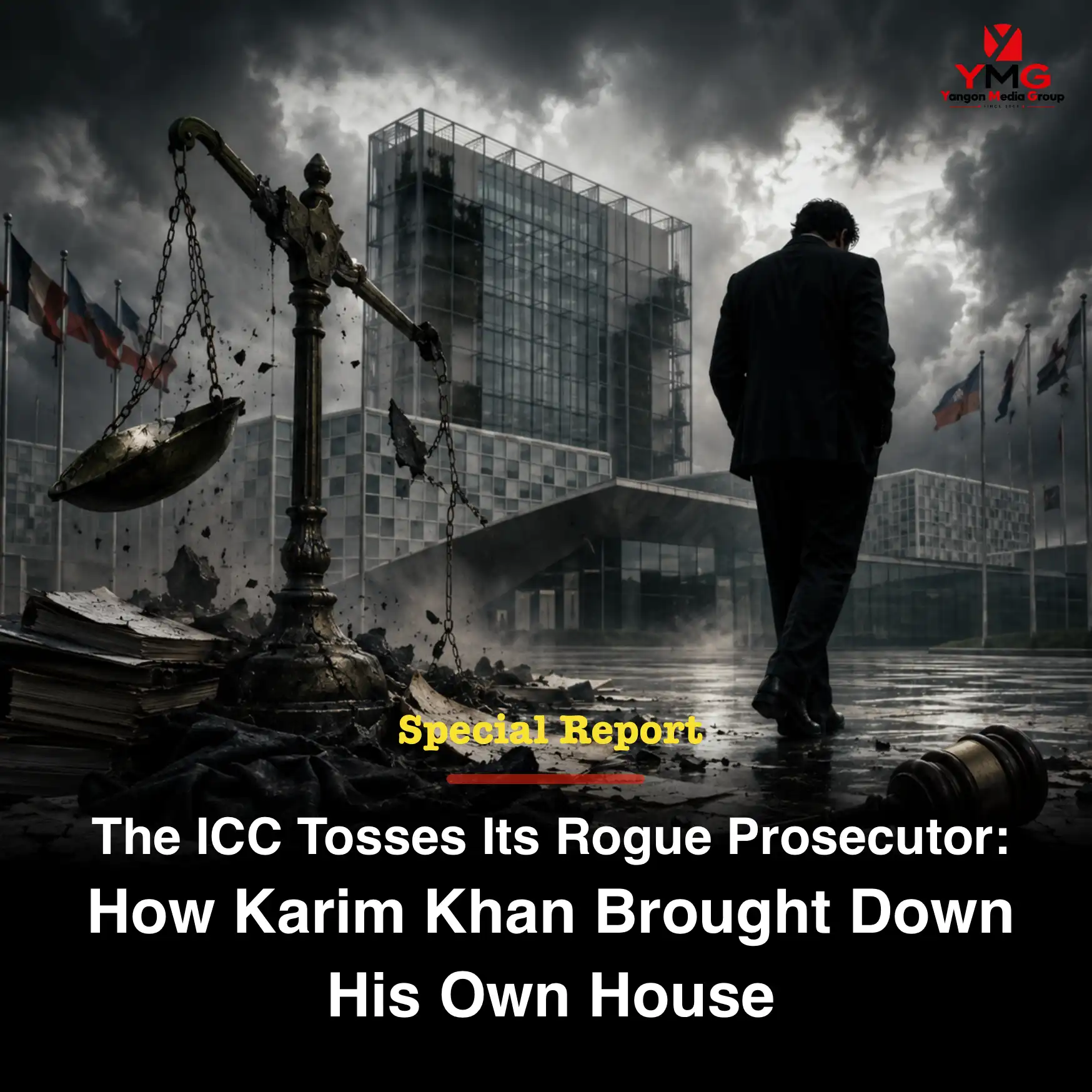
After more than two years of burying serious accusations and dithering over mounting internal complaints, the International Criminal Court (ICC) has finally fired its chief prosecutor, Karim Khan. In a decisive vote, 82 of the ICC’s 125 member states moved to remove Khan after the court's governing body found that he had committed "serious misconduct and serious breach of duty" related to sexual assault and retaliation allegations. While Khan vehemently denies the charges, the downfall of this rogue prosecutor marks a devastating indictment not only of one man’s desperate self-preservation tactics, but of an international tribunal that allowed justice to be subverted.
A Pattern of Misconduct and Pressure
The scandal began far from the public stage. The allegations against Khan span a period between April 2023 and April 2024, involving a respected female lawyer in her 30s who worked directly under him at the ICC. According to internal documents and investigative reports, the claims detailed a pattern of coercive behavior, abuse of authority, and unwanted sexual touching—including an alleged incident in which Khan pressed his tongue into the woman’s ear.
When the court's watchdog mechanism was first alerted, Khan and a close associate reportedly embarked on repeated efforts to suppress the complaint. Through persistent phone calls and in-person encounters, Khan urged the woman to disavow the claims and provide a written statement declaring that he had never assaulted her. While Khan insisted the accusations were part of a coordinated smear campaign designed to disrupt his sensitive international casework, the ICC staff union intervened to demand a credible, external investigation. A subsequent yearlong United Nations inquiry established a "factual basis" both for the misconduct allegations and for claims that Khan retaliated against court staff.
International Law as a Personal Shield
Khan’s sudden vulnerability coincided directly with an abrupt shift in his prosecutorial priorities. Aware that the sexual harassment complaint was nearing public exposure, Khan rushed to announce sweeping arrest warrants for Israeli Prime Minister Benjamin Netanyahu and then-Defense Minister Yoav Gallant.
- Circumventing Due Process: To get ahead of the impending scandal, Khan abruptly terminated an ongoing Gaza investigation and bypassed standard procedures, refusing to meet with Israeli authorities to review their evidentiary submissions.
- Media Grandstanding: Rather than following established legal protocols, Khan took to CNN to present himself as a global enforcer, stunning both foreign diplomats and his own professional staff.
- A Political Insurance Policy: Khan had simultaneously sought warrants for Hamas leaders Yahya Sinwar, Mohammed Deif, and Ismail Haniyeh. Following the battlefield deaths of all three terrorist commanders, the prosecutor's docket was left focused exclusively on democratically elected leaders—a move widely seen as an attempt to mobilize anti-imperialist political support to insulate himself from internal ouster.
The Collapse of a Smear Defense
In an effort to rally international sympathy, Khan sought to frame the misconduct allegations as an external plot orchestrated by foreign intelligence to derail his cases. However, that narrative unraveled almost immediately.
The alleged victim, Sarah Hishan, is a Malaysian Muslim ICC lawyer who was openly supportive of the prosecution’s anti-Israel initiatives, completely undercutting claims of an Israeli intelligence conspiracy. Coupled with reports regarding an alleged offer by Qatar to "look after" Khan in connection with the arrest warrants, the prosecution’s integrity was fatally compromised by prosecutorial misconduct. In any domestic court governed by the rule of law, cases tainted by such egregious personal motives would have been thrown out immediately.
An Irredeemable Institution
The firing of Karim Khan removes an errant official, but it does not repair the structural rot at The Hague. As U.S. State Department spokesman Tommy Pigott noted, Khan was ultimately "only one small cog" in an "irredeemably corrupt institution". The United States and Israel rightly never joined the ICC, recognizing the danger of subjecting sovereign nations to the whims of an unaccountable, politicized tribunal.
Karim Khan’s tenure will be remembered for reducing international justice to a theatrical shield for personal survival, ultimately bringing down his own house and discrediting the court he led.
Source References
- The Wall Street Journal Editorial Board, "The ICC Tosses Its Rogue Prosecutor" ([wsj.com/opinion/icc-karim-khan-prosecutor-israel-6464041a](https://wsj.com/opinion/icc-karim-khan-prosecutor-israel-6464041a)).
- Harry Davies and Robert Flummerfelt, "ICC prosecutor allegedly tried to suppress sexual misconduct claims against him," The Guardian ([theguardian.com/law/2024/oct/27/icc-prosecutor-karim-khan-allegedly-tried-suppress-sexual-misconduct-claims](https://theguardian.com/law/2024/oct/27/icc-prosecutor-karim-khan-allegedly-tried-suppress-sexual-misconduct-claims)).
- Editorial, "ICC chief prosecutor Karim Khan ousted," The Australian (theaustralian.com.au/commentary/editorials/icc-prosecutor-karim-khan-ousted).
- Douglas Murray, "The ICC’s rogue prosecutor," The Spectator Australia (spectator.com.au/2024/10/the-iccs-rogue-prosecutor/).
- The Wall Street Journal, Excerpt on ICC governing body findings on Karim Khan's serious breach of duty and misconduct.
- The Guardian, Excerpt on Karim Khan's alleged attempts to deter complaints and pressure staff.